
Last updated October 31, 2026
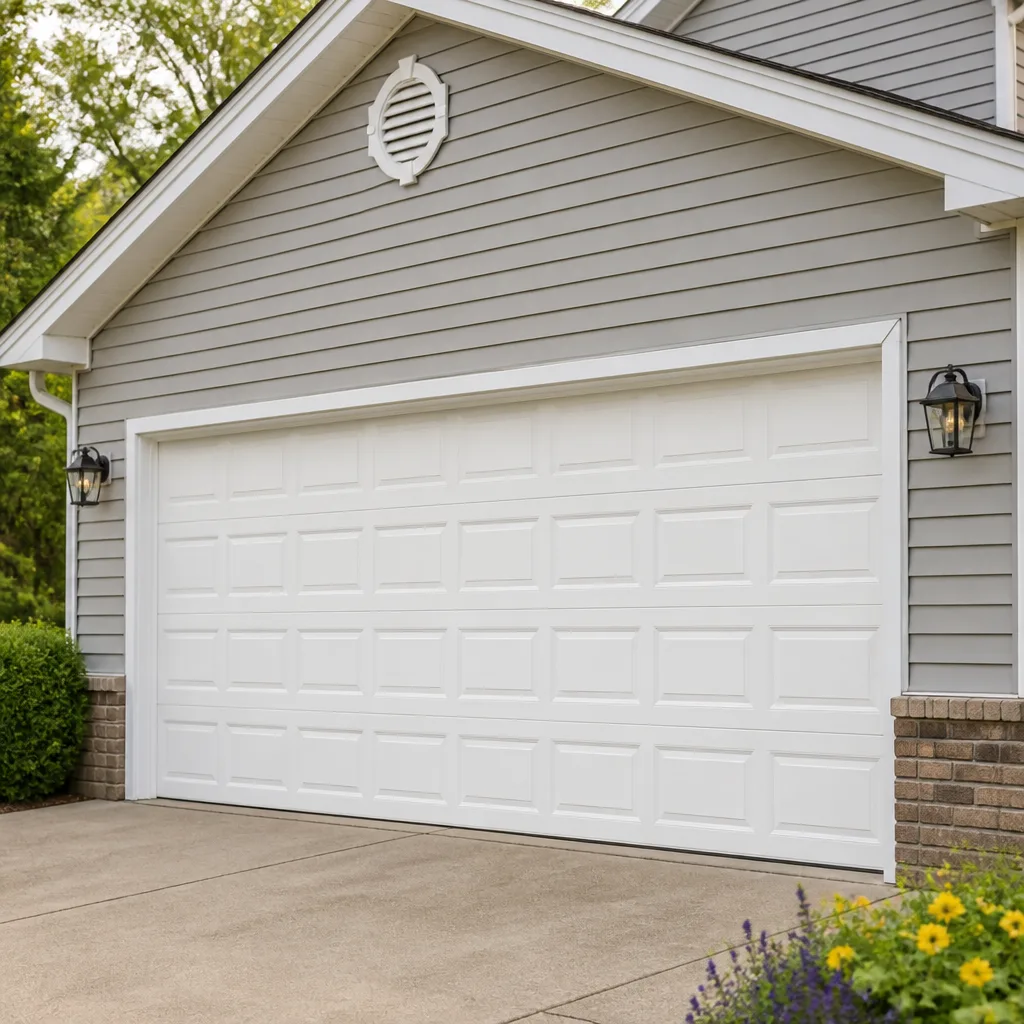 Raised-panel steel
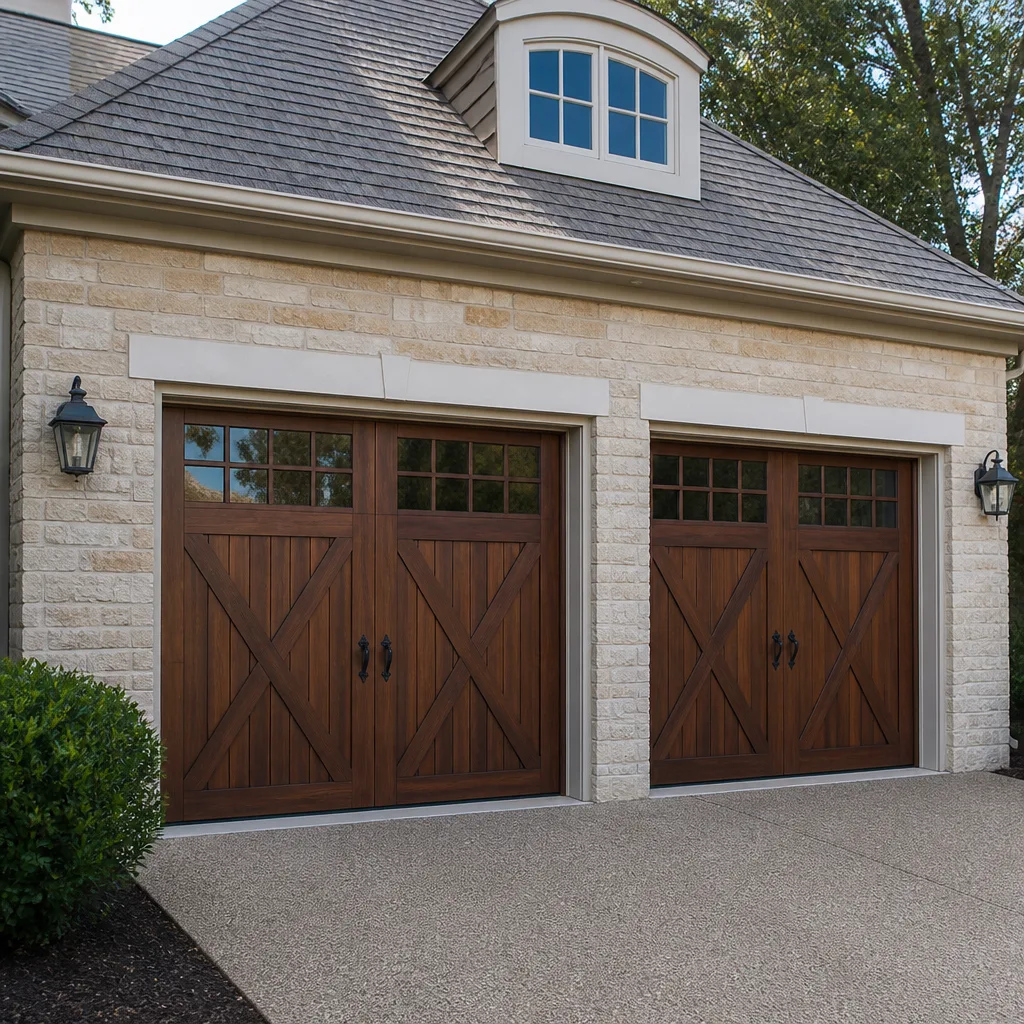 Carriage house
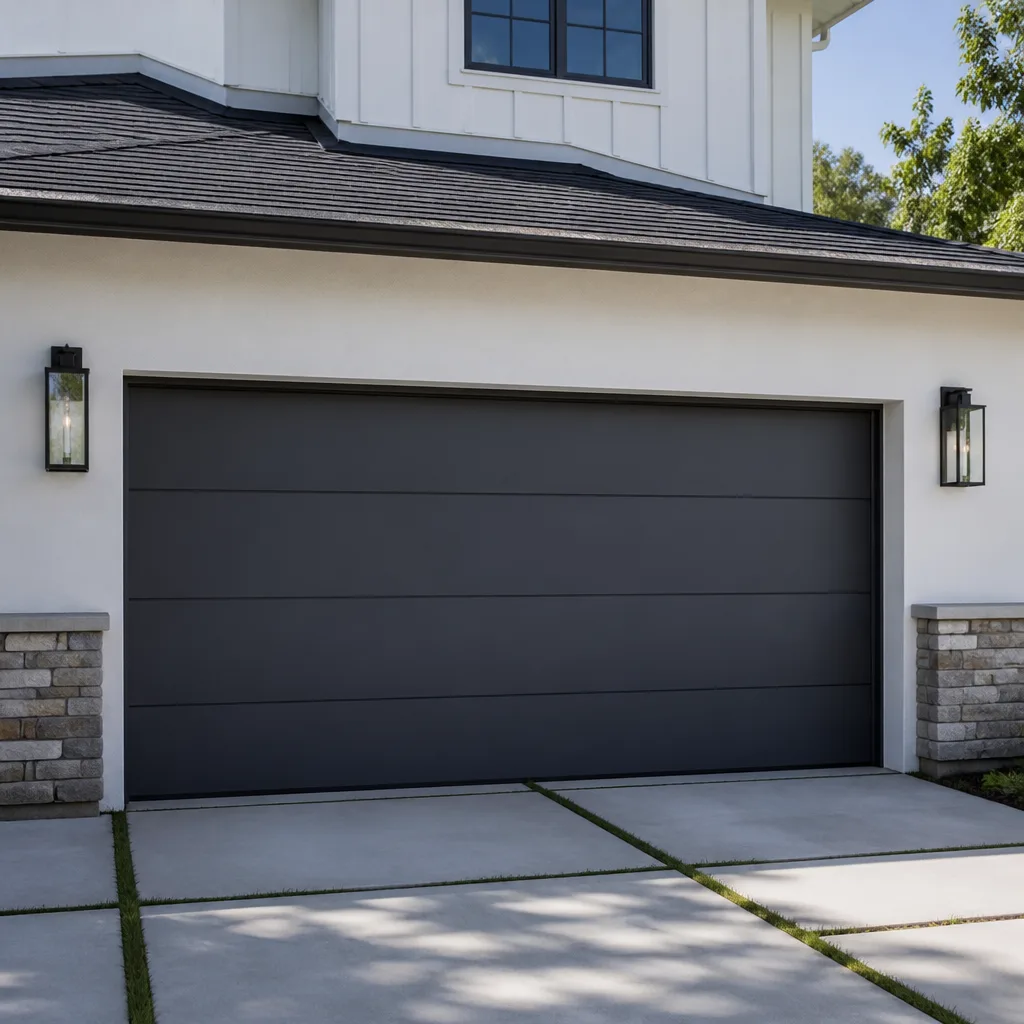 Modern flush
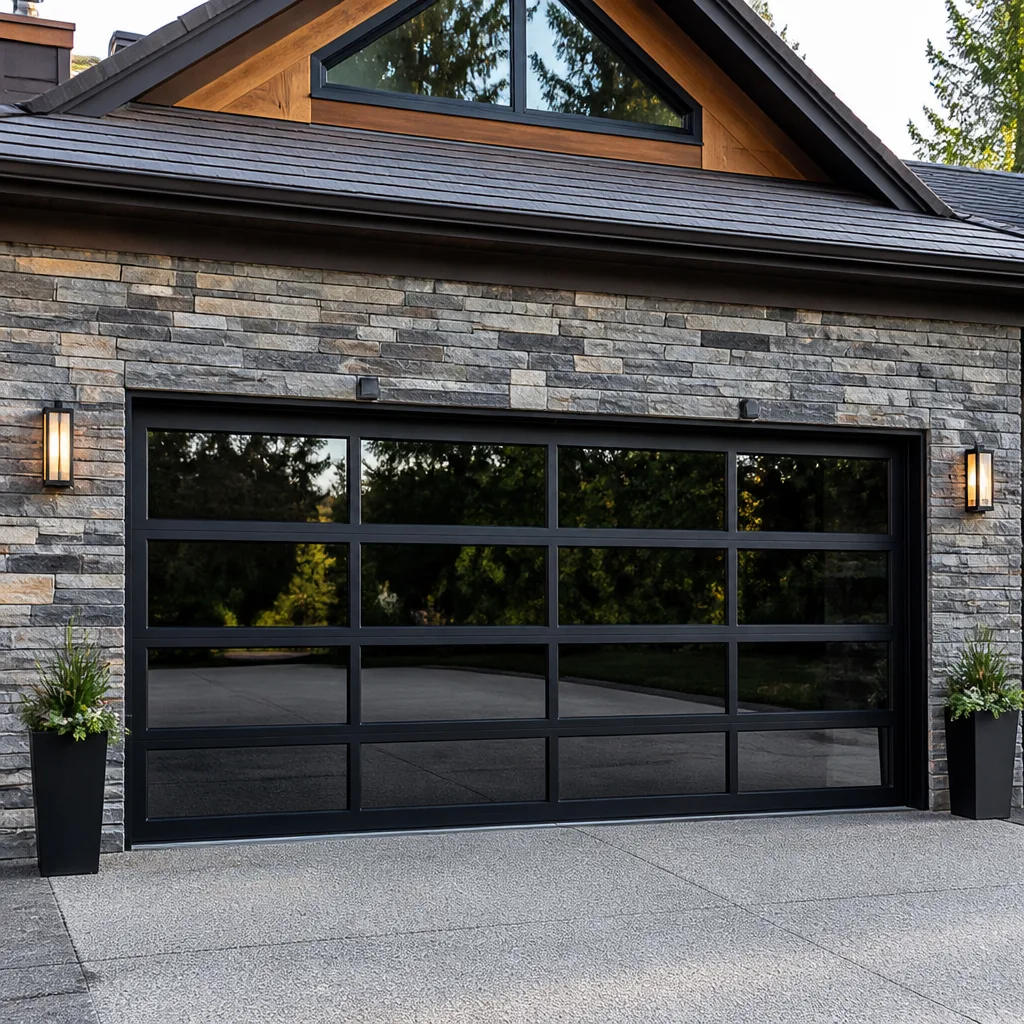 Full-view glass
 LiftMaster openers
 Chamberlain openers
Full 25-point door and opener safety check with every visit - springs, cables, rollers, tracks, and your LiftMaster or Chamberlain opener included
You get a price before we start. It does not change when the truck arrives.
Get your free estimateGarage Door Emergency Preparedness Guide for Sacramento Homes
Most Sacramento homeowners discover their garage door emergency plan doesn’t exist at the exact moment the power fails and the car is still inside. The Sacramento Municipal Utility District reports thousands of outages each storm season, and when one hits your block, a garage door opener without a working manual release becomes a locked vault door between you and where you need to be. This guide walks through the three emergency types that hit Sacramento garages hardest: power loss, earthquake damage, and sudden mechanical failure. For more guides & resources, see our blog. You’ll learn what to do in the first five minutes, how to handle each scenario safely, and which situations demand a professional’s hands instead of yours.
Quick Answer
Sacramento garage door emergencies break into three categories: power outages that trap your car, earthquake damage that throws tracks out of alignment, and mechanical failures like broken springs that take the door out of service entirely. Each requires a different response, starting with testing your manual release cord before trouble hits, knowing your opener’s backup battery options, and understanding which post-quake signs mean stop using the door and call a technician. For a deeper look at common issues, read our Garage Door Repair Troubleshooting: Common Problems and How to Fix Them.
Styles & brands we work with
Table of Contents
- Power Outage Protocol: Getting Your Car Out Safely
- The Manual Release Cord: Why It Fails and How to Operate It Correctly
- Battery Backup Openers: What Works with Your System
- Post-Earthquake Garage Door Inspection for Sacramento Homes
- When the Door Won’t Close at Night: Temporary Security That Actually Works
- The Five Most Common Emergencies: Call Now or Wait?
- Seasonal Preparedness for Sacramento’s Climate
Power Outage Protocol: Getting Your Car Out Safely
When SMUD shuts down power during high fire danger or a winter storm knocks out a substation, your garage door opener’s motor becomes dead weight. Here’s the sequence most Sacramento homes need to follow, in order:
- Don’t panic-pull the red cord yet. If the door is fully closed and you’re inside the garage, locate the emergency release cord first. It hangs from the trolley track, usually with a red plastic handle.
- Confirm the door is in the fully closed position before pulling the release. If the door is partially open when you disconnect it, gravity takes over and the door can slam down hard enough to damage panels or injure someone.
- Pull the cord down and toward the garage door. This disconnects the opener carriage from the door. You’ll hear a click. The door now operates manually.
- Lift the door using the handle or bottom edge. A balanced door should feel heavy but manageable. If it takes two adults straining, the springs are failing and you should stop lifting.
- Once your car is out, close the door manually and slide the lock bar into place if your door has one. Leave the release cord disconnected until power returns.
- When power comes back: run the opener with the door disconnected. The carriage will travel and re-engage the release mechanism automatically on most LiftMaster and Chamberlain openers. If it doesn’t, check the carriage position and reattach manually.
In our experience across Sacramento neighborhoods from Natomas to Elk Grove, the most common power outage mistake is pulling the release with the door raised. We’ve seen doors come down fast enough to crack a concrete step. Never disconnect an open door.
The Manual Release Cord: Why It Fails and How to Operate It Correctly
The red emergency release cord hangs in every garage in Sacramento, and most homeowners have never pulled it. That’s a problem because on doors that haven’t been serviced in years, the mechanism seizes. Here’s what happens: the release lever sits inside the carriage assembly, and without periodic operation, dust and minor corrosion build up. When you finally pull the cord during an outage, the cord tension isn’t enough to break the lever free. You’ll tug harder. The cord itself can snap, or the lever handle can break off in your hand.
Why the release fails on unmaintained doors
We diagnose this regularly in Sacramento garages where the door functions fine day-to-day but has never had the release tested. The failure comes from three places. First, the spring-loaded lever inside the carriage develops resistance from lack of movement. Second, the cord’s attachment point wears through after years of vibration from the opener motor. Third, and most common in Sacramento’s dry climate, fine dust from the valley’s clay soils works its way into the carriage and acts like sandpaper on the pivot point.
How to free a stuck carriage
If you pull the release and nothing happens, don’t yank harder. You’ll break something that’s cheap to fix into something that requires opener replacement. Instead:
- Push the door slightly to take load off the carriage. Sometimes the carriage pin is under tension from the door weight and won’t release until that tension shifts.
- Pull the cord straight down, then let it snap back gently several times. This works the lever through its range.
- Try pulling at a slight angle toward the garage door, not straight down, if the lever needs a different pivot direction.
- If none of this works, the carriage needs to be removed and cleaned or the release assembly replaced. This is a repair we handle same-day in Sacramento, and it’s a five-minute fix with the right parts on hand.
Test your release cord twice a year. Put it on your calendar alongside smoke detector batteries, and follow our Garage Door Repair Maintenance Checklist for Sacramento Homeowners. The day the power goes out is not the day to discover the lever is frozen.
Battery Backup Openers: What Works with Your System
Sacramento’s power reliability varies by neighborhood. Some areas see multiple outages a year. Others almost never lose power. If you’ve ever been late to work because your garage door opener sat silent after a storm rolled through, a battery backup system solves that problem in a very specific way.
How battery backup works
A backup battery connects to the opener motor unit and provides power when the main line goes dead. When operating on battery, the opener runs slower, and most systems are designed for limited use: enough cycles to open and close the door a handful of times before the battery needs recharging. They’re not meant to run your garage door at full performance for 12 hours.
Brand compatibility matters more than most homeowners realize
This is where we see Sacramento homeowners make expensive assumptions. A Genie backup battery will not work with a Chamberlain opener. A LiftMaster battery pays no attention to a Clopay door’s brand because backup systems pair with the opener, not the door. If you add a backup system, confirm it’s matched to your opener’s make and model.
The homeowners who call us about backup batteries fall into two groups. The first group bought a universal backup kit online, realized the connectors don’t fit, and now has a paperweight on the workbench. The second group has a LiftMaster opener with a built-in backup battery slot and didn’t know the battery was replaceable when it stopped holding a charge.
What to check before buying
- Does your opener have a battery slot built in? Many LiftMaster and Chamberlain models from the last decade have internal backup batteries. If the opener runs on battery but the battery no longer holds charge, you just need a replacement unit, not a whole new opener system.
- Is your opener too old? Openers from the 1990s and early 2000s don’t have backup battery ports. You’ll need an external battery backup system that mounts next to the opener, and those are brand-specific.
- How many cycles do you actually need? If you just need the door open once to get the car out and close it again, a basic battery is enough. If you want to run multiple cars out and back in during a prolonged outage, you’ll want a higher-capacity unit.
We work on openers from eight major brands daily in Sacramento, including LiftMaster, Chamberlain, Genie, and Clopay doors paired with LiftMaster openers. Backup compatibility is one of the first things we check when a homeowner says their door worked fine until the power went out.
Post-Earthquake Garage Door Inspection for Sacramento Homes
Sacramento sits close enough to the Bay Area’s fault systems that even a 4.5 magnitude quake near Napa or a shaker off the Greenville Fault can jolt homes across the valley. After any tremor you can feel in Sacramento, your garage door deserves ten minutes of attention. The door is the largest moving structure on your home, and earthquakes are very good at moving things that aren’t supposed to move.
Check these components in this order
- Door balance. With the opener disconnected, lift the door halfway by hand. It should stay put. If it falls or rises on its own, the springs changed tension during the shake. Don’t use the door until a technician re-tensions or replaces them.
- Track alignment. Look at both vertical tracks and the horizontal curve where the door turns into the ceiling. Any visible gap between the track and wall, twist in the track, or fresh screw pull-out means the door will bind or come off the track.
- Roller position. Each roller should sit fully inside the track channel. If any roller has climbed onto the track edge, the door is moments from jumping the track when next cycled.
- Opener drive chain or belt tension. A quake can jar the opener motor on its ceiling mounts. If the chain or belt droops noticeably more than before, or the motor housing hangs at a slight angle, the drive needs re-tensioning or remounting.
- Panel alignment. With the door closed, look at the panel joints from the inside and outside. A Sacramento home built before stricter seismic codes may flex enough that panels shift, leaving a visible step at the seams. This causes air gaps and makes the door catch on the weather seal.
- Ground-level contact. The bottom of the door should meet the concrete evenly. If one side sits slightly higher after a quake, the foundation may have shifted, or the door jamb moved. Check this with the door closed and a flashlight.
We’ve responded to Sacramento garages after earthquakes as minor as magnitude 3.8 where the only damage was one roller out of position. The homeowner had no idea until the door bound halfway up two days later. Ten minutes of checking after a tremor costs nothing and catches most problems before they take the door offline.
When the Door Won’t Close at Night: Temporary Security That Actually Works
A garage door that refuses to close at 9:00 PM in Sacramento creates a specific dilemma: you need security overnight, and no repair company is sending someone out for a non-emergency door that won’t lower. Most online advice tells you to “secure the door with a clamp” and leaves it there. Here’s what actually works, ordered from fastest to most substantial.
Step 1: Kill the opener power
Unplug the opener motor or flip the breaker. If the door is trying to close but the sensors are blocked by something, leaving the opener connected means anyone can push the remote and open the stuck door from outside. Pull the emergency release cord to fully disconnect the opener from the door while you work.
Step 2: Check the sensor path and door path
Nine times out of ten, a door that reverses immediately when closing has an obstruction in the photo eye beam or something blocking the seal line. In Sacramento winters, leaf litter and wet pine needles collect on the floor at exactly sensor height. Clear the path, wipe both sensor lenses with a cloth, and try again before assuming the door is broken.
Step 3: C-clamp the track
If the door still won’t close, use a C-clamp on the vertical track just above a roller, on each side. This physically prevents the door from being lifted. It’s not elegant, but it’s effective. Place the clamp tight against the track with the pad against the rail, not over the roller stem.
Step 4: Slide bolt or padlock if you have the hardware
Many Sacramento homes have doors with a slide bolt on the interior track. Engage it. If your door lacks one and you want a permanent solution for future nights, a slide bolt kit costs under $20 at any hardware store and can be installed in twenty minutes.
Step 5: Accept the garage delivery door as the weak point
If your door won’t close all the way but does close most of the distance, the gap left between the bottom seal and ground is enough to slip a hand in but not a body. For a single night, focus on securing your interior access door and removing valuables from visible reach, rather than worrying about someone sliding under a six-inch gap.
Call in the morning. Our Garage Door Repair in Sacramento team handles misaligned sensors, broken springs, and everything in between.
The Five Most Common Emergencies: Call Now or Wait?
Not every garage door problem in Sacramento is an emergency, but five situations account for nearly all the urgent calls we take. Here’s the decision tree for each one.
1. Broken spring
Call now. A spring breaks with a sound like a gunshot, and then the door is dead weight. Unless you have another working door, your car may be trapped. This is dangerous work. Springs under tension hold hundreds of pounds of force, and a broken spring’s remaining coils can release unpredictably if moved. Never attempt to pry or lift the door with broken springs. Wait for a technician. Most Sacramento repair companies, including Lionheart Garage Door Repair home, stock common spring sizes and repair same-day.
2. Door off track
Call now if the door is stuck partially open. An off-track door usually means the rollers left the channel and the door is wedged. Trying to force it closed by hand can collapse the panels. If the door is stuck open and you can’t secure the garage, call for emergency service. If the door moves manually, don’t use the opener and call during business hours.
3. Opener runs but door doesn’t move
Wait if you can live one night without the opener. This usually means the carriage disconnected from the door or the drive coupler failed. If the door itself moves fine by hand, secure it, and schedule a repair for the next available slot. Your Garage Door Opener Repair in Sacramento appointment addresses the opener, which is usually a straightforward fix.
4. Door won’t close fully, reversing back up
Wait if you can secure the garage another way. This is almost always a blocked sensor, misaligned safety beam, or a track obstruction. Clear the path, check sensors, and try again. If it still reverses, secure the door with a clamp and call during business hours.
5. Door closes but bounces back open immediately
Wait if the door stays physically closed. This points to limit settings on the opener or a tension issue in the springs. The door isn’t a security risk if it sits closed, even if the opener thinks otherwise. Schedule a tune-up. If the door visibly lifts after closing, call sooner: that suggests a spring tension problem that worsens with every cycle.
Seasonal Preparedness for Sacramento’s Climate
Sacramento’s climate works on garage doors in two distinct ways. Summer brings triple-digit heat to the valley that dries out and degrades rubber seals, makes metal components expand, and shortens the life of opener electronics. Winter brings the rainy season, which means swollen wood frames in older homes, increased humidity, and debris from Sacramento’s urban trees blowing into sensor paths.
Summer prep checklist
- Lubricate the torsion spring and rollers with a silicone-based lubricant in May, before the heat peaks. Sacramento’s dry air means lubrication evaporates faster than in coastal climates.
- Check the bottom seal for cracks every June. Once the seal shrinks and cracks from heat exposure, it stops sealing out Sacramento’s summer dust and winter rain.
- Keep the opener’s remote in a shaded spot inside the garage. Direct sunlight through a south-facing window can overheat wall-mounted controls and shorten battery life in remotes.
- Test the auto-reverse safety function once per summer. Place a 2×4 on the floor where the door closes and run the opener. The door should reverse on contact.
Winter prep checklist
- Clear debris from the photo eye path after any significant wind. Sacramento’s autumn leaf drop clogs sensors and causes phantom reversals.
- Inspect weatherstripping and side seals before the rainy season. Gaps let water in during December storms and raise the humidity inside your garage enough to rust hinges and track hardware.
- Check the door balance on a cool morning. Temperature swings between Sacramento’s frosty winter nights and mild afternoons cause metal contraction that exposes weak springs.
- Run a full cycle once weekly if the door is used less during winter months. Garage doors that sit still for weeks develop flat spots in rollers and seize in the carriage.
If your door needs real work, new springs, new rollers, or a full replacement, Garage Door Installation in Sacramento covers the full spectrum of what we do, from panels to complete systems.
Common Mistakes to Avoid
- Pulling the emergency release with the door open. Gravity takes over and the door slams. We’ve seen cracked panels, broken glass, and at least one close call with a child’s bicycle left under the door.
- Using the door normally with a broken spring. A door with one broken spring still opens when two springs share the load, for a while. Each cycle overworks the remaining spring and strains the opener motor until the second spring fails, often catastrophically and with the door halfway up.
- Lubricating the wrong parts. Sacramento homeowners love to spray WD-40 on everything. WD-40 is a penetrant, not a lubricant. It strips the grease from rollers and leaves them dry within days. Use only silicone-based lubricant on rollers, hinges, and the spring.
- Attempting to fix an off-track door by bending the track back. This never works. The track either needs replacement or the panel needs alignment work. Bent tracks bend further, and the door jams harder.
- Ignoring the auto-reverse function. The safety reversal is a federal mandate because garage doors crush and kill. If your door doesn’t reverse when it meets resistance, the opener is unsafe to use, full stop. Fix that before anything else.
- Leaving the opener plugged in after disconnecting the door. Anyone with a remote can open the door. Unplug the opener or flip the breaker when the door is disconnected for more than a few minutes.
- Waiting to test the backup battery until the power is out. Backup batteries lose capacity over time, and you won’t know yours is dead until the moment you need it. Test it once per season.
See the difference
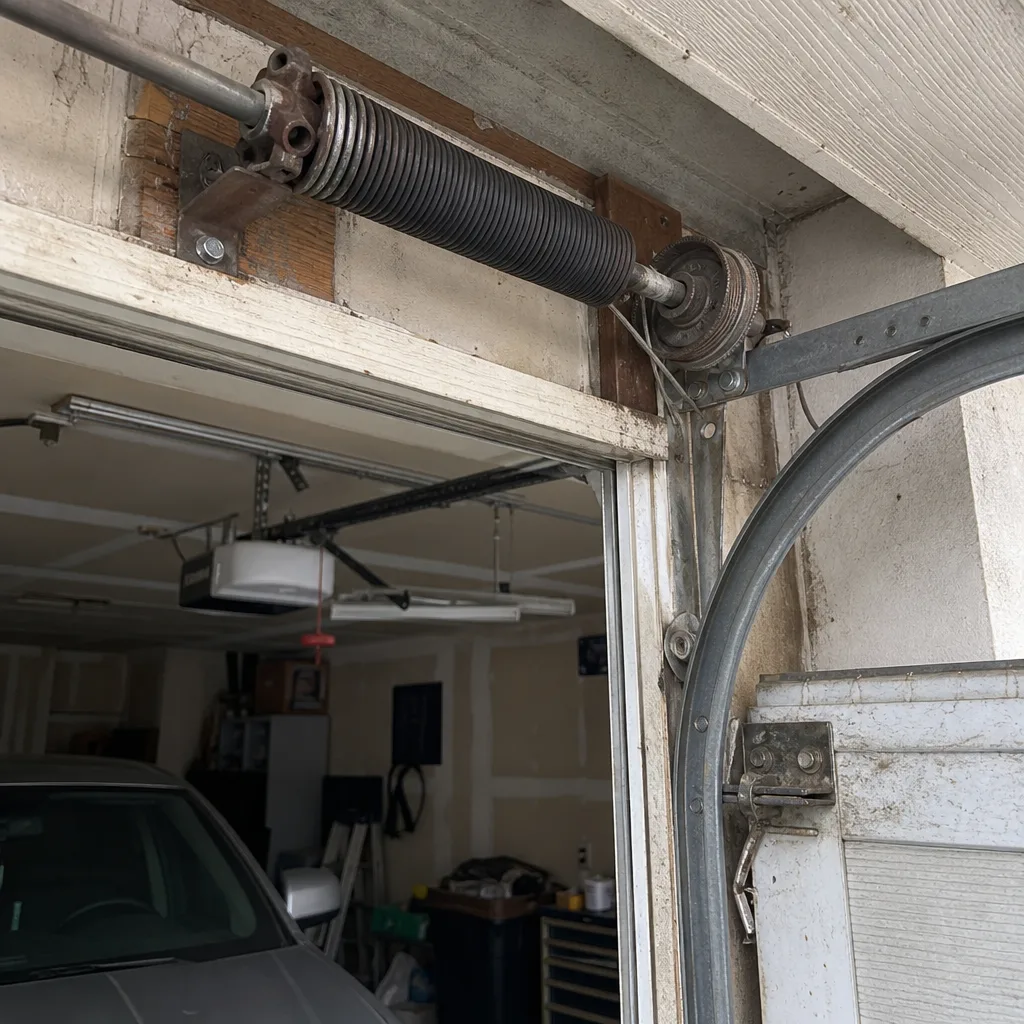 Before
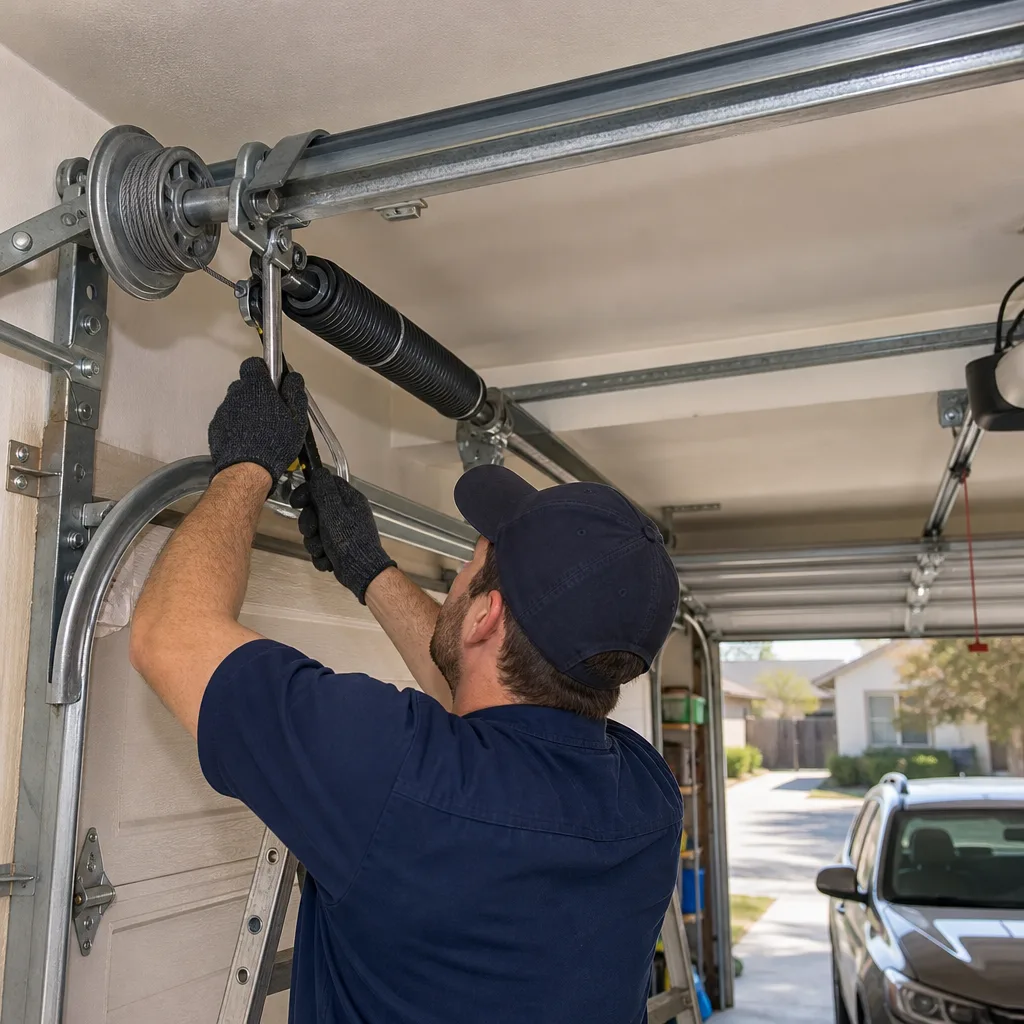 After
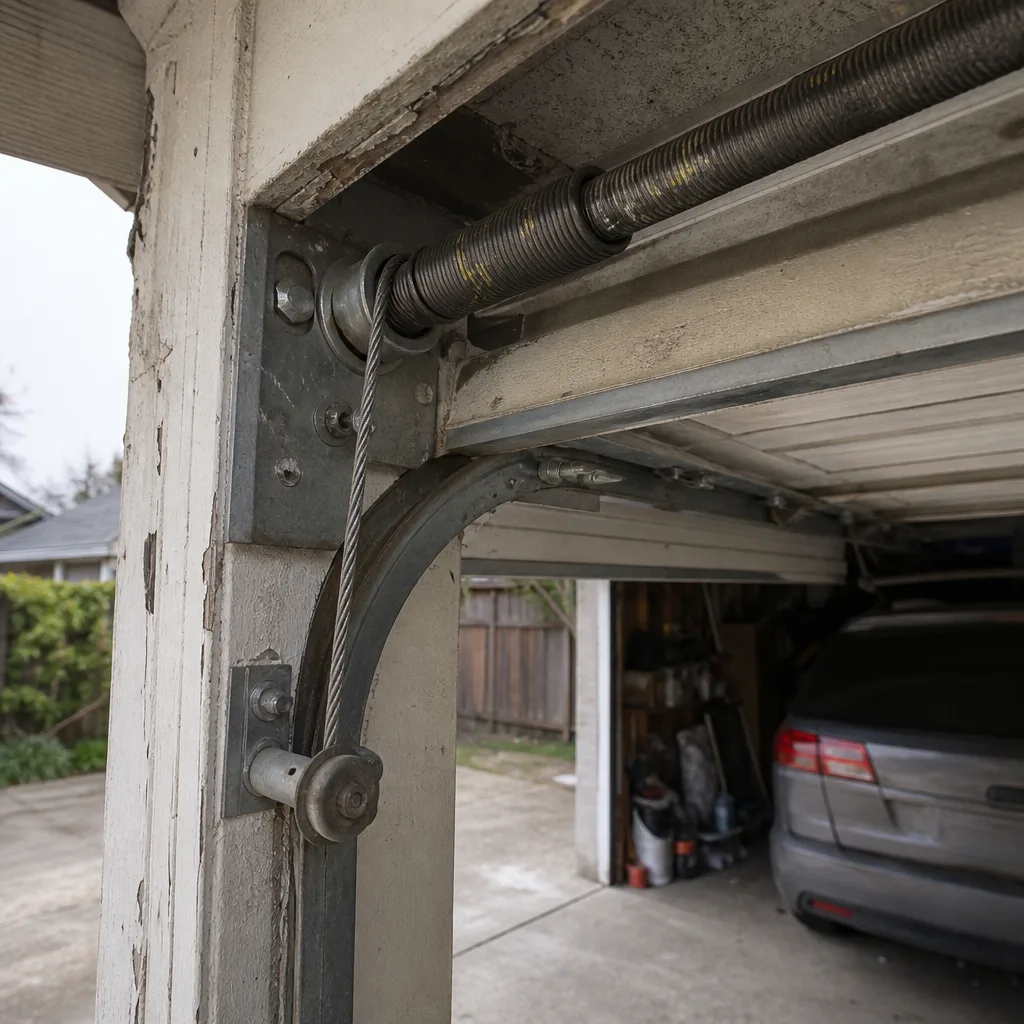 Before
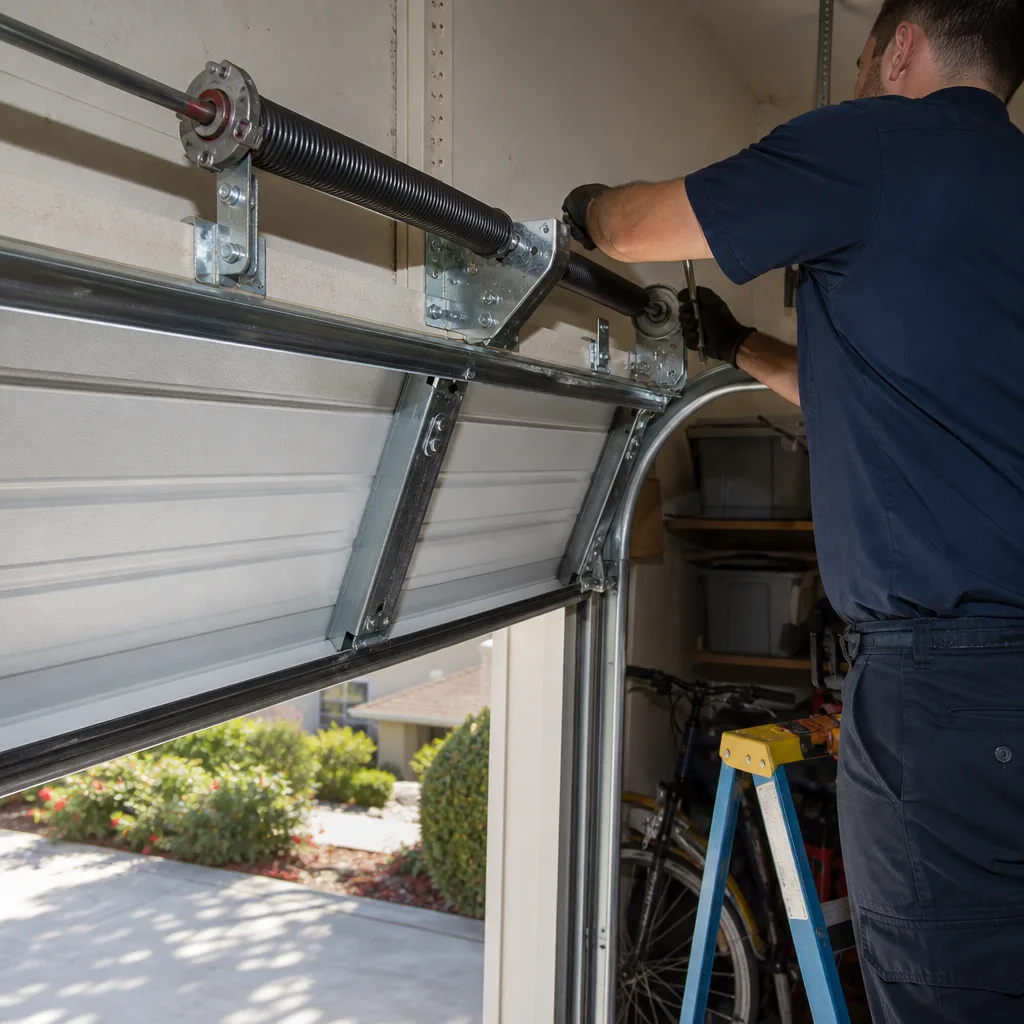 After
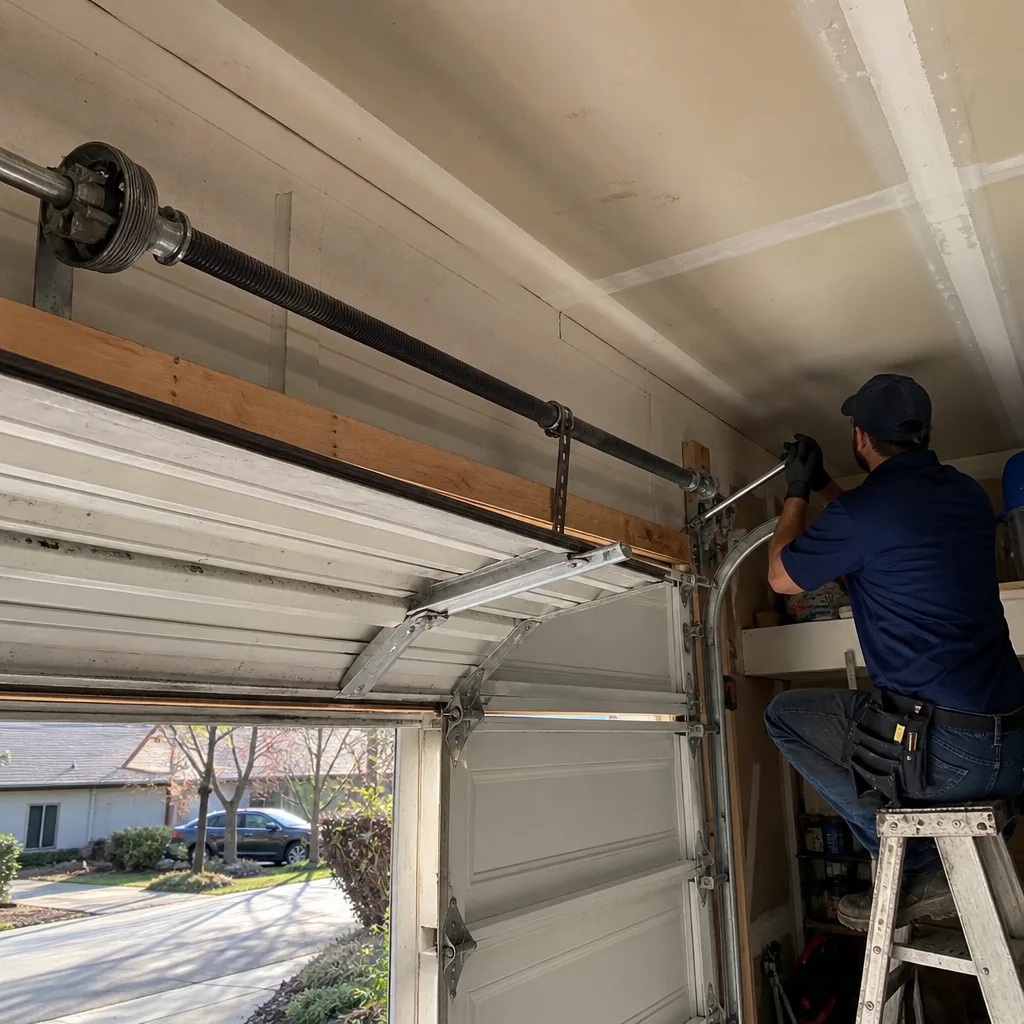 Before
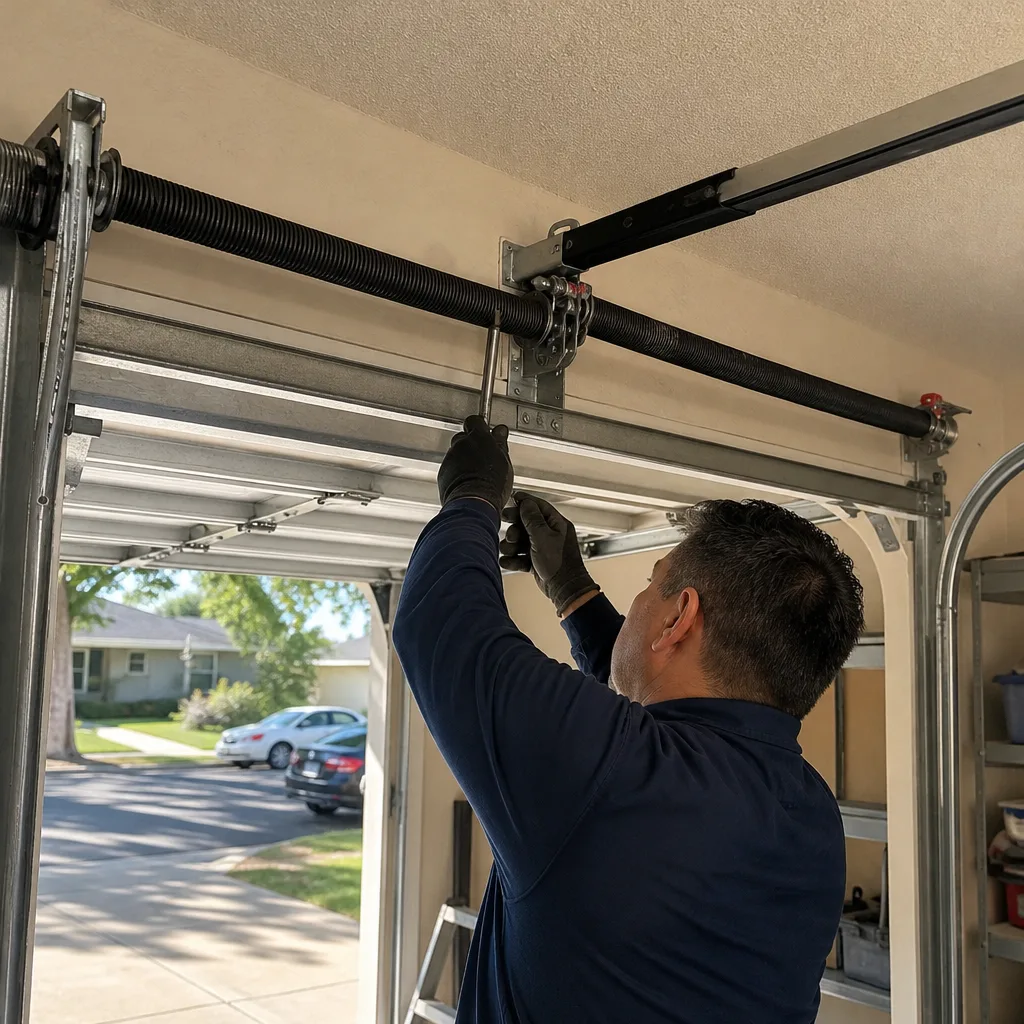 After
When to Call a Professional
Some situations are unambiguous. Call a technician if you’ve broken a spring, if the door has come off track, if the opener sparks or smokes, if the door closes unevenly and leaves a gap at one corner, or if the auto-reverse safety feature fails. All of these involve potentially serious injury or property damage if ignored. Sacramento’s older homes also have the habit of racks built onto old wooden framing that shifts with valley soil conditions; if you see fresh drywall cracks around your track mounts, the door’s load path has changed and needs a professional assessment. For permit and code questions, see Garage Door Permits, Codes & Inspections in CA: What You Need to Know.
Lionheart Garage Door Repair offers free estimates in Sacramento. Call (855) 758-6556 and a technician will diagnose the issue and give you a firm number before any work begins.
Frequently Asked Questions
Pull the red emergency release cord hanging from the opener track while the door is fully closed, then lift the door by hand using the bottom handle. If the cord doesn’t release, don’t force it: the release mechanism is stuck and needs service before you’ll be able to use the manual function.
Emergency garage door service in Sacramento varies by the actual problem. Broken spring replacement, the most common emergency call, runs in the range of $200 to $400 depending on spring size and door weight. Off-track repair, sensor replacement, and opener fixes all have their own pricing. The key is getting a firm quote before work starts. Call (855) 758-6556 for an exact quote on your specific issue. Estimates are free.
Most definitely. We run same-day service throughout Sacramento for spring failures, doors off track, stuck doors, and other urgencies. Call (855) 758-6556 right away and tell us what’s happening. We’ll tell you if it’s safe to leave the door as is or if it needs immediate attention, and schedule you for the first available slot.
It depends on the opener’s brand and model. Many LiftMaster and Chamberlain openers from the last ten years have built-in battery backup capability. Older openers or other brands may need a compatible external battery unit. If you tell us your opener’s model number, we can tell you over the phone whether a backup battery is a realistic option for your system.
First, disconnect the opener and test the door by hand. If it moves smoothly, check the track alignment and roller position for anything visibly out of place. If the door feels heavy, binds, or sits unevenly, the earthquake likely shifted the spring tension or track alignment. Don’t use the door. Call for a professional inspection, and we’ll identify what moved and correct it.
It’s safe if you take basic precautions. When the door is disconnected from the opener, it can be lifted by hand. That means it’s only as secure as what you put in place to hold it closed. Use a C-clamp on each track above a roller or a slide bolt through the track, and unplug the opener itself. A disconnected but clamped door is just as secure as a connected one.
The Bottom Line
Sacramento garage door emergencies come in three forms: power loss, earthquake damage, and mechanical failure. Each has a specific set of safe responses, and all of them are easier to manage if you’ve prepared before the moment arrives. Test your manual release cord twice a year. Know whether your opener can accept a backup battery. Inspect your door after any felt earthquake. If you’re facing a broken spring or a door off its track, don’t attempt that repair yourself. Sacramento’s biggest garage door problems share one common denominator: they’re cheaper and faster to fix in the first hour than in the second day. Call (855) 758-6556 for a free estimate, and we’ll show up ready to diagnose and fix what’s actually wrong.
Written by the team at Lionheart Garage Door Repair, serving Sacramento since 2017.