
Last updated October 31, 2026
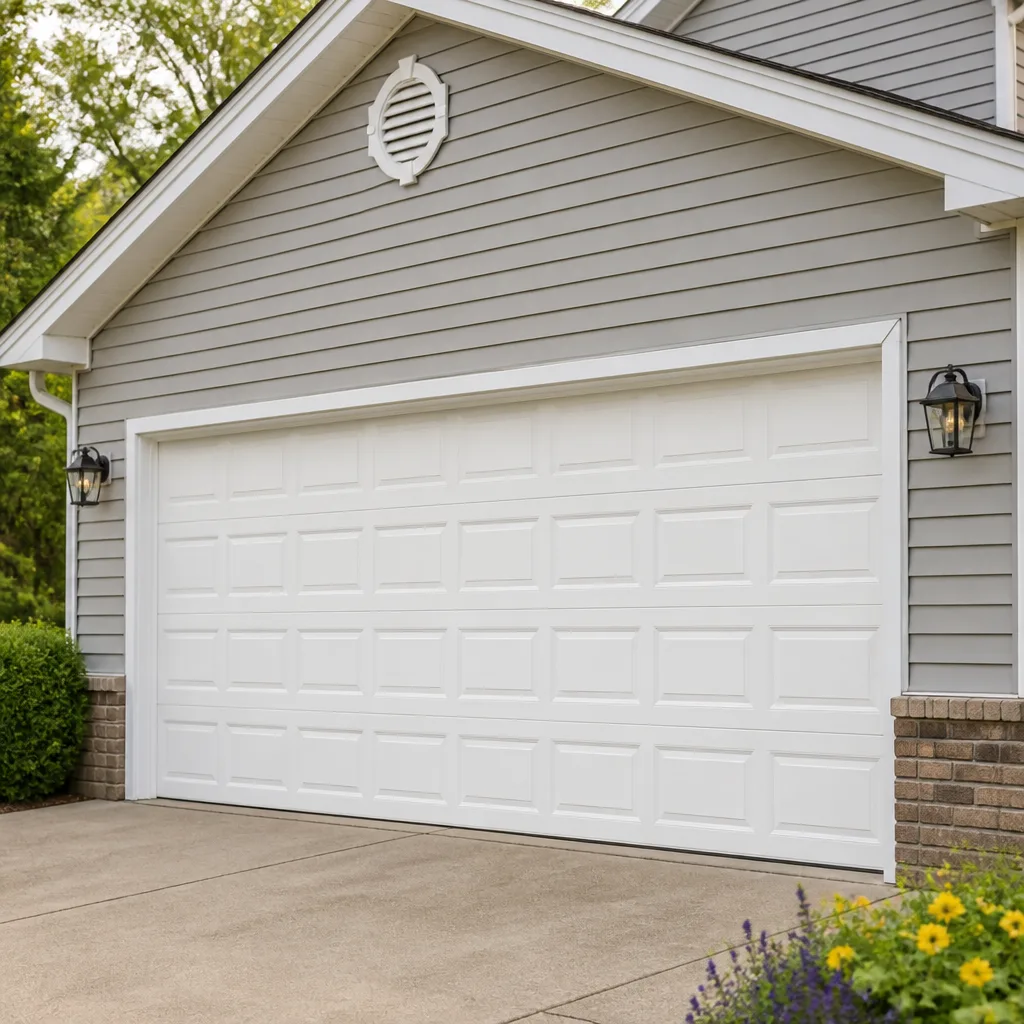 Raised-panel steel
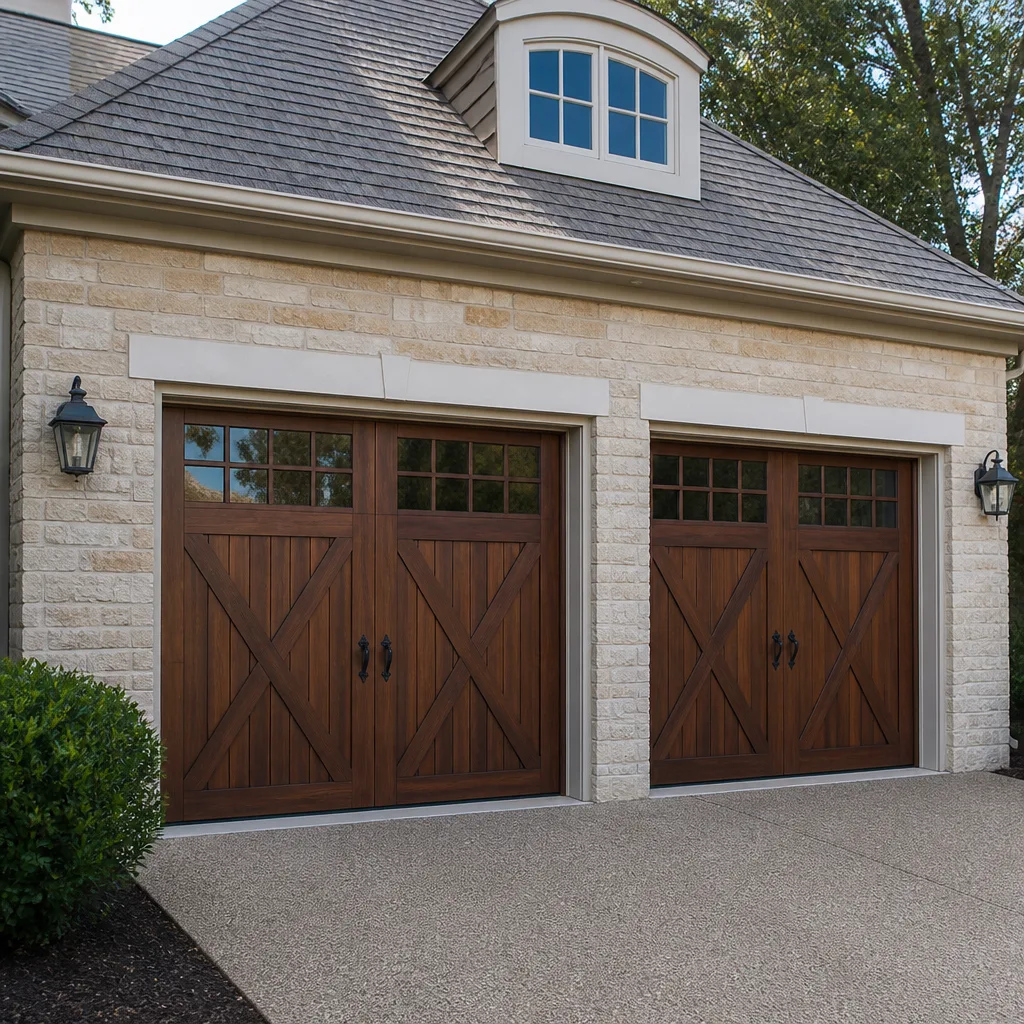 Carriage house
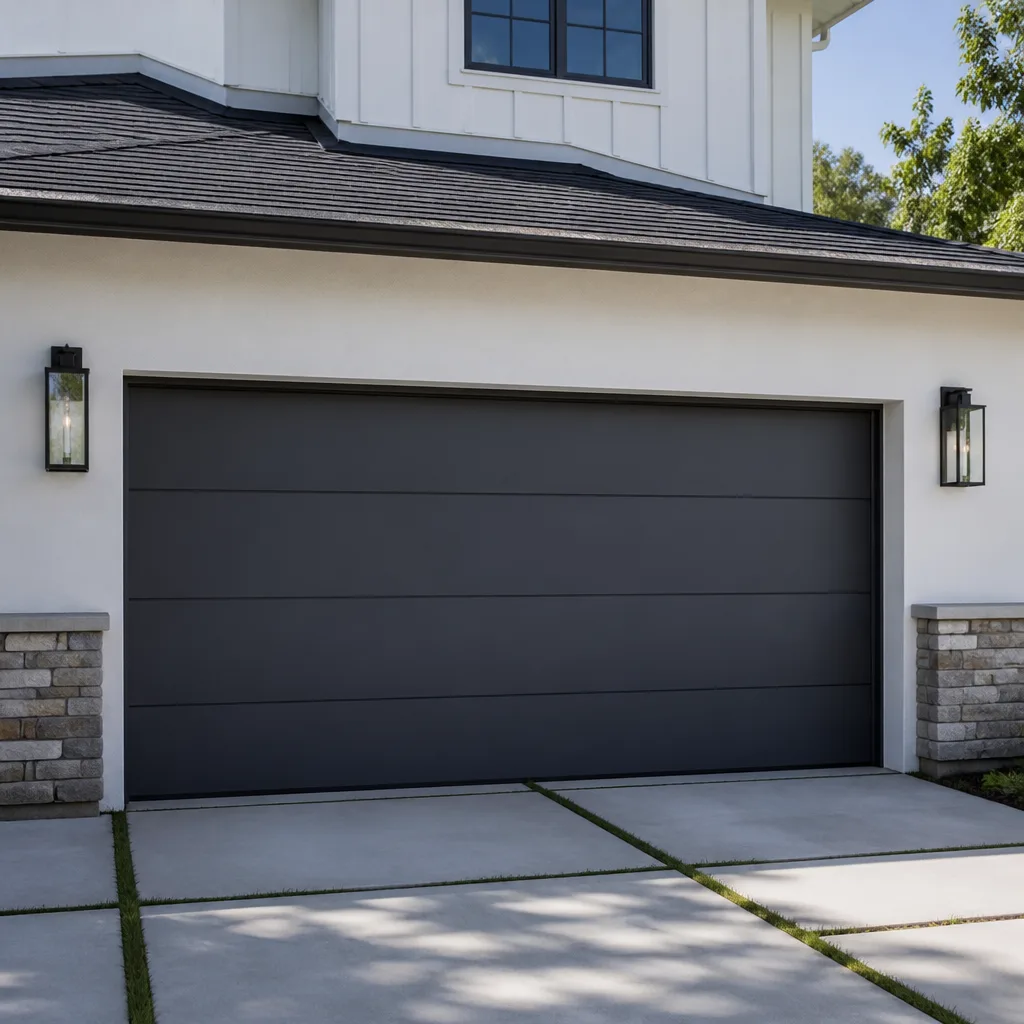 Modern flush
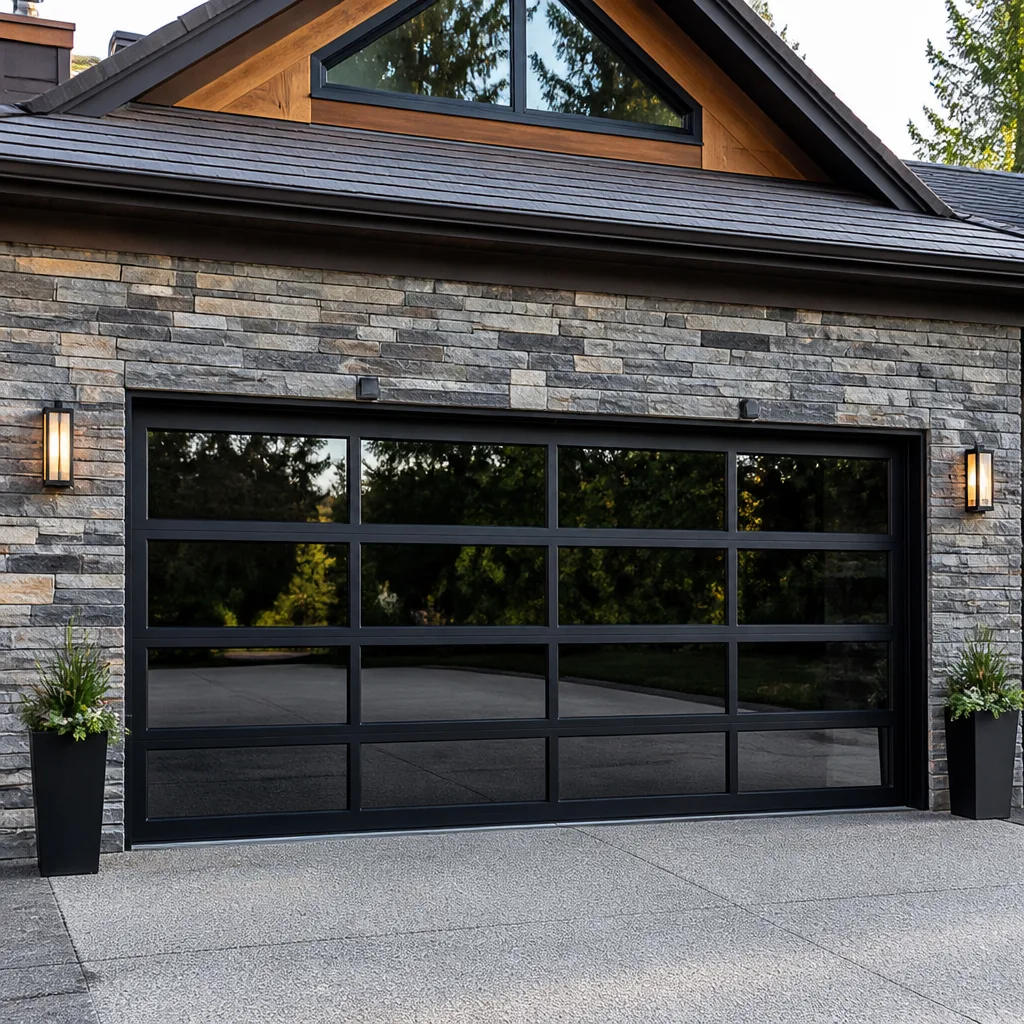 Full-view glass
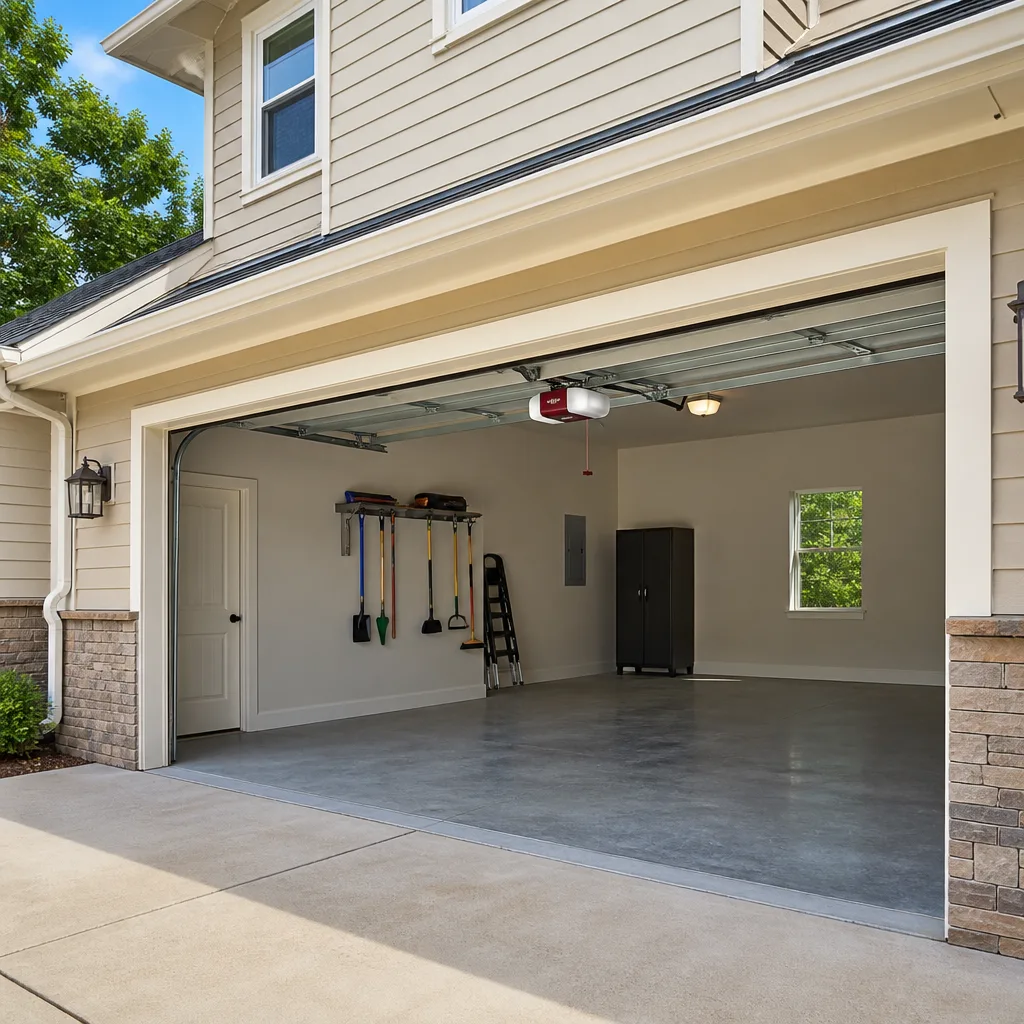 LiftMaster openers
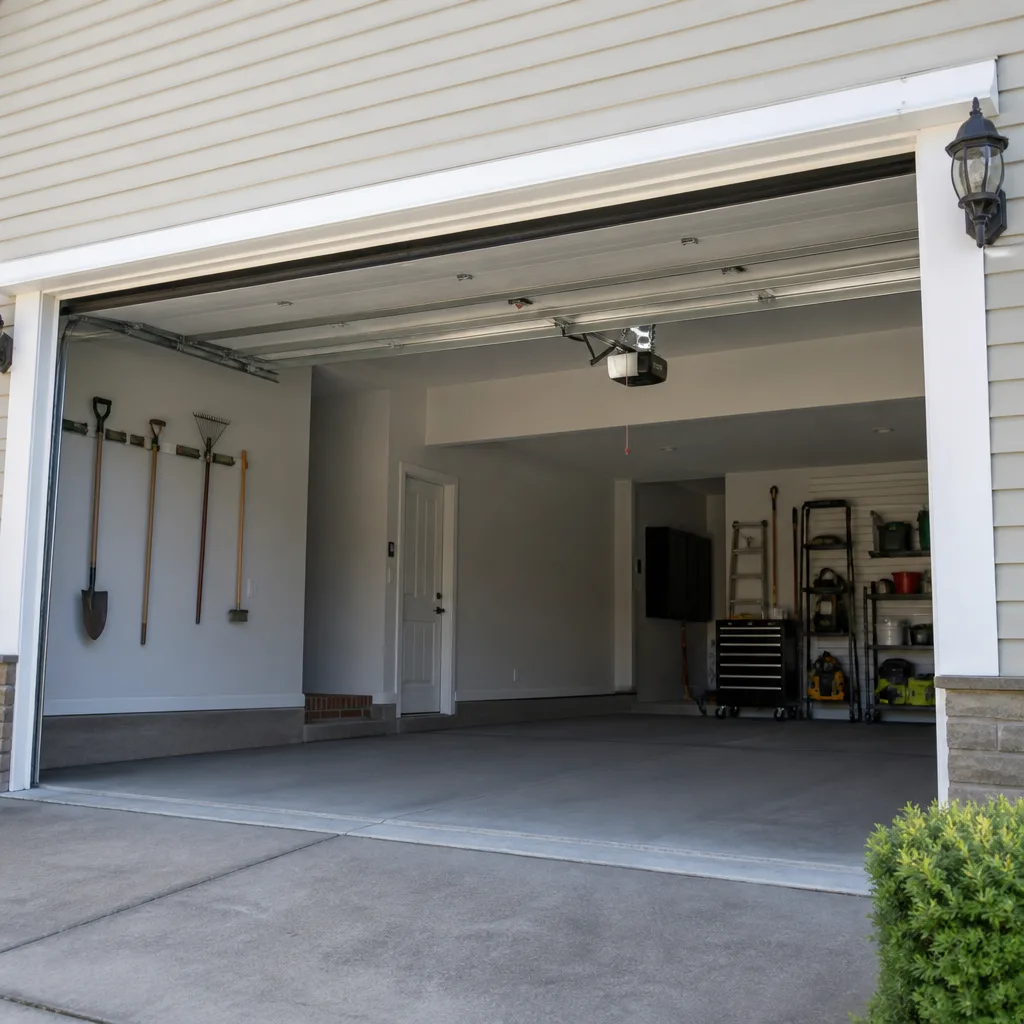 Chamberlain openers
Full 25-point door and opener safety check with every visit - springs, cables, rollers, tracks, and your LiftMaster or Chamberlain opener included
You get a price before we start. It does not change when the truck arrives.
Get your free estimateGarage Door Permits, Codes & Inspections in CA: What You Need to Know
The typical Sacramento homeowner gives garage door permits roughly the same attention as their water heater’s anode rod, which is to say none at all, until something goes wrong. Here’s the counterintuitive part: in California, repairs to an existing door almost never require a permit, but the moment you replace the entire door assembly or run new wiring for an opener, you’ve crossed into territory the state and your insurer both care about. This guide walks through the exact thresholds, the Title 24 energy requirements most contractors skip mentioning, and what an inspector actually looks at when they show up in Sacramento County. For more on keeping your door in good shape year-round, see our Garage Door Repair Maintenance Checklist for Sacramento Homeowners.
Styles & brands we work with
Quick Answer
Most garage door repairs in California don’t require a permit, but full door replacements and new motor-driven installations often do, depending on your local jurisdiction. Sacramento County generally requires a building permit for complete garage door replacements when structural changes are involved, while simple panel or spring swaps stay permit-free. Beyond permits, every new garage door in California must meet Title 24 energy standards, and every opener installed after 1993 must comply with UL 325 safety entrapment rules.
Table of Contents
- When California Requires a Permit for Garage Door Work
- Title 24 Energy Code: What It Means for Your Garage Door
- UL 325 Safety Standards and California Compliance
- The Inspection Process: What Sacramento Inspectors Actually Check
- Unpermitted Work and the Real Estate Problem
- Step-by-Step: How to Handle a Permitted Garage Door Project
- Common Mistakes to Avoid
- When to Call a Professional
- Frequently Asked Questions
- The Bottom Line
When California Requires a Permit for Garage Door Work
California building code doesn’t have a single statewide rule for garage door permits. Authority sits with each city and county, which means what flies in Roseville might not fly in the City of Sacramento, and what Sacramento County allows might differ from both. That said, the underlying California Residential Code (CRC) provides the framework most local jurisdictions adopt with modest tweaks.
Repairs vs. Replacements: The Line That Matters
Here’s the threshold most homeowners need to understand:
- Panel replacement: No permit. Swapping a bent or damaged panel on an existing track system is considered maintenance, not construction.
- Spring replacement: No permit. Torsion and extension spring swaps fall under repair regardless of whether you do it yourself or hire someone.
- Opener replacement (like-for-like): Typically no permit when you’re replacing an existing opener without modifying wiring. Plug-in units on existing circuits rarely trigger a requirement.
- Full door replacement (same size, same opening): This is gray territory. Many Sacramento-area jurisdictions don’t require a permit for a same-size retrofit. But some do, especially if the new door is heavier, which changes load on the header.
- New door in a new opening, or enlarging an existing opening: Permit required, no ambiguity. You’re altering the structure.
- New wiring or circuit for an opener: Electrical permit required. California treats this as electrical work, not garage door work.
In our experience working on doors across Sacramento, the most common permit misunderstanding involves full door replacements on older homes. A homeowner in Land Park replaces a 1970s wood door with a modern steel insulated unit, never pulls a permit, and discovers three years later during a home sale that the title report flags the work. The fix is usually straightforward, but it’s never free once a transaction is involved.
For a deeper look at how full replacements are handled in your area, see our guide on Garage Door Installation in Sacramento.
What the California Residential Code Actually Says
Section R301 of the CRC governs structural loads, and garage doors fall under its scope because a door imposes wind and weight loads on the opening. The code requires that garage door openings in residential structures be designed to resist the same wind pressures as the wall in which they sit. Practically, this means a newer, heavier door might exceed what the original header was sized for, and an inspector will want to verify the load path before signing off.
Sacramento sits in Wind Exposure Category B for most residential areas, which is the least demanding category. That’s good news for homeowners: the wind load requirements here are modest compared to coastal or foothill communities. But gravity loads don’t care about wind maps, and a 400-pound steel door on a header sized for a 150-pound wood door can be a genuine problem.
Title 24 Energy Code: What It Means for Your Garage Door
California’s Title 24 energy standards apply to garage doors in a way most homeowners never hear about. The rule is specific: if your garage is a conditioned space, meaning it’s heated or cooled, the door separating it from the outdoors must meet minimum insulation values. In most Sacramento homes the garage is unconditioned, which exempts the door from the insulation requirement. But the moment a homeowner adds a mini-split for a workshop, or converts part of the garage to a home office, that door becomes part of the building envelope and Title 24 applies.
R-Value Minimums for Conditioned Garages
For conditioned garage spaces in Climate Zone 12 (which covers Sacramento), a residential garage door that’s part of the thermal envelope must meet these minimums:
- Minimum R-value for the door: R-4 for most residential applications, though many inspectors and energy consultants recommend R-8 or higher for real comfort.
- Glazing (windows in the door): Must meet fenestration requirements if the door has windows. Most residential garage doors with glass use non-rated glazing, which essentially forces you to avoid windows in a conditioned-space door or upgrade to low-e.
- Air leakage: The door must have weatherstripping that limits air infiltration. This is less about a specific number and more about a visible, functional seal.
In practice, a steel door with a polyurethane core rated R-6.5 to R-9 will satisfy Title 24 in Sacramento for nearly any conditioned-garage scenario. A single-layer steel door with no insulation, which is perfectly legal for an unconditioned garage, won’t pass if the garage is conditioned. Brands like Clopay and Amarr both manufacture doors with polyurethane cores that clear the threshold without special ordering.
Here’s what trips up Sacramento homeowners: they build the man-cave, install the mini-split, and no one tells them the garage door now has a legal energy requirement. If that door ever needs replacing, the new one must be insulated, and if a home energy audit is performed for a sale or renovation, a non-compliant door on a conditioned garage can surface as a repair item.
UL 325 Safety Standards and California Compliance
Every automatic garage door opener sold or installed in the United States must comply with UL 325, which is the safety standard governing entrapment protection. California enforces UL 325 through the state’s adoption of the electrical code and through product liability law. What this means for a Sacramento homeowner is specific and practical.
What a “Compliant Opener” Actually Means
A UL 325-compliant opener has these features, and they’re not optional:
- Two independent entrapment protection systems: The opener must have both a mechanical force-reversal mechanism (the motor reverses if it detects resistance) and a photoelectric sensor or edge sensor (the beam across the door opening).
- Force settings that auto-adjust or are set at installation: The opener can’t be configured to push through an obstruction. On installed units, a technician or homeowner must test with an actual obstruction.
- Manual release in case of power failure: The red cord that disconnects the door from the carriage is mandated, not a convenience.
Most modern openers from LiftMaster, Chamberlain, and Genie exceed the UL 325 baseline. That’s good, but it creates a false sense of security: a compliant opener installed carelessly, with misaligned sensors or force settings too high, is still a hazard. We’ve diagnosed openers in Sacramento where the sensor beam had been zip-tied together behind the opener chassis, a common shortcut that disables the primary entrapment protection while keeping the opener functional. For help spotting issues like this before they become dangerous, see our Garage Door Repair Troubleshooting: Common Problems and How to Fix Them.
Why This Matters for Permits and Inspections
When a Sacramento inspector approves a permitted garage door installation, they’re not just checking that the door hangs straight. They’re verifying that the opener, if included in the scope of work, has functioning entrapment protection. An inspector will run a 2×4 obstruction test: they place a block under the closing door and confirm the door reverses within two seconds of contact.
If you’re replacing an opener on an existing door and the work is being done under a permit, the inspector will check the same thing. If you’re doing it without a permit, no one checks, and that’s its own liability risk. A UL 325-compliant opener that’s misconfigured is indistinguishable from a non-compliant one until someone gets hurt.
The Inspection Process: What Sacramento Inspectors Actually Check
When garage door work is permitted, the inspection process in Sacramento is straightforward but not trivial. Here’s what happens, step by step, based on how both the City of Sacramento and Sacramento County run their building departments.
What the Inspector Looks At
- Load path and header condition: The inspector verifies that the opening’s header is adequate for the door weight. On a like-for-like replacement this takes thirty seconds. On a heavier door, the inspector may ask for engineering documentation.
- Mounting and fastening: The track brackets, spring anchor brackets, and opener mount points must be secured to structural framing, not drywall.
- Entrapment protection: The 2×4 obstruction test described above, plus a visual check that the photoelectric sensors are mounted no higher than six inches off the floor.
- Weatherstripping and air sealing: If Title 24 applies to your garage, the inspector checks the door seal at the bottom and sides.
- Fire resistance: The door between a house and an attached garage must meet fire separation requirements. This applies to the wall and any door in that wall. A garage door itself isn’t fire-rated, but the inspector will check that no modifications compromised the separation.
How Long It Takes: Sacramento County vs. City of Sacramento
Sacramento County’s Building Permits and Inspections Division typically schedules residential inspections within 3 to 5 business days of a request. The City of Sacramento’s Community Development Department runs similarly, though peak construction season from April through September can push scheduling to a week. The inspection itself lasts 15 to 30 minutes. Total cycle time for a permitted garage door replacement in Sacramento, from permit application to final sign-off, usually lands between 10 and 21 days when the paperwork is clean.
That timeline matters because it shapes the permitting decision. A homeowner with a sagging door and a broken spring doesn’t want to wait two weeks for a fix, which is why the repair-versus-replacement distinction exists in the first place. Repairs stay fast. Replacements get scheduled. Understanding that distinction is what separates a smooth project from a frustrating one.
For more on the repair side of the equation, our Garage Door Repair in Sacramento page covers what can typically be handled same-day without any permit at all.
Unpermitted Work and the Real Estate Problem
Here’s the scenario that matters more than any code citation: you’re selling a home, the buyer’s inspector flags the garage door because it was replaced without a permit, and now the sale is in limbo while everyone figures out who pays for what. This happens regularly in Sacramento’s older neighborhoods, especially East Sacramento and Tahoe Park, where garage doors get replaced during flips or quick renovations without anyone pulling paperwork. Learn what to watch for in our Garage Door Warning Signs: A Sacramento Homeowner’s Reference Guide.
What Unpermitted Prior Work Means in a Home Sale
California real estate disclosure rules require home sellers to disclose all work done on the property, and that includes unpermitted work. The California Civil Code’s disclosure forms specifically ask about additions, alterations, and repairs done without a permit. Failing to disclose unpermitted garage door work creates liability that survives the sale.
For a buyer, the practical consequences break down like this:
- Insurability: Some insurers will deny a claim if an incident involves a component installed without a permit. A garage door that fails and damages a vehicle, or an opener that entraps someone, can trigger exactly this review.
- Retro permit costs: The buyer may need to pull a retroactive permit, which means an inspection, possible corrections, and fees. In Sacramento, a retro permit for a garage door typically runs $150 to $400 in fees plus any correction work.
- Financing problems: Some lenders’ appraisers flag unpermitted work, and certain loan products, particularly FHA and VA loans, can stall or fail outright if unpermitted structural work is identified.
The fix for a seller is almost always cheaper than the sale delay: pull the permit retroactively, get the inspection, and close the loop before listing. The fix for a buyer is to ask the question explicitly during disclosure review and to budget for the possibility that the door isn’t compliant.
For a deeper look at full installation work, including what should be permitted from the start, see Garage Door Installation in Sacramento.
Step-by-Step: How to Handle a Permitted Garage Door Project
If you’re planning a full door replacement or any garage door work that crosses the permit threshold in Sacramento, here’s the process in the order it actually happens.
- Determine if your project needs a permit. Call the City of Sacramento Building Division at their permit counter or check Sacramento County’s online permit guide. Describe exactly what’s being done: panel replacement, full door replacement, opener swap, or structural work. Get a name or a reference number for the answer.
- Gather documentation. For a full replacement, you’ll need the door’s specifications: dimensions, weight, construction, and R-value if the garage is conditioned. Your installer should provide this. If the new door is heavier than the old one, be ready for a header check.
- Submit the permit application. Both the City and County of Sacramento accept residential permit applications online. Fees for a garage door permit in Sacramento typically range from $100 to $350 depending on the work scope and the jurisdiction.
- Schedule the installation. The door goes in after the permit is issued. Your installer confirms the opening dimensions, mounts the door, sets the spring tension, and installs or reconnects the opener.
- Call for inspection. Within one business day of the work completing, request the inspection. The inspector checks load path, entrapment protection, and Title 24 compliance if applicable.
- Address any corrections. If the inspector flags something, the fix is usually minor: adjust a sensor height, add a bracket, replace weatherstripping. You then request a re-inspection.
- Get final sign-off. The permit is closed and the work is officially approved. Keep the paperwork with your home records.
Working with a contractor who has handled permits in your specific jurisdiction removes most of the friction from this process. In Sacramento, we see far fewer permit complications when the installer has a relationship with the local building department and knows what each inspector tends to check.
Common Mistakes to Avoid
- Assuming all garage door work is permit-free. Repairs usually are. Replacements sometimes aren’t. You don’t know until you check with your specific jurisdiction, and guessing wrong creates liability that follows the house.
- Replacing a lightweight wood door with a heavy steel door without a header check. The opening was framed for the original load. Doubling or tripling the weight without verifying the header is how you get sagging, binding, and eventually a structural failure.
- Installing an opener on a new circuit without an electrical permit. Tapping into an existing outlet is fine. Running a new circuit, adding a subpanel, or installing a dedicated line is electrical work, and California requires a permit for it regardless of what the garage door installer tells you.
- Ignoring Title 24 when converting the garage to conditioned space. The mini-split goes in, the permit gets pulled for the HVAC work, and no one connects that the garage door is now part of the building envelope. The energy inspector may catch it, or they may not. Either way, the door is out of compliance.
- Skipping the permit because the house is old and “everything else is unpermitted too.” Pre-existing unpermitted work doesn’t excuse new unpermitted work. California’s disclosure rules care about what you did, not what the previous owner did.
- Not testing the entrapment protection after installation. The 2×4 test takes twenty seconds. If your door doesn’t reverse on contact, the opener needs adjustment or repair, and you have a genuine safety hazard regardless of any permit.
- Paying for a full door replacement when a repair would solve the problem. In Sacramento, we routinely diagnose doors that installers-only shops quote for full replacement. A sagging door can be a spring issue. A noisy door can be a roller issue. Before you pull a permit for a replacement, it’s worth knowing if the door actually needs replacing.
When to Call a Professional
If your garage door project involves any work that falls under permit territory, a full structural replacement, a new opener on new wiring, or a Title 24 compliance question, you want a contractor who has handled permitted work in your jurisdiction. The permit process itself isn’t difficult, but it’s detail-heavy, and the details are the difference between a one-week project and a one-month project.
We also recommend a professional whenever the door’s balance or spring system is involved. Torsion springs under tension can cause serious injury, which is why we never advise homeowners to work on them. The same goes for opener force settings: diagnosing why a door reverses at the wrong point or closes on obstructions requires experience with the specific opener’s adjustment procedure.
Lionheart Garage Door Repair offers free estimates in Sacramento. Our team works on the door you have, whether it’s a Raynor, LiftMaster, Chamberlain, or Genie system, so you’re not pushed toward a replacement just because that’s what’s on the truck. Call (855) 758-6556 to schedule a diagnostic visit, and we’ll tell you straight whether the work needs a permit and what the process looks like.
Frequently Asked Questions
It depends on your local jurisdiction and the scope of work. In Sacramento, a like-for-like replacement that doesn’t change the opening size often doesn’t require a permit, but a heavier door or any structural modification does. Always check with the City of Sacramento or Sacramento County building department before starting a full replacement.
Replacing an existing opener with a like-for-like unit on an existing circuit typically doesn’t require a permit. If you’re running new electrical wiring, adding a dedicated circuit, or modifying the electrical system to support the opener, a permit is required. If you’re unsure about your specific situation, call (855) 758-6556 and we’ll help you determine what applies.
Title 24 is California’s energy efficiency code. It applies to garage doors when the garage is a conditioned space, meaning it’s heated or cooled. In that case, the door must meet minimum R-value insulation standards and have proper weatherstripping. Most unconditioned garages in Sacramento are exempt, but adding a mini-split or converting the garage changes that.
You’re required to disclose it on the California seller disclosure forms. Failing to do so creates liability that persists after the sale. If unpermitted work is discovered during the buyer’s inspection, it can delay the transaction and trigger retro-permit requirements. The cheapest path is almost always to pull a retroactive permit and close the loop before listing.
From permit application to final inspection, expect 10 to 21 days for a straightforward full door replacement. The inspection itself takes 15 to 30 minutes, and Sacramento County typically schedules residential inspections within 3 to 5 business days of the request.
The door itself doesn’t carry a UL 325 rating; the automatic opener does. Any opener installed in California must comply with UL 325, which requires two independent entrapment protection systems: a force-reversal mechanism and a photoelectric sensor or edge sensor. Both must be functional for the installation to be compliant.
Yes. We handle permitted and permit-exempt work across Sacramento, and part of our estimate process involves determining what your specific project requires. Call (855) 758-6556 for a free estimate, and we’ll tell you exactly what the permit situation looks like for your door. You can also visit our Lionheart Garage Door Repair home page for more information about how we work.
The Bottom Line
California’s garage door permit rules are less about bureaucracy and more about liability. Repairs are fast and permit-free in most cases. Replacements and structural work carry requirements that protect the next owner, the current owner’s insurance standing, and the people who use the door every day. In Sacramento, the practical difference between a smooth project and a complicated one comes down to asking the right questions before work starts. If you’re unsure whether your project needs a permit, or if you’re dealing with a door that needs diagnosis before you decide between repair and replacement, one call clarifies it. You can also browse our more guides & resources for Sacramento homeowners.
Written by the team at Lionheart Garage Door Repair, serving Sacramento since 2017.
See the difference
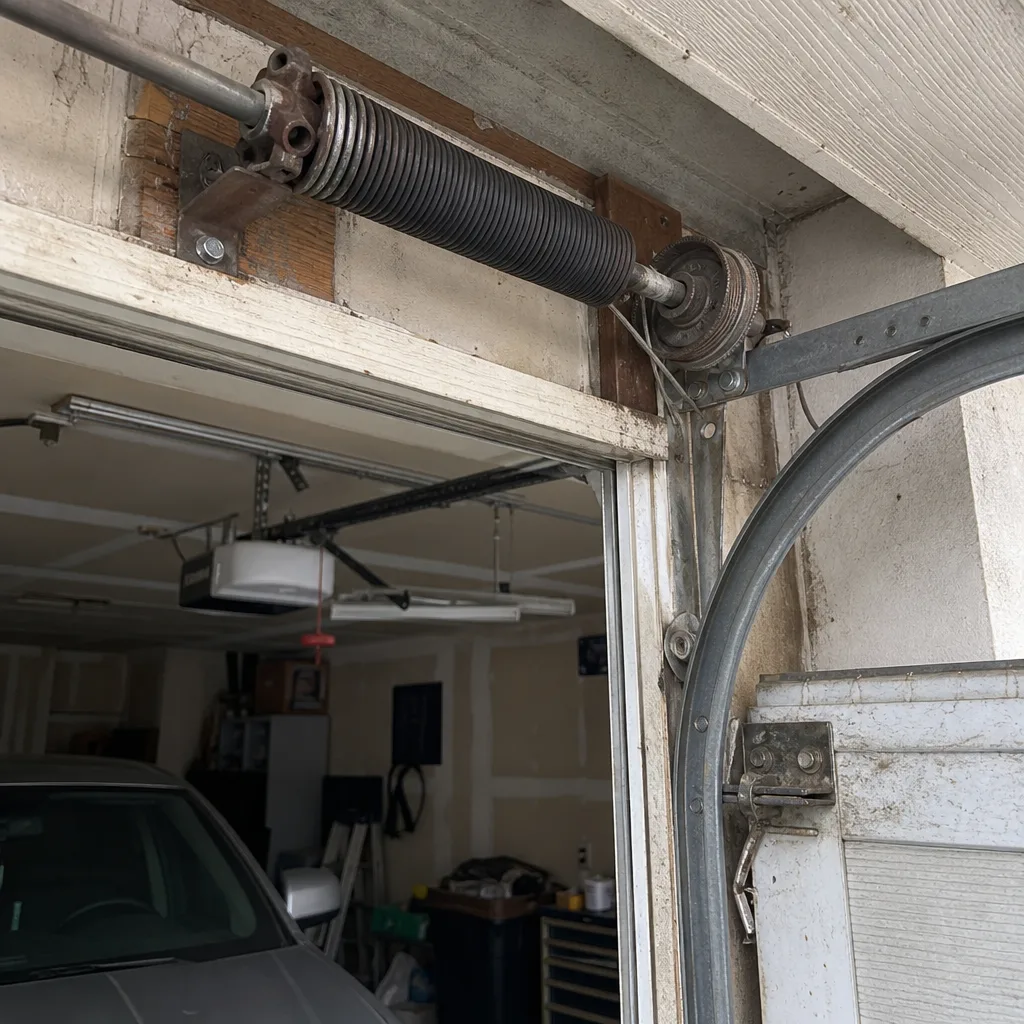 Before
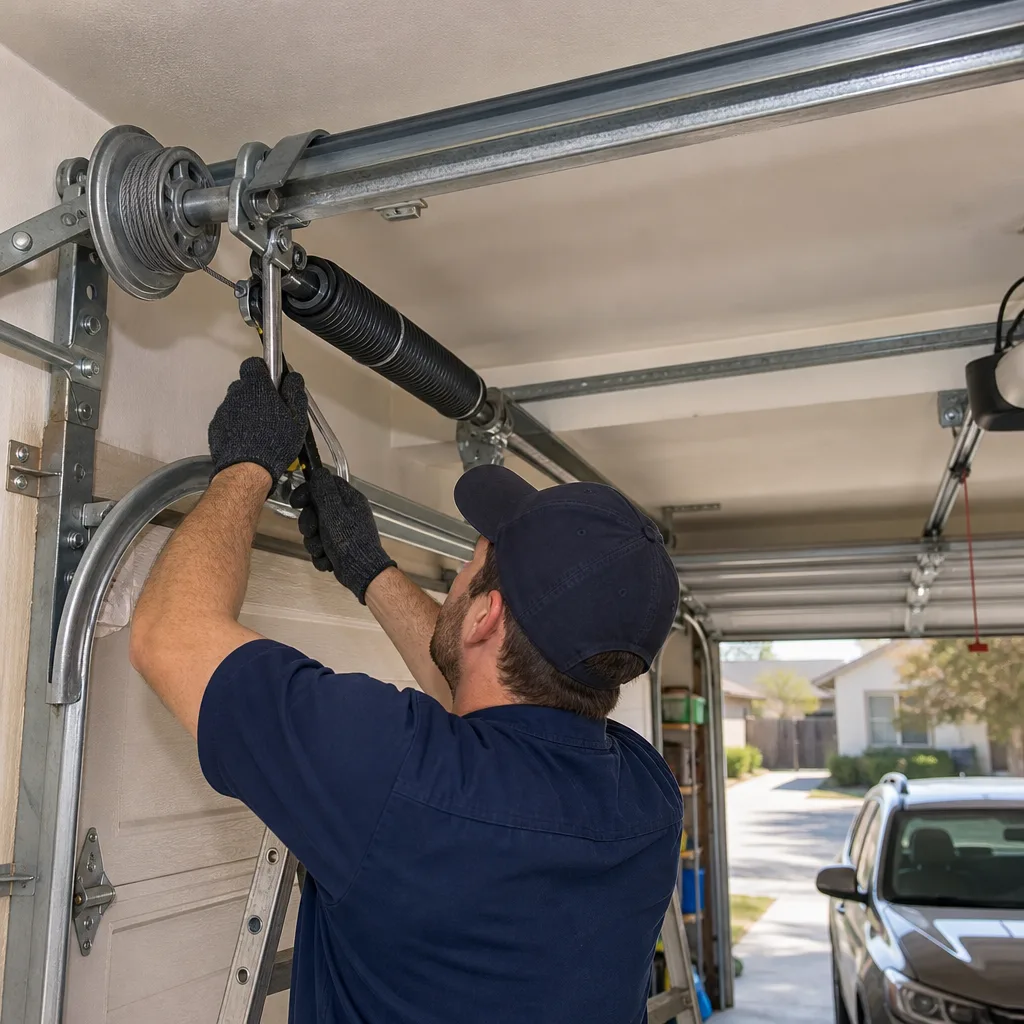 After
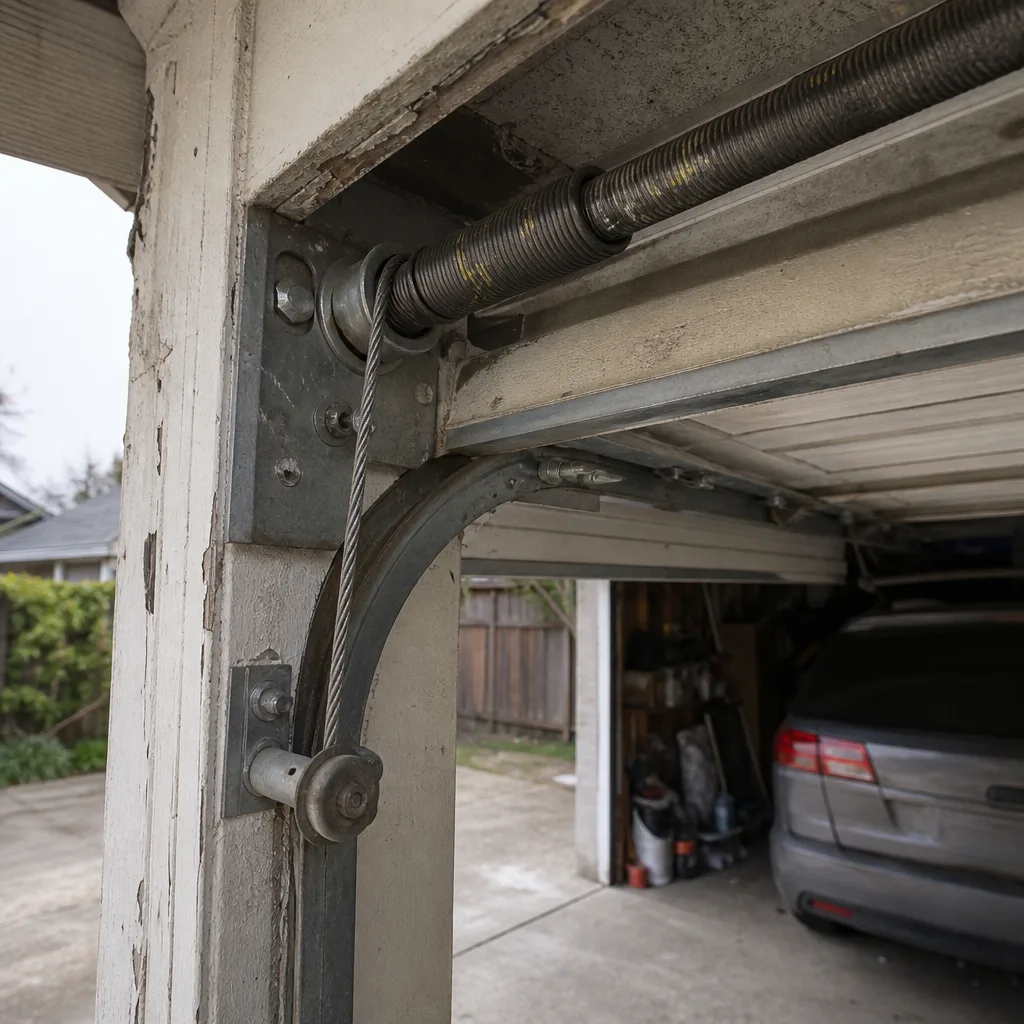 Before
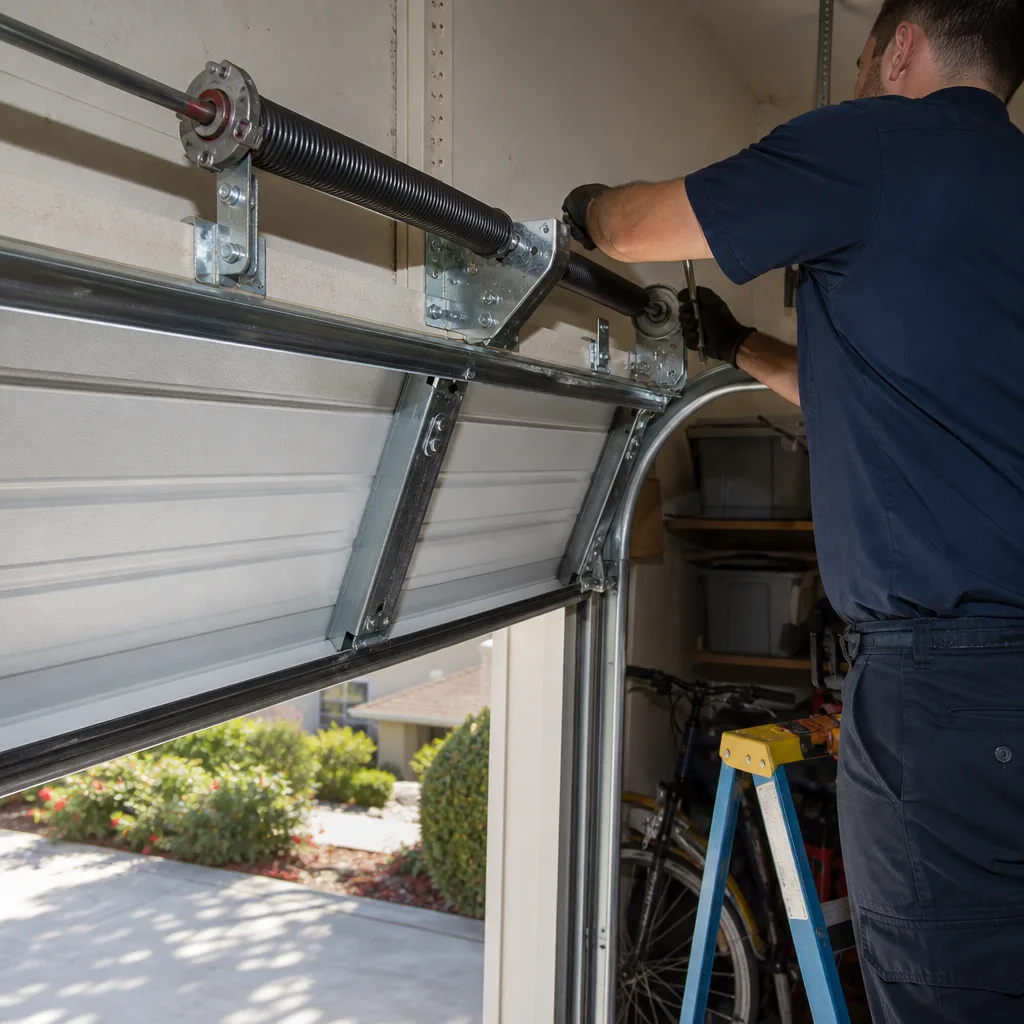 After
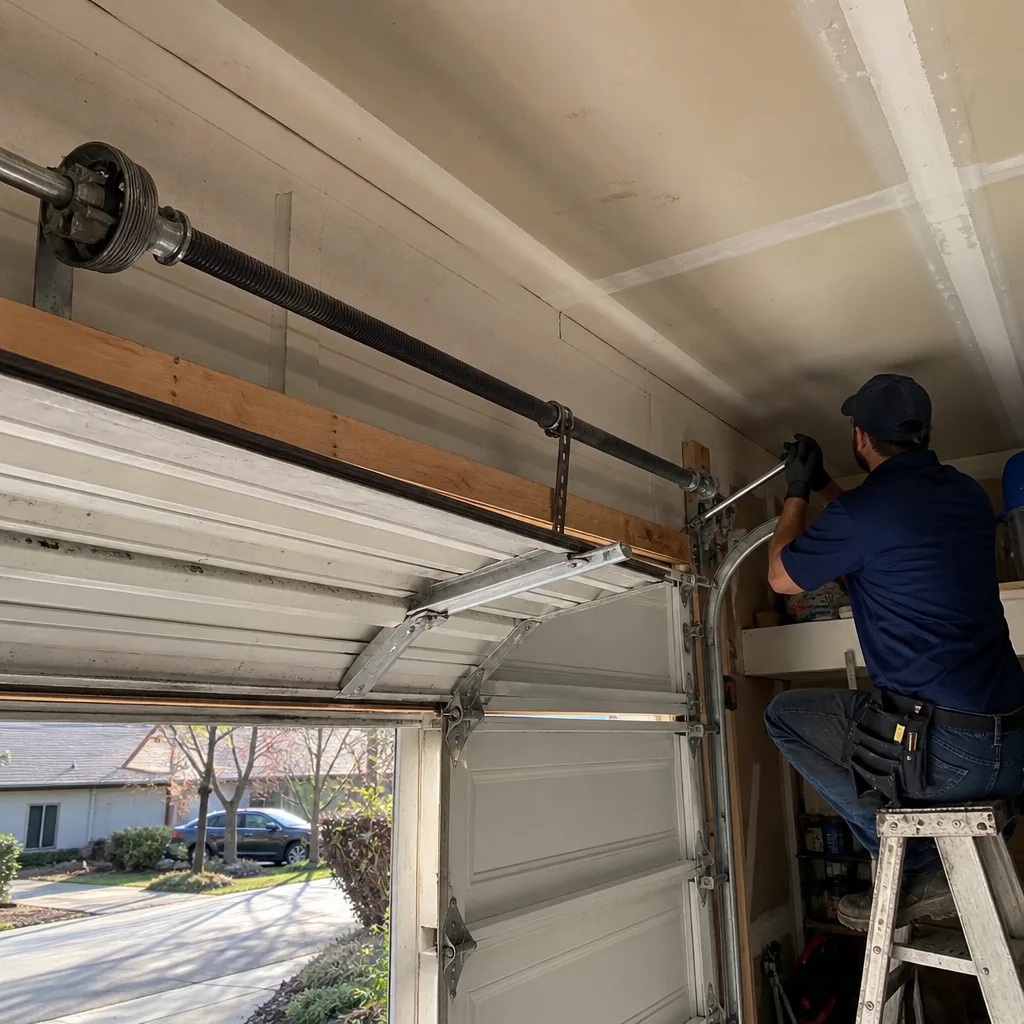 Before
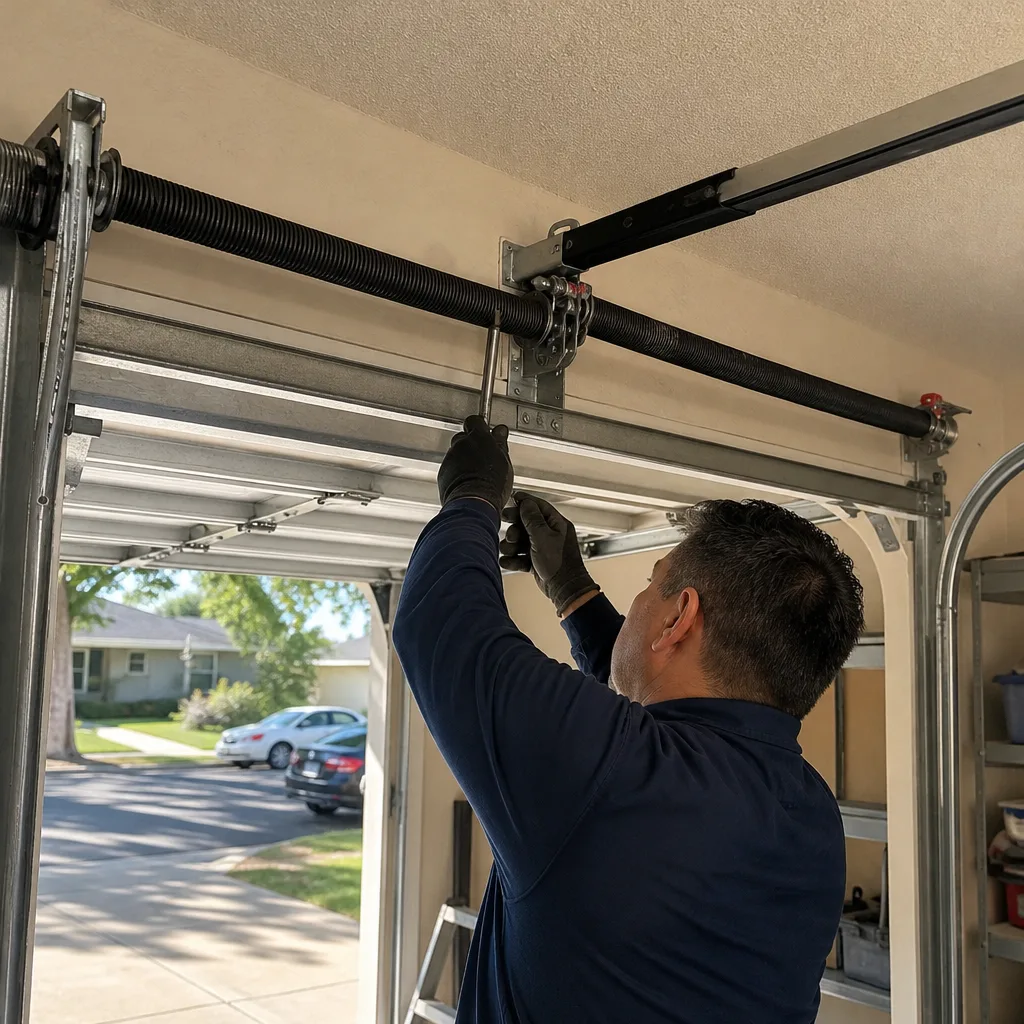 After