
Last updated October 31, 2026
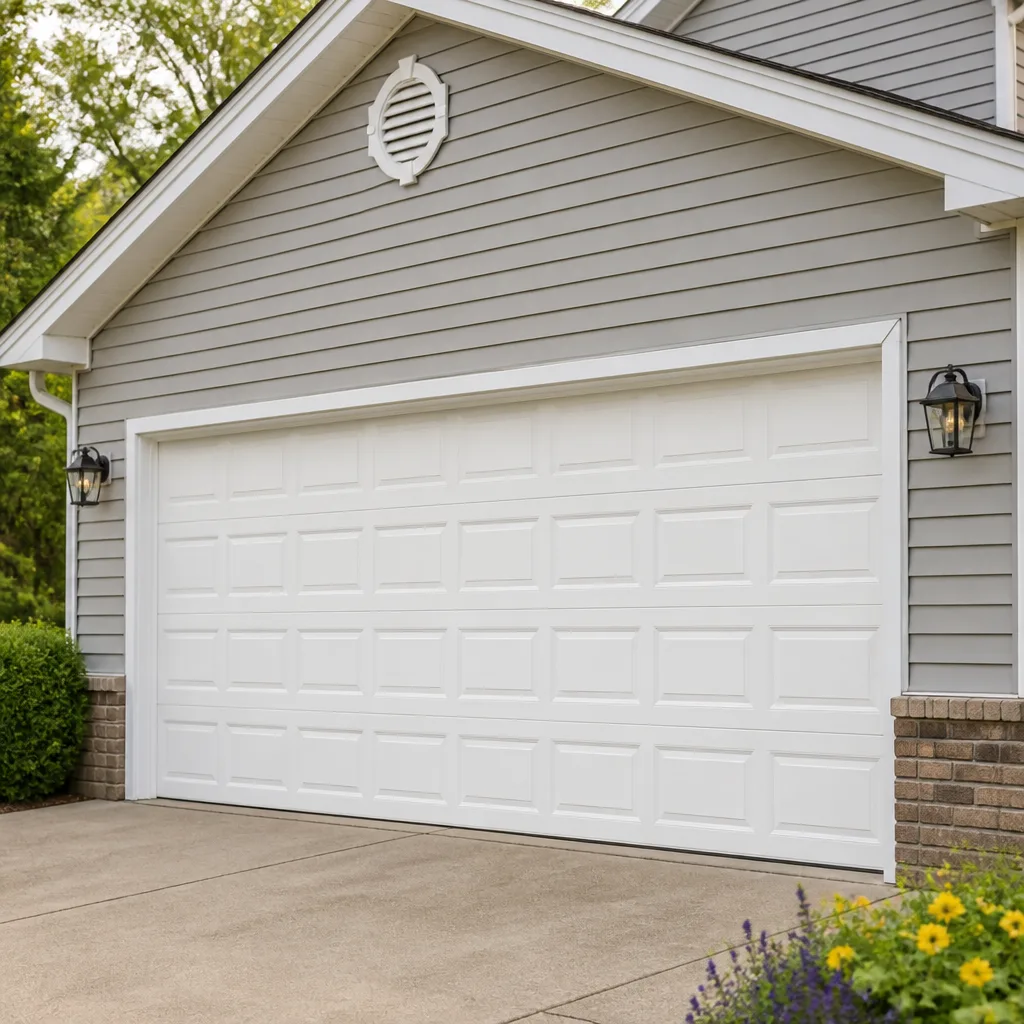 Raised-panel steel
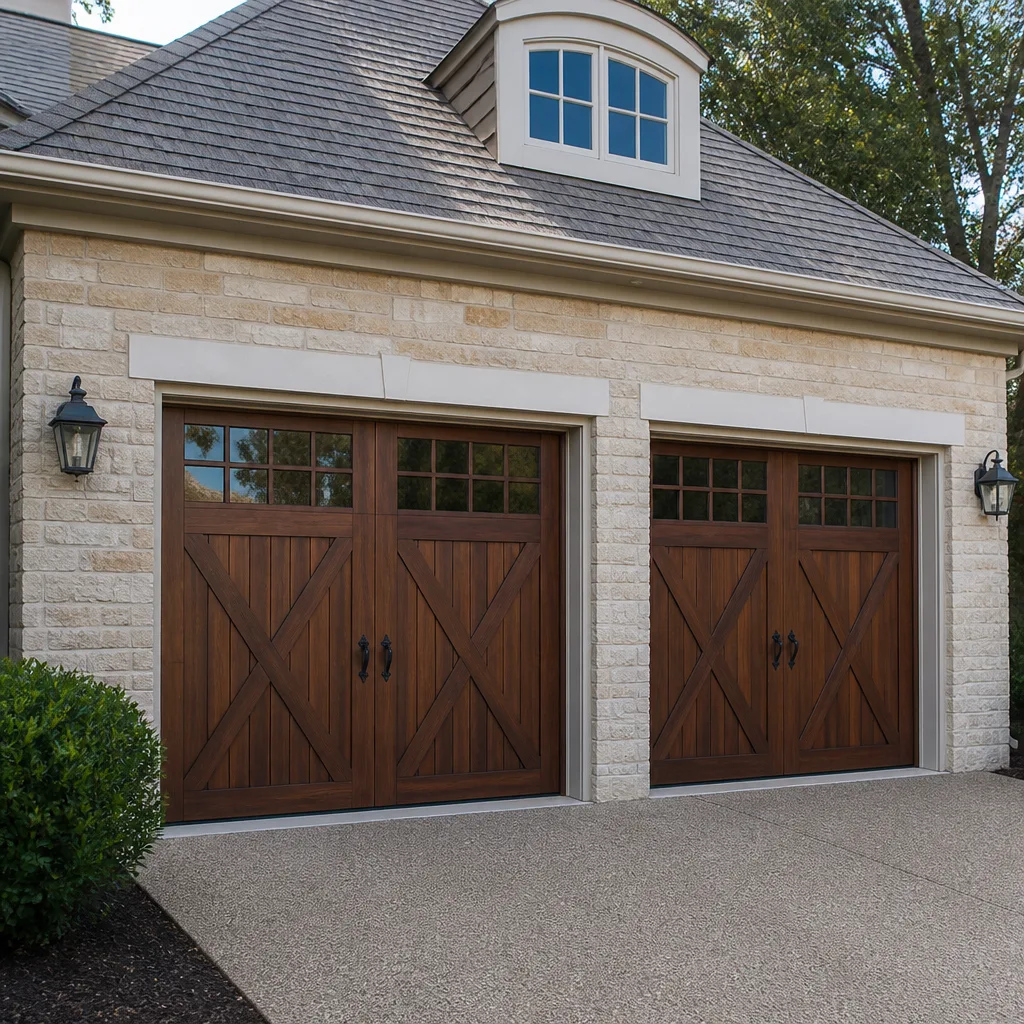 Carriage house
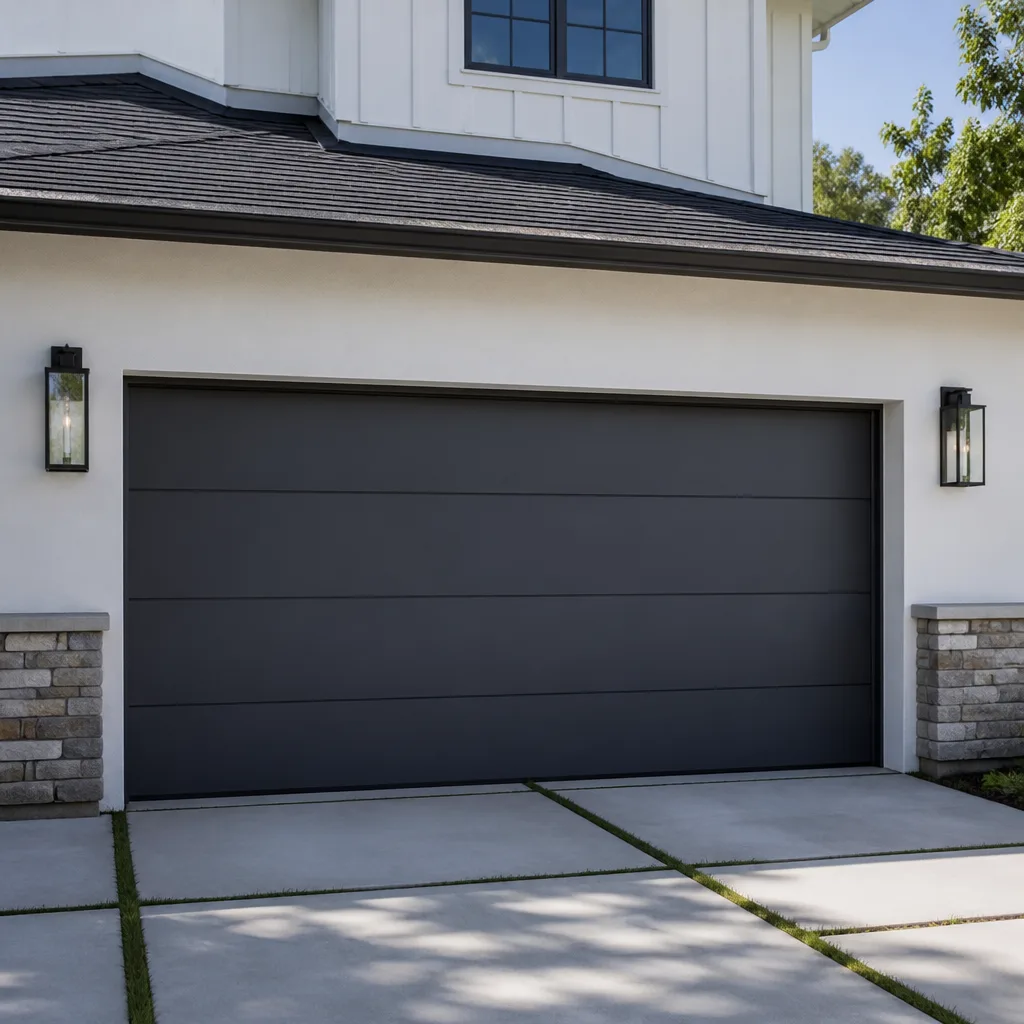 Modern flush
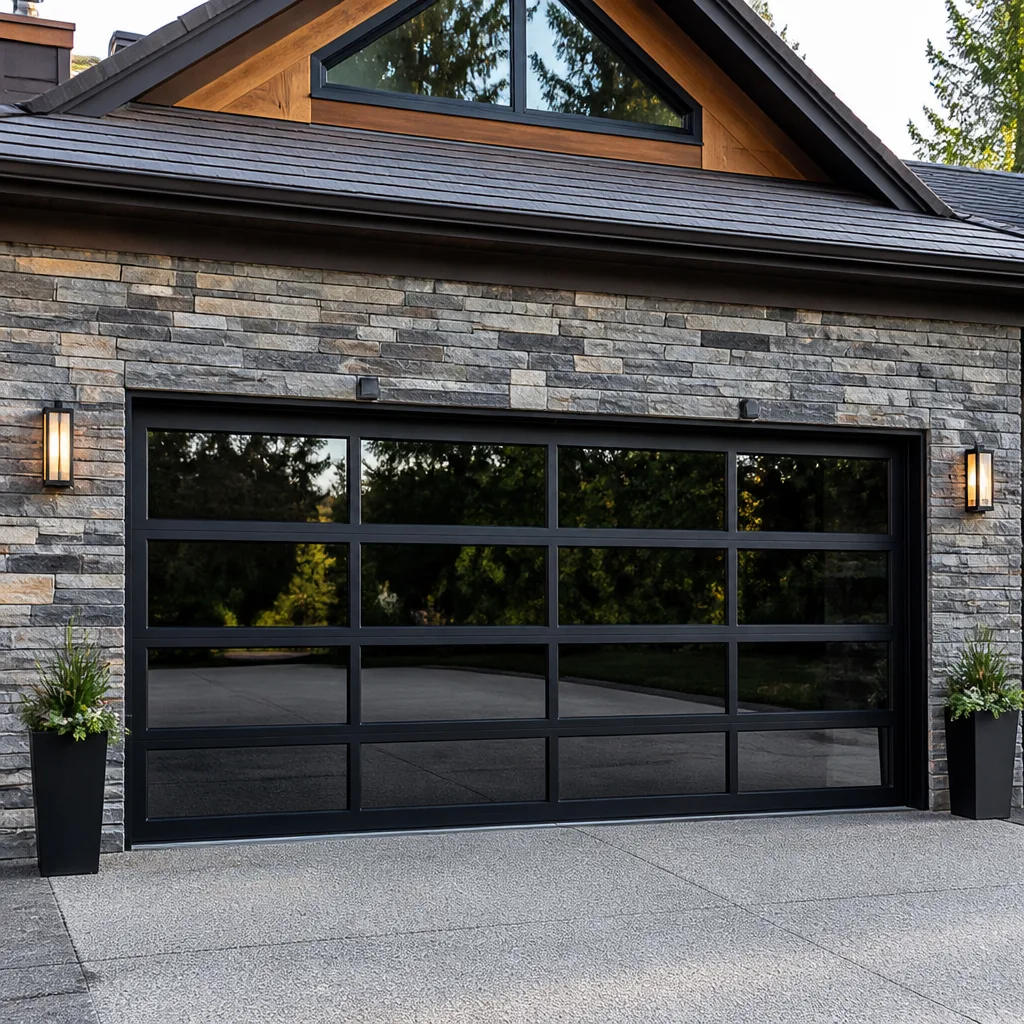 Full-view glass
 LiftMaster openers
 Chamberlain openers
Full 25-point door and opener safety check with every visit - springs, cables, rollers, tracks, and your LiftMaster or Chamberlain opener included
You get a price before we start. It does not change when the truck arrives.
Get your free estimateSeasonal Garage Door Care for Sacramento: Year-Round Homeowner’s Guide
Sacramento’s “mild winters” are mild compared to Minnesota, but they’re wet enough to warp unprotected door bottoms and cold enough to thicken lubricants that were fine in July. Those two problems alone account for a surprising share of the repair calls we run between December and February. Most seasonal maintenance guides treat a garage door like it lives in a generic American suburb. It doesn’t. Your door lives in the Sacramento Valley, where summer heat hits 110°F on the blacktop and winter tule fog lingers for days. This guide covers what actually happens to your door and opener through our real seasons, and what to do about it before each one arrives.
Styles & brands we work with
Quick Answer
Seasonal garage door care in Sacramento means four distinct check-ups per year: spring tension and high-temp lubricant before summer heat hits, heat-stress monitoring during July and August, weatherstripping and track lubrication before the first real fall rains, and a moisture-focused winter inspection for tule fog condensation. Each check takes 30 to 45 minutes and requires no special tools beyond a level, a flashlight, and the right lubricant for the season. Skipping the seasonal transitions is what turns a $15 part replacement into a $300 repair.
Table of Contents
- Why Sacramento’s Climate Demands a Different Maintenance Calendar
- The Seasonal Toolbox: What You Need, What You Don’t
- April – May: Pre-Summer Prep That Prevents August Failures
- June – September: Monitoring Heat Stress on Panels and Opener Motors
- October – November: Wet-Season Prep Before the First Real Rain
- December – February: Tule Fog, Condensation, and Cold-Weather Lubrication
- Wood Doors in Sacramento: The UV Inspection Window Other Guides Miss
- The Dual-Season Lubrication Schedule
- Common Mistakes to Avoid
- When to Call a Professional
- Frequently Asked Questions
- The Bottom Line
Why Sacramento’s Climate Demands a Different Maintenance Calendar
Most seasonal garage door advice comes from national publications that treat the calendar as the trigger for maintenance. Swap your lubricant in October. Check your springs in April. That approach works in places with predictable seasons. Sacramento doesn’t cooperate. Our climate runs on two dominant modes and two short transition windows. The dominant modes are dry heat and damp cool. The transitions are the few weeks in spring when night temperatures swing 30 degrees and the few weeks in fall when the first real rain arrives, often without warning.
Here’s what that means for a garage door. Heat expansion changes spring behavior. A torsion spring that worked perfectly in March carries more tension load in August when the metal expands and the lubricant thins. Cold and damp do the opposite. Winter moisture from tule fog settles inside tracks, mixes with old lubricant, and creates a grinding paste. Wood panels absorb ambient humidity and swell, which throws off panel alignment even if nothing physically broke.
In Sacramento, a calendar-based schedule doesn’t work because the climate triggers don’t line up with months. What works is a condition-based schedule keyed to two transitions: the shift from cool nights to hot days, and the shift from dry to wet. More on that in the sections below.
The Seasonal Toolbox: What You Need, What You Don’t
You don’t need a workshop full of specialty gear to maintain a garage door; see our more guides & resources for other homeowner projects. You need about six items, half of which you already own. The key purchases are specific to the kind of door you have and the season you’re prepping for.
For every seasonal check, keep these on hand:
- A 4-foot level for checking track alignment and panel balance
- A clean microfiber cloth for wiping rails and sensor lenses
- A flashlight with a narrow beam for inspecting spring coils and cable wear
- A silicone-based spray lubricant for tracks and hinges (low-temp formulation)
- A white lithium grease for metal-on-metal contact points like chain-drive opener rails
- A high-temp lubricant rated for 110°F+ environments for summer use (more on this in the spring section)
What you don’t need: WD-40 on springs or tracks. It’s a water displacer, not a garage door lubricant. It cleans off the protective film and accelerates rust. You also don’t need to lubricate nylon rollers with anything; they’re self-lubricating on the bearing side. Grease on the wheel surface just attracts dust and grime from the Sacramento valley air.
April – May: Pre-Summer Prep That Prevents August Failures
The most important garage door work in Sacramento happens not in summer, but in the six weeks before summer arrives. That’s when you adapt your door to what’s coming: weeks of 95°F to 110°F heat, blacktop temperatures that hit 140°F in direct sun, and metal components that expand throughout the day.
Two tasks matter most in April and May.
1. Adjust spring tension for heat expansion.
Steel expands as it warms. A torsion spring wound to standard tension in March behaves differently in July. The spring’s effective length increases slightly with heat, which changes the counterbalance force the door needs. Most Sacramento doors run with torsion springs set a hair lighter in summer than in winter. If your door feels heavy and resists opening by hand after a hot stretch, the spring may need a quarter-turn adjustment. If it jerks upward and bounces at the top, the spring may be wound too hot for the season. This work requires releasing tension from a loaded spring. One slip can cause a serious hand, wrist, or facial injury. We recommend a trained professional for any spring adjustment. If you want to learn more about how springs work and what goes wrong, our Garage Door Repair in Sacramento page walks through the mechanics and the warning signs.
2. Switch to a high-temperature lubricant.
This is the single easiest seasonal upgrade you’ll make all year. Standard white lithium grease thins out and drips off at sustained temperatures above 100°F. What’s left on the track turns into a sticky film that collects dust. High-temp silicone and synthetic formulations rated for 110°F+ stay put and maintain their film strength when your garage interior hits 115°F during a valley heat wave. Reapply to hinges, bearing plates, and opener rails during the April – May window. This takes 15 minutes and extends the life of every moving metal part.
June – September: Monitoring Heat Stress on Panels and Opener Motors
Summer maintenance in Sacramento is less about doing and more about watching. Your door tells you when the heat is stressing it. You just need to know what the signals look like on different panel materials.
Steel panels: Look for two things. First, warping or oil-canning, which is when the center of a panel flexes inward or outward with a metallic pop when the door moves. Sacramento’s direct summer sun heats the exterior face of a dark-colored steel door to 160°F or higher while the interior garage side stays 40 degrees cooler. That thermal differential causes expansion bowing. Second, look for paint blistering or chalking on south-facing panels. It’s cosmetic at first, but once the paint fails, the underlying steel starts to rust in the next wet season.
Aluminum panels: Aluminum expands roughly twice as much as steel for the same temperature change. Watch for binding at the section joints. If your door used to move smoothly and now pauses or sticks partway up, heat expansion is usually the culprit on uninsulated aluminum doors.
Fiberglass and vinyl: These handle expansion well but transmit heat differently. The risk is in the adhesives and sealants around window inserts, which soften in extreme heat and let moisture in come fall.
Opener motors: Most modern openers have a thermal overload cutoff. On days above 105°F, an opener that runs four or more times rapidly can trip that cutoff and refuse to respond for 20 minutes. That’s not a failure; it’s the motor protecting itself. If it recurs, though, the capacitor or logic board may be heat-fatigued. We diagnose opener faults rather than immediately recommending replacement. If your opener acts up during a Sacramento heat wave, our Garage Door Opener Repair in Sacramento experts run through the most common heat-related failures and what they cost to fix.
The summer check itself takes 10 minutes per week. Look at the panel faces in morning light, open and close the door twice, listen for new noises, and check the opener light after heavy use days.
October – November: Wet-Season Prep Before the First Real Rain
Sacramento’s first real rain of fall is a weather event, not a calendar date. One year it arrives in late September. The next year it holds off until Thanksgiving. Whatever the date, water on your garage floor is the proof that your weatherstripping was not ready.
The fall prep window starts when nighttime lows drop into the 50s and the morning grass is wet. That’s your cue to get ahead of the rain, not react to it.
Steps for the fall wet-season prep:
- Inspect the bottom seal (astragal) along its full width. Look for cracks, flattening, or gaps where concrete meets rubber. Sacramento’s dry summers bake rubber seals, making them brittle by fall. A $30 bottom seal replacement now prevents soaked cardboard boxes and rusted door hardware in January.
- Check the side and top weatherstripping around the door opening. Run your hand along the perimeter while the door is closed. If you feel airflow, water will follow it. Vinyl and rubber seals both shrink with temperature swings, and Sacramento’s 40-degree day-to-night swings in October are enough to pull seals away from the jamb.
- Clean the tracks thoroughly before relubricating. Summer dust and cobwebs accumulate in the bottom few inches of track. When rain humidifies that dust, it turns into a grinding paste. Wipe the tracks dry, then apply a light silicone lubricant to the inside edge where the rollers travel.
- Check the door’s balance by disconnecting the opener (pull the red release cord) and lifting the door halfway. It should stay put or drift very slowly. If it falls, a spring is losing tension. In fall, the problem is usually the opposite of spring: metal contracts, tension changes, and the door behaves differently. Get it adjusted before winter to avoid a failure on a cold, wet morning.
If your door is at the point where repairs no longer make sense, see our Garage Door Installation in Sacramento page for what a full replacement involves in the Sacramento market, including material choices that hold up through our hot-dry and cool-damp pattern.
December – February: Tule Fog, Condensation, and Cold-Weather Lubrication
Winter in Sacramento is defined by tule fog. It rolls in off the delta, sits in the valley for days, and drives humidity inside garages up to 80% or higher. That humidity condenses on cold metal surfaces: tracks, springs, cables, and opener housings. Condensation plus old lubricant equals rust. Rust plus spring movement equals stress fractures. Stress fractures in a torsion spring mean you wake up one January morning and the door won’t open.
The simple fix is a monthly winter inspection focused on moisture.
Winter moisture control routine:
- Wipe down tracks, springs, and cables with a clean dry cloth once a month. Remove visible condensation before it has time to combine with old lubricant and start the rust cycle.
- Run the door once a day, even if you don’t park in the garage. Movement redistributes whatever thin film of lubricant remains and keeps hinges and rollers from freezing in place. A door that hasn’t moved in a week is a door that may not move when you need it.
- Check for rust bloom at spring coil gaps. Surface rust is cosmetic. Flaking or scaling at the coil edges is a spring that’s nearing the end of its service life. A broken spring on a Sacramento winter morning is one of our most common emergency calls between December and February.
- Keep the garage floor dry. Concrete is porous. Standing water from wet car tires evaporates upward and condenses on the underside of the door. A quick squeegee after rain keeps the microclimate under the door from turning into a rust factory.
If you spot rust on springs or cables, don’t try to clean or tighten them yourself. Loaded springs and cables under tension carry enough force to cause serious injury. This is one of the times to have a professional look. The same applies to any cable that looks frayed or separated.
Wood Doors in Sacramento: The UV Inspection Window Other Guides Miss
Wood garage doors are the exception to almost every rule in this guide. They expand and contract with humidity, they fade and crack under UV, and they need attention at a different time of year than steel or aluminum doors.
Sacramento’s UV load is extreme. We average over 260 sunny days a year. A south-facing wood door takes that sun head-on for six to eight hours a day through summer. The finish on a wood door here will fail faster than almost anywhere else in the country, and the failure pattern is predictable. Cracking at the panel edges, fading on the upper panels, and peeling along the bottom rail.
The inspection window other guides miss is late August through early September. That’s when UV damage from the summer is at maximum visibility, but before the first fall rains arrive to turn small cracks into full panel swelling. If you reapply a finish coat in September, you’ll seal out winter moisture and keep your wood door stable through the wettest part of the Sacramento year.
We work on wood doors from Amarr and Wayne Dalton regularly, and both brands respond well to a schedule of annual finish inspection plus resealing whenever bare wood shows through. If you have a wood door that’s already showing panel swelling or misalignment, it can usually be restored. Total replacement is rarely the first answer. Our Lionheart Garage Door Repair home page explains our repair-first approach to every door we service.
The Dual-Season Lubrication Schedule
Most homeowners lubricate their garage door once, if at all. That’s a mistake in Sacramento. Our climate demands two different lubricants at two different times of year.
Warm season (April – October): Use a high-temp synthetic lubricant on hinges, rollers, bearing plates, and opener rails. Look for one labeled for 110°F+ or high-heat environments. Apply a thin coat; more is not better. Excess lubricant drips onto the door face and becomes a magnet for airborne dust.
Cool season (November – March): Switch to a standard silicone or white lithium formulation. These stay thicker in cold, damp conditions and provide better film strength when fog and rain humidity are high. Don’t mix lubricant types on the same surface. Clean the part thoroughly before switching formulations.
Two lubrication sessions per year, 20 minutes each, will do more for your door’s lifespan than anything else on this list.
Common Mistakes to Avoid
- Using WD-40 on springs and tracks. WD-40 displaces water but doesn’t lubricate under load. It strips existing lubrication and leaves metal exposed to rust. Use a proper garage door lubricant instead.
- Ignoring bottom seal cracks until winter. A torn bottom seal in summer lets dust and hot air in. By winter, the same tear lets water in. Replacing a $30 seal in October prevents both problems.
- Skipping the balance test. A door that’s slightly out of balance in October will be seriously out of balance by January. The half-minute balance test (pull the cord, lift halfway, see if it holds) is the single best predictor of near-term spring failure.
- Applying the same lubricant year-round. Sacramento’s temperature swings outrun the tolerance of any single formulation. The high-temp product that works in August turns gummy in December. Switch seasonally.
- Oiling nylon rollers. Nylon rollers have sealed bearings. Lubricating the wheel face does nothing except attract dust. Lubricate only the metal shaft and hinge points.
- Forgetting to run the door in winter. Garage doors need movement to stay functional. A door left closed for weeks through Sacramento’s fog season will be stiff, noisy, and likely to refuse to open on the first cold morning you actually need it.
- Ignoring opener thermal cutoffs. If your opener shuts down on hot afternoons and comes back in 20 minutes, that’s the thermal overload doing its job. Repeated trips, though, signal a motor working harder than it should. That’s a diagnostic issue, not a wait-and-see issue.
When to Call a Professional
Most of the seasonal tasks in this guide are homeowner-friendly: wiping tracks, checking seals, testing balance, applying lubricant. But some conditions call for a specialist. Call a professional if you see visible cracks in a torsion spring, fraying on any cable, a door that falls freely when released from the opener, or repeated thermal shutdowns from the opener motor. These are not tune-up issues. They’re signs that a component is loaded, fatigued, or failing. Lionheart Garage Door Repair offers free estimates in Sacramento. Call (855) 758-6556 and we’ll diagnose the problem in your driveway before any work begins.
Frequently Asked Questions
Twice a year, at the spring and fall transitions. The spring service prepares your door for summer heat. The fall service prepares it for rain and fog. Each takes about 30 to 45 minutes if you’re doing the homeowner-level checks. If you want a professional inspection, most Sacramento companies offer a seasonal tune-up. We recommend pairing the spring service with spring tension adjustment and the fall service with weatherstripping inspection.
Use a high-temperature synthetic lubricant rated for 110°F or higher during the warm season. Standard white lithium grease thins and drips off at sustained valley heat. Look for a product labeled for high-heat or extreme-temperature use. Switch back to standard silicone or lithium grease once fall arrives and temperatures drop.
Run the balance test: disconnect the opener with the red release cord, lift the door halfway, and watch what happens. If it drops, the spring tension is too low. If it rises on its own, the spring is wound too tight. Sacramento’s seasonal temperature swings change spring behavior by enough to require minor adjustment between seasons. Spring work is dangerous and should be handled by a trained professional.
Metal panels, especially aluminum, expand significantly in direct heat and cause section joints to bind. The problem usually appears as the door pauses or sticks mid-travel during the hottest part of the afternoon. It often resolves once the door cools, but persistent binding can damage hinges and stress the opener. Check panel alignment while the door is warm to confirm heat expansion is the cause.
Tule fog raises humidity dramatically for days at a time, causing condensation to form on cold metal garage door components. That moisture combines with old lubricant and creates a grinding paste in the tracks, while repeated condensation cycles accelerate rust on springs and cables. Wipe down metal parts once a month during fog season and run the door daily to keep things moving.
Do-it-yourself seasonal maintenance runs about $30 to $50 per year for lubricant and replacement weatherstripping. A professional tune-up in the Sacramento market typically includes spring inspection, tension adjustment, track cleaning, and lubrication. For an exact quote, call (855) 758-6556. Estimates are free, and every price is quoted and agreed before any work starts.
The Bottom Line
Sacramento’s climate doesn’t do gentle transitions, and your garage door doesn’t either. The door that works fine in April needs preparation for August. The door that survived summer needs weatherstripping before the first fall rain. The door that sits through tule fog needs monthly moisture checks to keep rust from attacking springs and cables. Two seasonal service sessions per year, a lubricant switch in spring and fall, and a ten-minute weekly visual check during extreme weather will keep your door moving through every season the valley throws at it. That’s the difference between a door that lasts 15 years and one that fails on the morning you need it most.
Written by the team at Lionheart Garage Door Repair, serving Sacramento since 2017. We diagnose the door you have before recommending anything new. For seasonal questions or a free estimate, call (855) 758-6556.
See the difference
 Before
 After
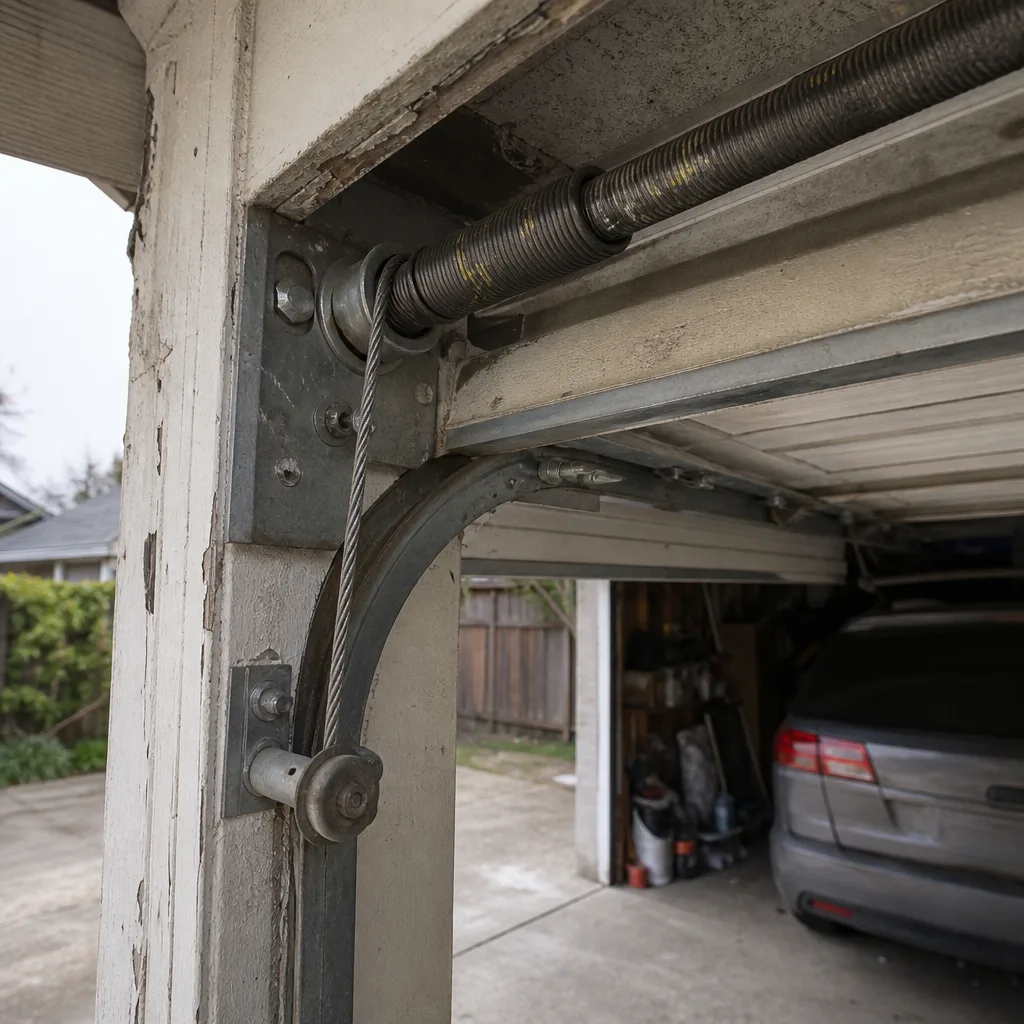 Before
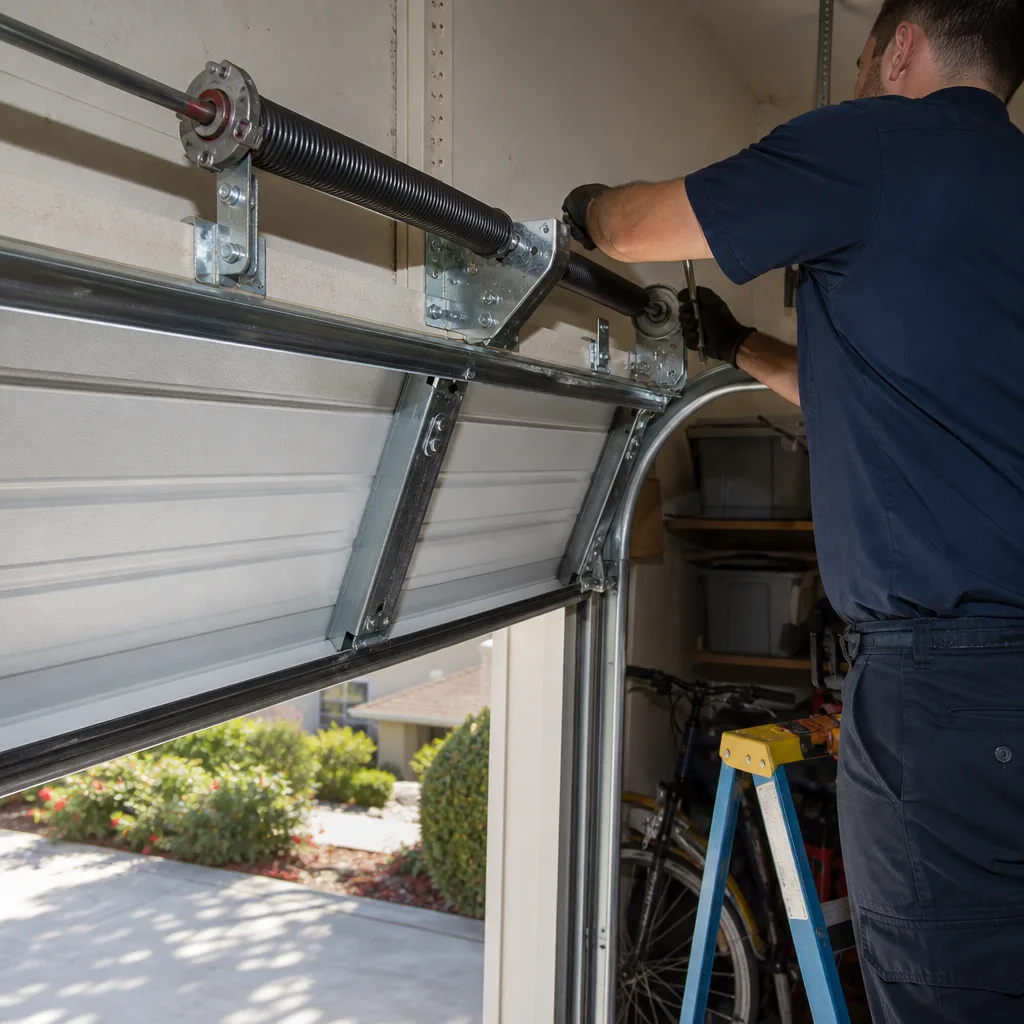 After
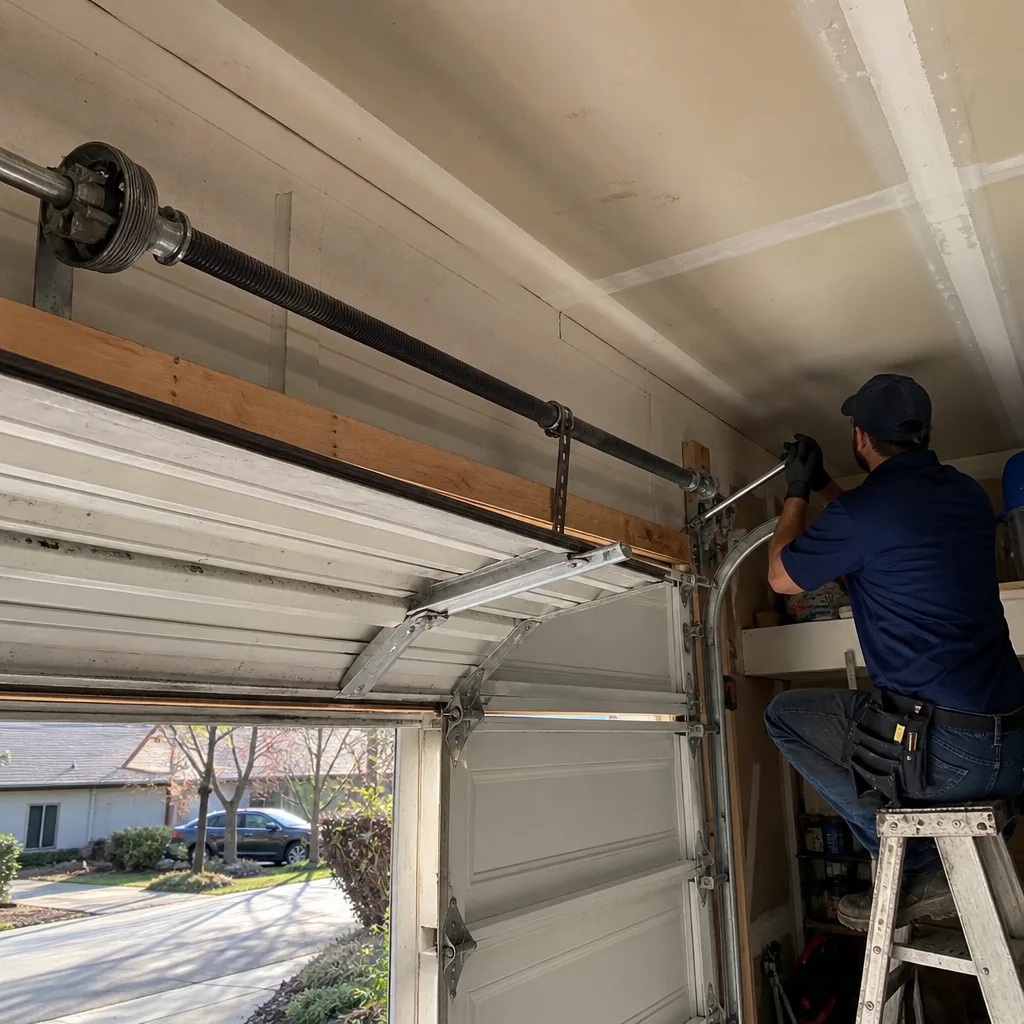 Before
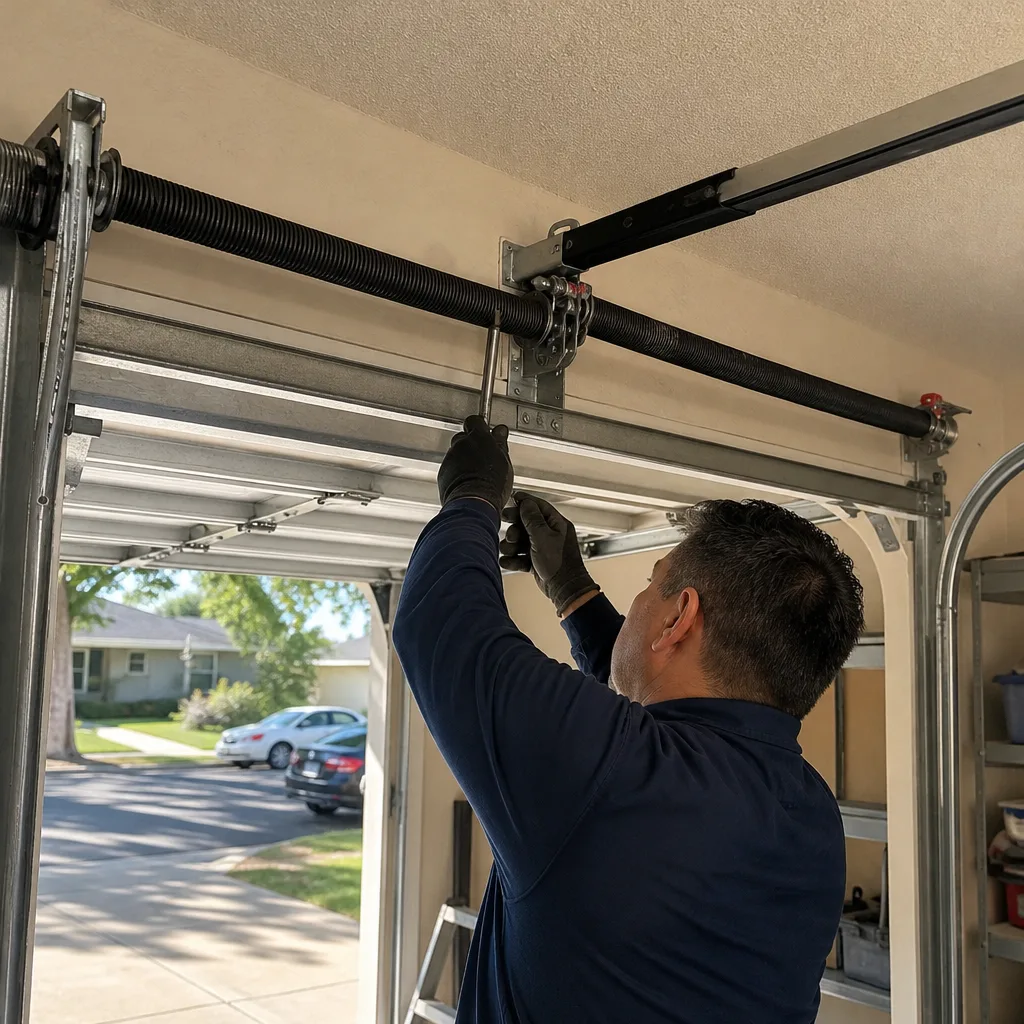 After