
Last updated October 31, 2026
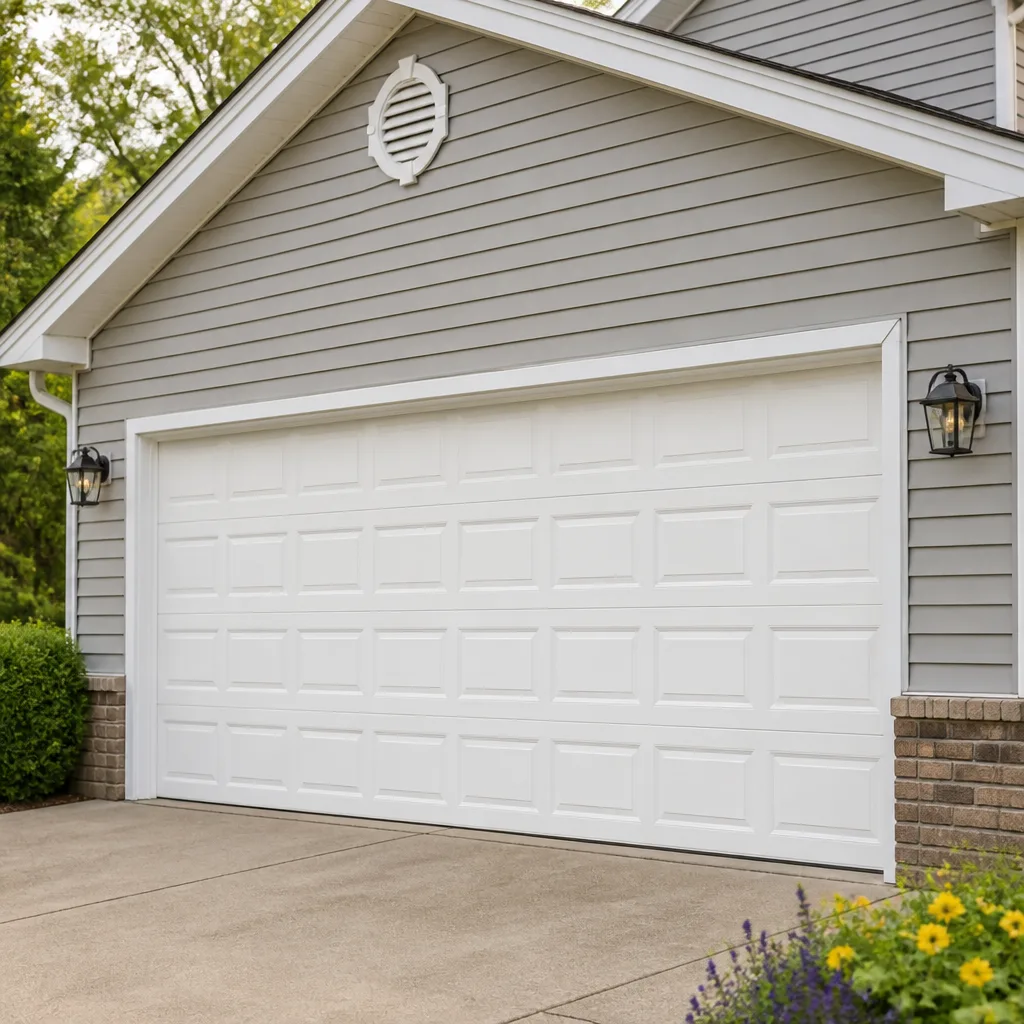 Raised-panel steel
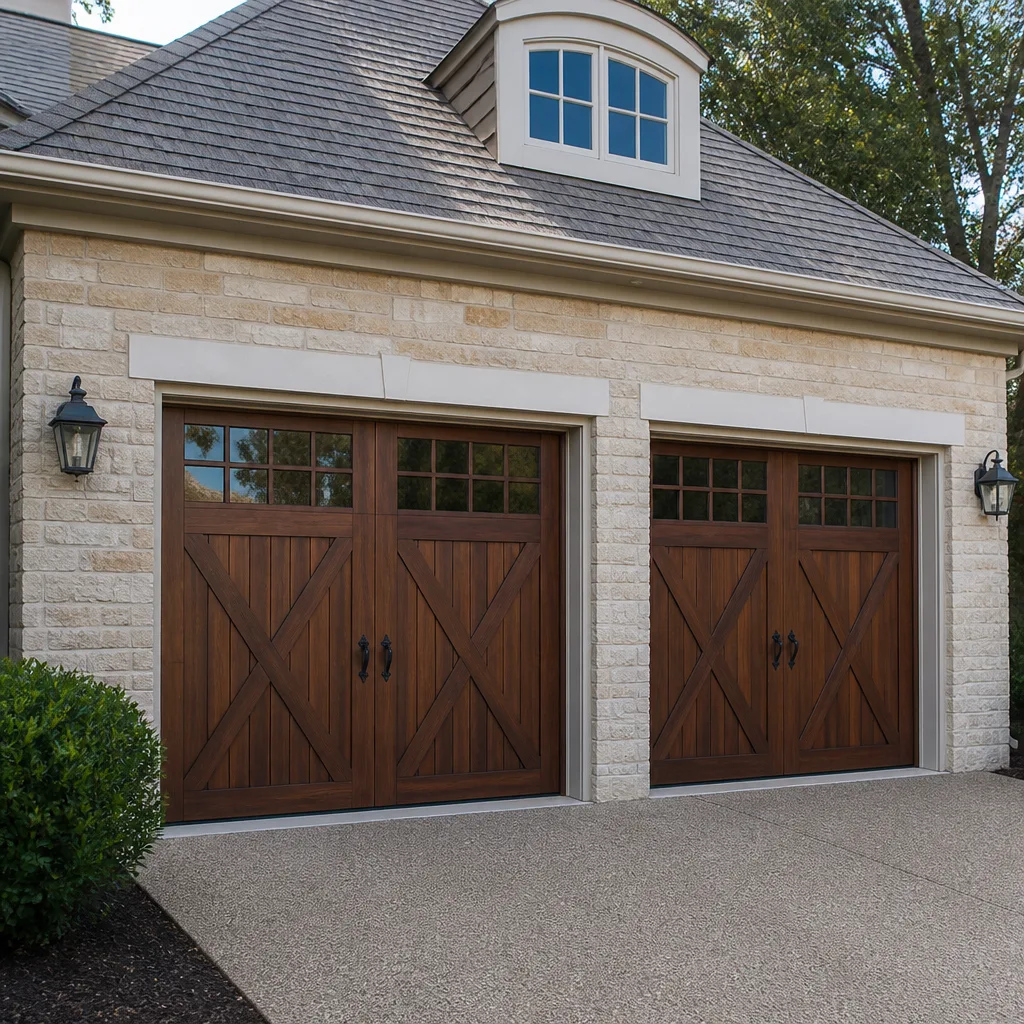 Carriage house
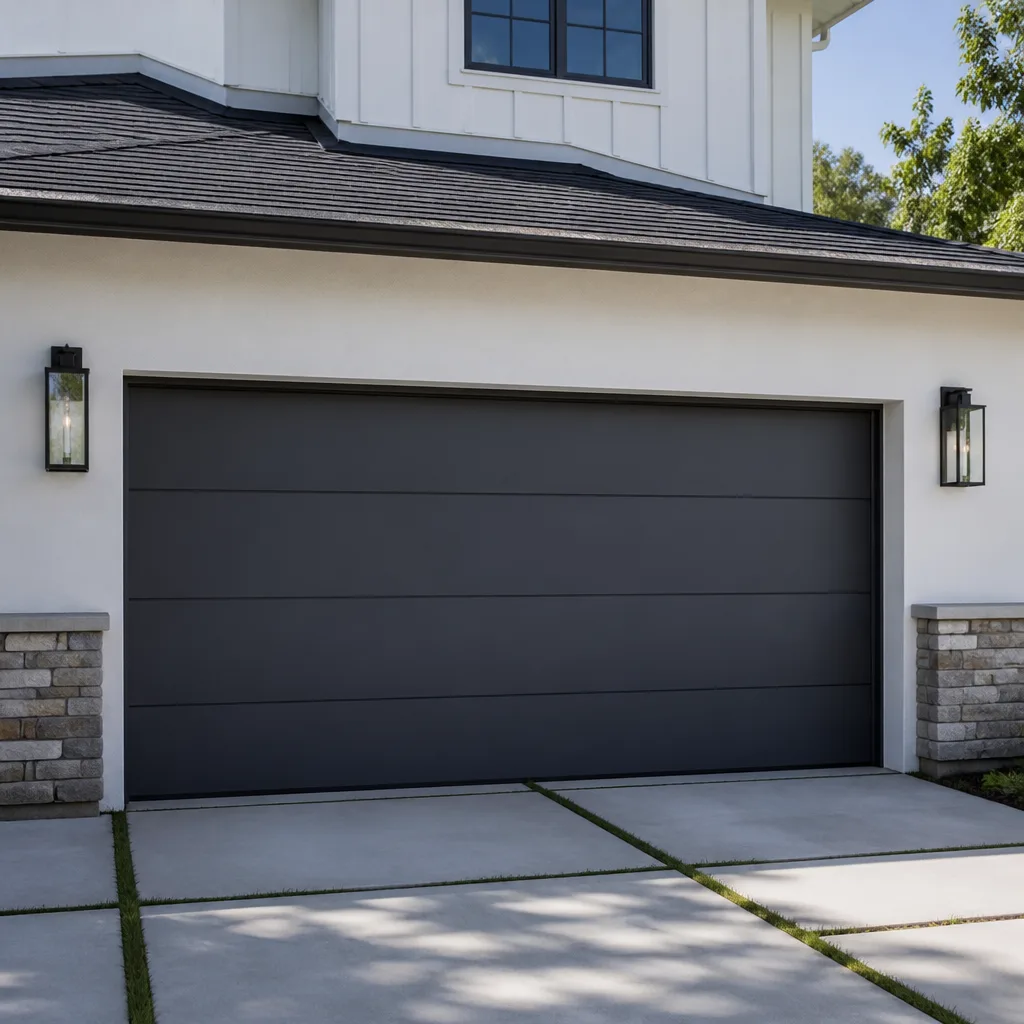 Modern flush
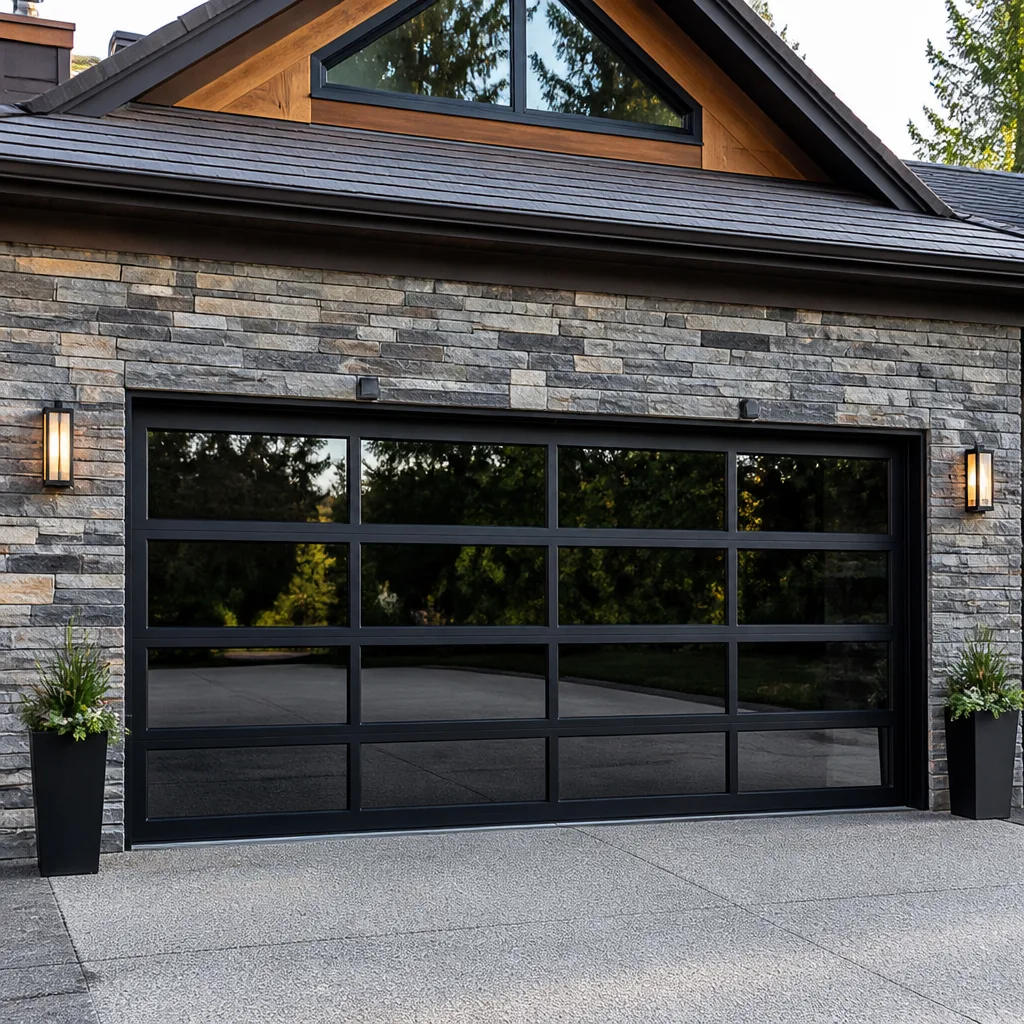 Full-view glass
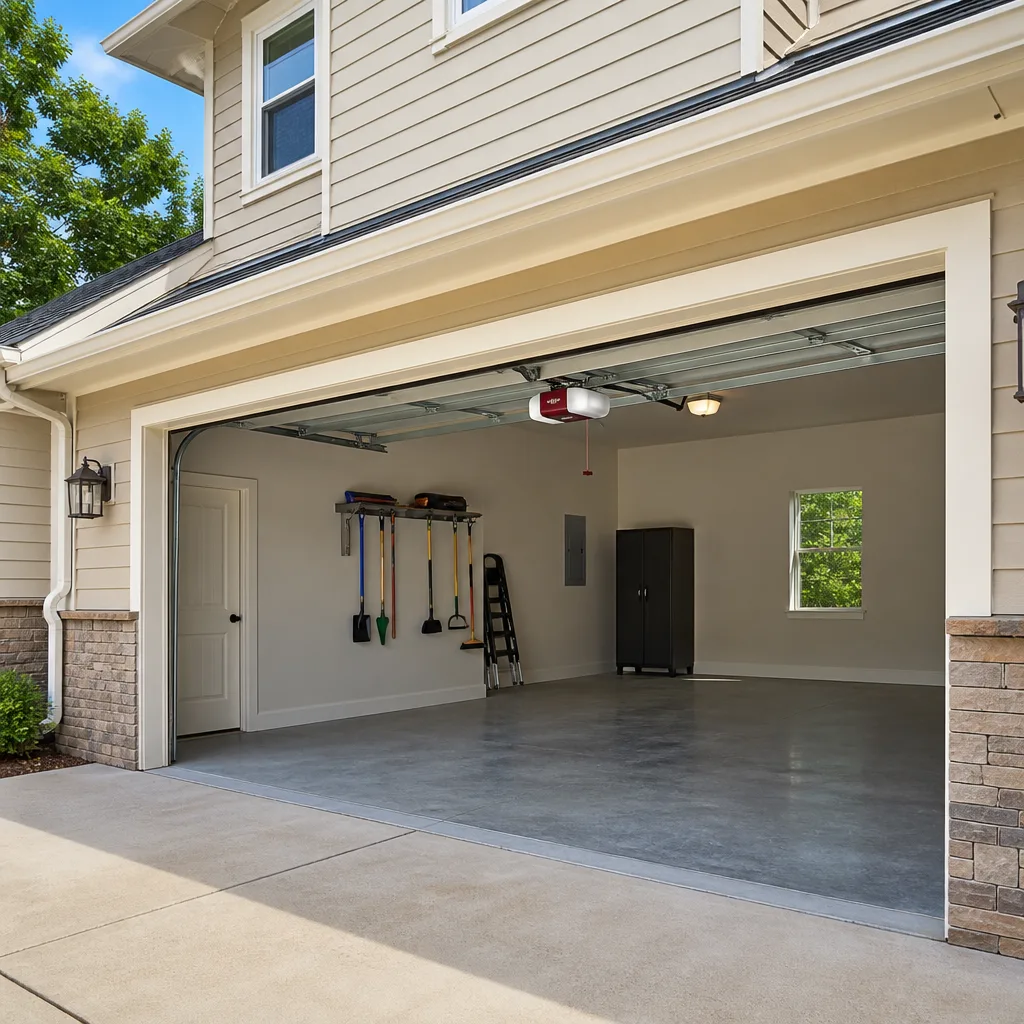 LiftMaster openers
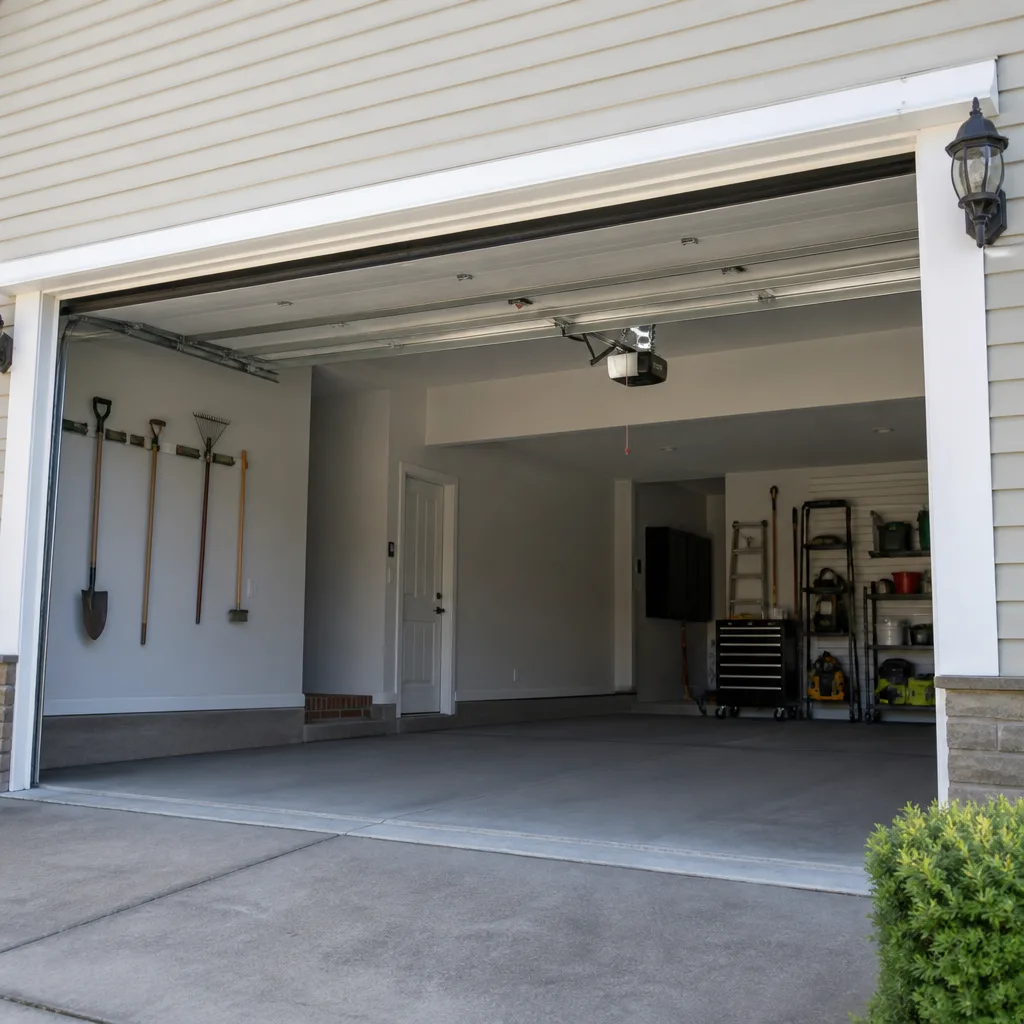 Chamberlain openers
Full 25-point door and opener safety check with every visit - springs, cables, rollers, tracks, and your LiftMaster or Chamberlain opener included
You get a price before we start. It does not change when the truck arrives.
Get your free estimateThe Complete Guide to Garage Door in Sacramento
Most garage door guides are written for Cleveland. Sacramento’s climate is closer to Phoenix mixed with coastal fog, and that combination destroys certain springs, finishes, and openers faster than the manufacturers’ warranty timelines predict. In this guide, you’ll learn what actually breaks on garage doors in the Sacramento Valley, why the heat and delta breeze matter more than any generic checklist, and how to make smart repair decisions that hold up year after year.
Quick Answer
A garage door in Sacramento faces three local stressors: triple-digit summer heat that shortens torsion spring life, overnight condensation cycles that accelerate track and hardware corrosion, and soil movement that gradually pulls doors out of alignment. The practical takeaway: sizing springs by climate, choosing corrosion-resistant hardware, and checking alignment after seismic activity matters more here than in most other regions of the country. For most Sacramento homeowners, a well-maintained door lasts 15 to 20 years, but the springs and opener require service long before the panels wear out.
Styles & brands we work with
Table of Contents
- How Sacramento’s Climate Breaks Garage Doors
- Torsion Springs and the Heat Problem
- The Moisture Swing: Fog, Delta Breezes, and Corrosion
- Best Door Materials for Sacramento’s Seasonal Range
- Neighborhood-by-Neighborhood Door Problems
- Seismic Activity and Door Alignment
- Opener Brands Worth Prioritizing
- A Seasonal Maintenance Calendar for Sacramento Homes
How Sacramento’s Climate Breaks Garage Doors
Sacramento sits in a thermal sweet spot for problems. We’re far enough inland to hit 100°F or higher on 20 to 30 days every summer, yet close enough to the Delta and the coast that overnight temperatures routinely drop 30 to 40 degrees. That swing is the culprit. Materials expand during the day and contract at night, and over thousands of cycles, fasteners loosen, seals crack, and stamped metal components flex in ways their manufacturers never tested for continuous exposure to this specific pattern.
Homeowners moving here from milder climates often assume their garage door maintenance habits will translate. They don’t. A door that survived fifteen Minnesota winters or two decades of mild Bay Area weather can develop problems within three Sacramento summers. We’ve replaced springs with 60 percent of their rated lifespan still technically remaining because the heat and cycling cadence wore out the steel’s temper early. For a deeper look at how these failures show up in day-to-day repairs, see our breakdown of Garage Door Repair in Sacramento.
Torsion Springs and the Heat Problem
Torsion springs are rated for a finite number of cycles, typically 10,000 for standard springs and 20,000 or more for high-cycle versions. What the rating doesn’t tell you is that ambient heat alters how the spring performs. A torsion spring that sits in an uninsulated Sacramento garage at 115°F inside temperature is not the same spring that operates at 72°F. The steel’s modulus drops slightly at high temperatures, which means the spring must work harder to achieve the same lift force. Over hundreds of hot afternoons, that additional stress translates into premature fatigue and eventual failure.
Why Spring Sizing Matters More Here
Springs are sized by door weight and height, but smart technicians in Sacramento also account for the heat. An undersized spring that would be marginal in a coastal climate will fail noticeably sooner here because the operating environment is hotter. When we size springs, we build in a margin that compensates for Sacramento’s summer ceiling. It’s not rare to see doors with builder-installed springs that were sized exactly to the door’s weight with no climate adjustment. Those springs break early, often at the two-to-four-year mark.
Warning: torsion spring replacement involves high tension that can cause serious injury. Do not attempt this as a DIY project. A trained professional releases and re-tensions the spring using proper winding bars and safety protocols. If you suspect a spring issue, the safest move is a professional inspection.
Signs Your Spring Is Failing
- The door feels heavier than it should when you lift it manually.
- You hear a loud snap or bang from the garage, often followed by the door refusing to open.
- The door rises a few inches, then stops or reverses with the opener grinding.
- One side of the door hangs slightly lower than the other when in the raised position.
- You see a visible gap in the spring coil itself.
When a spring breaks, the door becomes dead weight. Do not force the opener to lift it. Disconnect the opener using the emergency release cord and call for repair. There’s more detail on emergency scenarios in our guide to garage door repair in Sacramento.
The Moisture Swing: Fog, Delta Breezes, and Corrosion
Sacramento’s humidity profile confuses people. It’s not the heavy, persistent humidity of the South. What we get instead is a daily moisture pulse. In late summer and fall, the Delta breeze pushes cool, moist air inland overnight. It condenses on metal surfaces that spent the day baking in dry heat. Repeat that cycle for a few months and you have the perfect recipe for micro-corrosion on hardware, hinges, and track surfaces.
We see this most clearly on older doors in neighborhoods like East Sacramento and Land Park, where doors built in the 1980s and 1990s used zinc-plated hardware rather than the better alloys common today. The zinc layer fails after enough condensation cycles, and once bare steel is exposed, rust follows quickly. Tracks develop pitting, rollers bind, and the door starts grinding instead of gliding.
The fix is straightforward but often ignored: stainless or galvanized hardware, nylon rollers with sealed bearings, and a seasonal track cleaning. We also recommend wiping down exposed metal during the foggy weeks, especially if you live closer to the river or the Delta where the moisture pulse is strongest.
Best Door Materials for Sacramento’s Seasonal Range
National buying guides talk about climate zones in the abstract. They’ll tell you steel is durable and wood is beautiful, but neither statement accounts for Sacramento’s specific cycle of 110°F afternoons, 50°F nights, and periodic humidity spikes. Here’s what actually holds up.
Steel (26-Gauge and Thicker)
Steel remains the most common and cost-effective material in Sacramento, but the gauge matters more than the style. Thin 28-gauge steel panels, common on builder-grade doors in newer subdivisions like those in Elk Grove and Natomas, are more prone to denting and flexing over time. A 26-gauge or thicker panel resists warping better through our temperature swings. Steel doors with a good thermal break also reduce the oven effect inside the garage, which protects everything else you store there. If you’re replacing a door, look for a factory-applied finish rather than a cheap painted surface. Sacramento’s UV index is high enough to fade and chalk poor finishes within three or four summers.
Composite and Vinyl
Composite doors, often built around a steel frame with a wood-fiber or polymer skin, perform well in Sacramento because they absorb less heat and don’t expand as aggressively as solid wood. They’re worth considering for west-facing garage openings that take direct afternoon sun. Vinyl doors are less common but hold up well against moisture swings and never rust. The tradeoff is fewer style options and a lighter feel that some homeowners find unsatisfying.
Aluminum
Aluminum doors are popular for modern and glass-panel styles, and they resist corrosion better than steel. The catch is their thermal conductivity. Aluminum heats up fast in direct sun, which can warp panels slightly over time if the door is not properly reinforced. For most Sacramento homes, aluminum works best in shaded or east-facing openings. Full sun on a west-facing aluminum door can create visible deflection, especially on wider two-car doors.
Wood: Beautiful But Demanding
Wood doors are still common in older Sacramento neighborhoods like Curtis Park and Land Park, where they match the craftsman and Mediterranean architecture. But wood is the highest-maintenance choice for this climate. The heat and humidity swings cause expansion and contraction that cracks paint, separates joints, and invites moisture into the grain. If you have a wood door, expect to sand and repaint or restain every two to three years in Sacramento, more often than you would in a coastal or low-UV climate. Many homeowners love the look and accept the upkeep, but go in with eyes open. If you’re weighing options for a new door, our Garage Door Installation in Sacramento guide covers materials in greater depth.
Neighborhood-by-Neighborhood Door Problems
Sacramento’s housing stock spans 100 years of building styles, and each era has its own garage door profile. Here’s what we see in the field, broken down by area.
Older East Sacramento and Midtown
Many homes in East Sacramento and Midtown were built in the 1920s through the 1950s, before the modern attached garage was standard. A good number have converted carports or narrow single doors retrofitted into original structures. The common failure points here are undersized tracks, shallow headroom causing opener mounting problems, and doors that no longer align because the foundation or wood framing shifted over decades. We also see old extension springs still in service, which are more dangerous than modern torsion springs and worth replacing regardless of their condition.
Land Park and Curtis Park
These neighborhoods feature many original wood doors in varying states of upkeep. The challenge is that painting and sealing a garage door is usually done long after the rest of the house, so the door becomes the first place weather intrusion shows. Warping is common, as are rusted hinges where the original hardware was never upgraded. If the door is original to the home, the tracks may also be non-standard, requiring fabrication or retrofit rather than a simple swap.
Elk Grove, Natomas, and Newer Subdivisions
Newer homes in Elk Grove, Natomas, and the Roseville/Rocklin corridors typically have steel builder-grade doors and Chamberlain or LiftMaster openers installed at construction. The doors themselves are generally fine for the first several years, but the openers are entry-level models with plastic gears and shorter lifespans. We see a higher rate of opener failure in these homes relative to door failure, often around the six-to-nine-year mark. The door is still functional, but the opener has stripped a gear or fried a logic board. For homeowners in these areas, a garage door opener repair in Sacramento is frequently the first repair they’ll ever need.
Riverside, South Sacramento, and Closer-to-Delta Areas
Homes closer to the Sacramento River and Delta experience stronger overnight moisture. Corrosion cycles are more aggressive, particularly on exposed track surfaces and chain assemblies. If you live in these areas, a seasonal hardware inspection is not optional – it’s the difference between a door that lasts 15 years and one that binds and grinds within a decade.
Seismic Activity and Door Alignment
Sacramento County doesn’t sit directly on a major fault, but we feel tremors from the Coast Range, the Sierra foothills, and the broader Bay Area seismic zone. Even minor shaking, the kind that barely rattles dishes, is enough to shift a garage door out of alignment over time. The issue isn’t dramatic structural failure; it’s the cumulative effect of small movements loosening track brackets, shifting roller positions, and changing the door’s center of gravity relative to its original install point.
After any noticeable tremor, take a few minutes to check the following:
- Stand inside the garage with the door closed. Look at the gap between the door and the frame on both sides. Uneven gaps are signs of track shifting.
- Raise the door manually to the halfway point and let go. A healthy door stays in place. One that drifts up or down has spring or cable issues that may have been aggravated by the movement.
- Listen to the door as it opens and closes. Grinding or scraping that wasn’t there before is often caused by a shifted track coming into contact with the rollers.
- Check the anchor bolts where the track mounting brackets meet the wall and ceiling. Loose bolts are common after shaking and easy to spot.
- Open and close the door two full cycles. If it hesitates, reverses, or shakes laterally, the torsion assembly or cables may need professional adjustment.
Alignment problems left unaddressed accelerate wear on every other component. A door that’s slightly out of square grinds the rollers against the track edges, strains the opener motor, and shortens the cable life. It’s a small problem that compounds quickly in Sacramento because the door gets used heavily: in many homes, the garage is the primary entry point, so the door cycles several times a day, every day.
Opener Brands Worth Prioritizing
Sacramento homes run on a mix of opener brands, but three names dominate our service calls: Chamberlain, LiftMaster, and Genie. Chamberlain and LiftMaster are made by the same parent company, with LiftMaster positioned as the professional-install line and Chamberlain sold through retail. Both are common in Sacramento, and both have known failure points worth understanding.
Chamberlain’s entry-level chain-drive models use a plastic gear in the drive assembly. In Sacramento’s heat, that gear can strip after regular use over several years, especially if the door is slightly out of balance and the opener is doing more work than it should. LiftMaster’s mid-tier models are more robust, with metal gears and better heat tolerance, which is why we see fewer mid-line LiftMaster failures relative to the cheapest Chamberlains installed in builder-grade homes. Genie has a strong presence in older Sacramento homes, and its belt-drive models remain a solid choice for attached garages where noise matters.
What matters more than the brand is the match between opener and door. A heavy wood door in Land Park needs a more capable opener than a lightweight steel door in Elk Grove. Putting an entry-level opener on a heavy or poorly balanced door guarantees early failure, regardless of brand. We work on all the major names, and our first instinct is always to diagnose the opener’s problem rather than default to replacement. Sometimes a new gear, logic board, or limit switch fixes the problem for a fraction of the cost of a full replacement. If your opener is straining, see whether a professional opener repair can bring it back before you commit to new hardware.
A Seasonal Maintenance Calendar for Sacramento Homes
Sacramento’s two-season rhythm (summer and everything else) means garage door maintenance maps naturally to a twice-yearly cadence. What follows is the same schedule we recommend to homeowners across the city.
Spring: Post-Fog Inspection
- Clean and lubricate tracks, rollers, and hinges. Use a silicone-based lubricant, not WD-40, which dries out and attracts dust.
- Inspect all hardware for corrosion, paying attention to areas that collected condensation during the winter fog season.
- Test the balance by disconnecting the opener and lifting the door manually to the halfway point. It should hold position.
- Check weather stripping along the bottom and sides of the door. Sacramento’s dusty summers and occasional heavy rains make good seals worthwhile.
- Exercise the auto-reverse safety feature by placing a 2×4 in the door’s path and closing it. If it doesn’t reverse, call a professional immediately.
Fall: Pre-Storm Preparation
- Re-check the torsion springs for signs of fatigue, especially if you heard any odd noises during the summer heat.
- Tighten all track bolts and hinge screws. Temperature swings loosen them over the summer.
- Inspect the cable drums for fraying or slipping. Cables under a broken spring can unwind dangerously.
- Clean the photoelectric eyes and confirm they’re aligned. Dust accumulation from Sacramento’s dry season can trigger false reversals.
- If you have an older chain-drive opener, check chain tension and lube it if the manufacturer recommends it.
Common Mistakes to Avoid
- Using WD-40 on tracks and rollers. WD-40 is a degreaser and water displacer, not a durable lubricant. It dries quickly and leaves a film that collects Sacramento’s fine dust. Use a silicone or lithium-based garage door lubricant instead.
- Replacing only one spring. On a two-spring door, both springs have the same cycle count. Replacing one leaves the other near failure. Change both at the same time.
- Ignoring minor grinding sounds. A grinding noise that goes away isn’t fixed; it’s masking itself. By the time a grinding door stops making noise, you’ve usually worn the roller or track past the point of simple repair.
- Choosing a door by price alone. Sacramento’s temperature swings punish cheap doors quickly. A low-bid steel door is often 28-gauge with thin hardware, and you’ll feel the difference in noise, operation, and longevity. Consider material quality before price.
- Painting over rust without treating the metal. Rust doesn’t stop because you painted over it. In Sacramento’s moisture cycles, the rust continues beneath the paint and causes bubbling, peeling, and further corrosion. Proper prep or replacement is the only real fix.
- Skipping the balance test. The opener should never be doing the heavy lifting. If the door doesn’t balance at the halfway point, the springs and cables need attention before the opener burns out trying to compensate.
See the difference
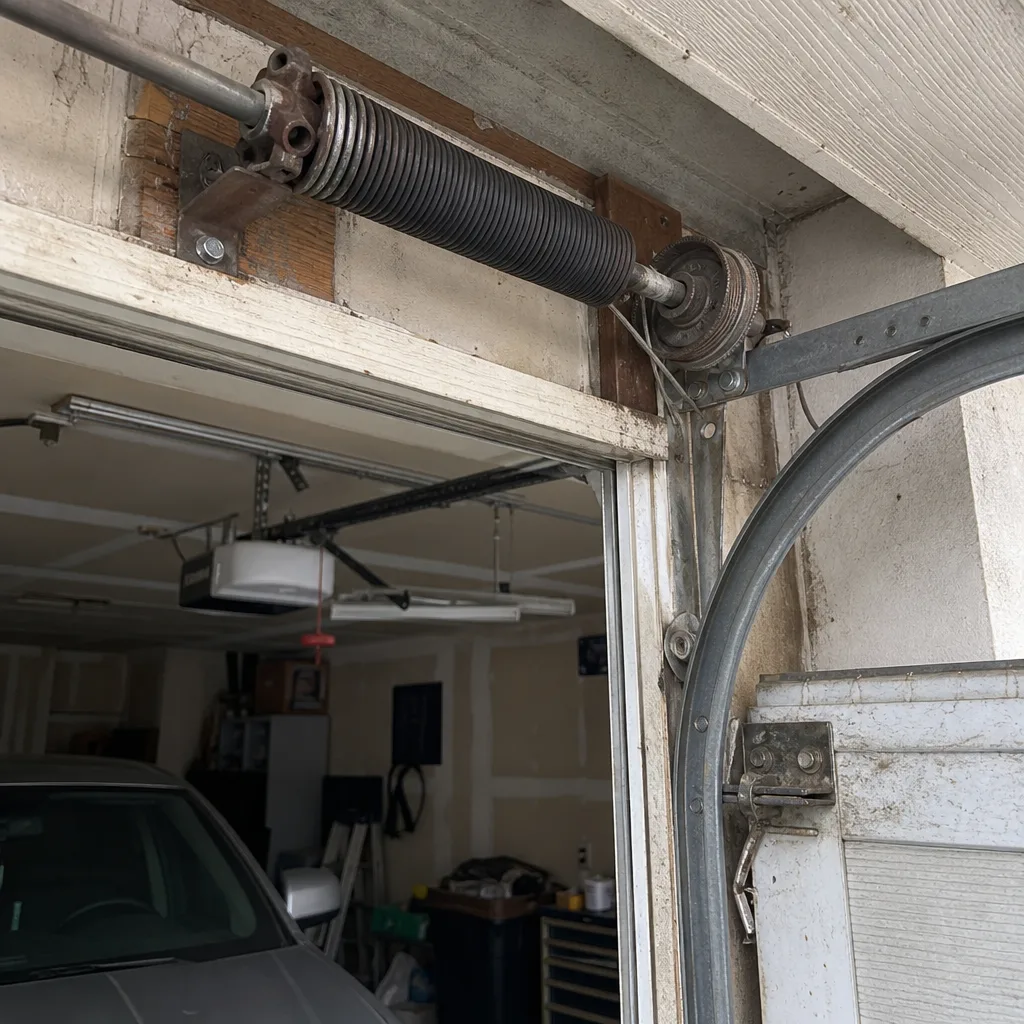 Before
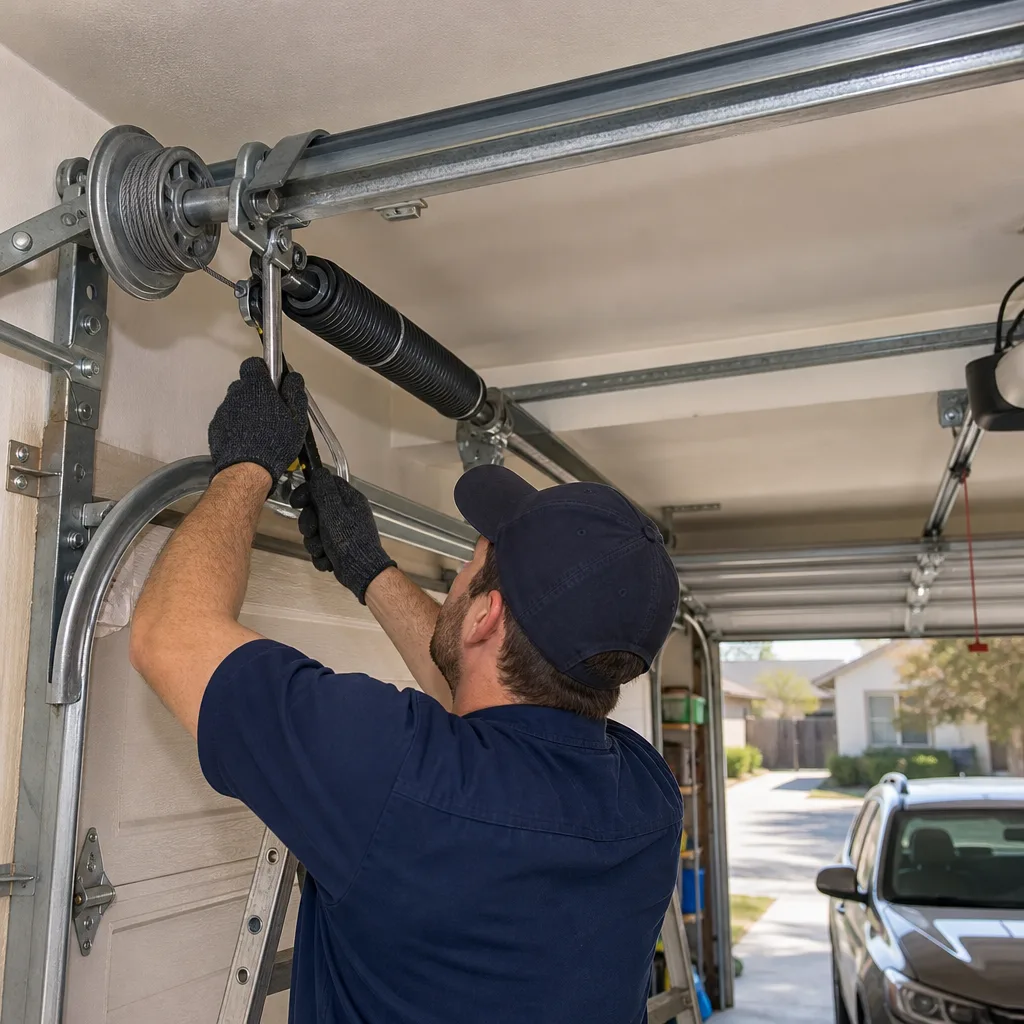 After
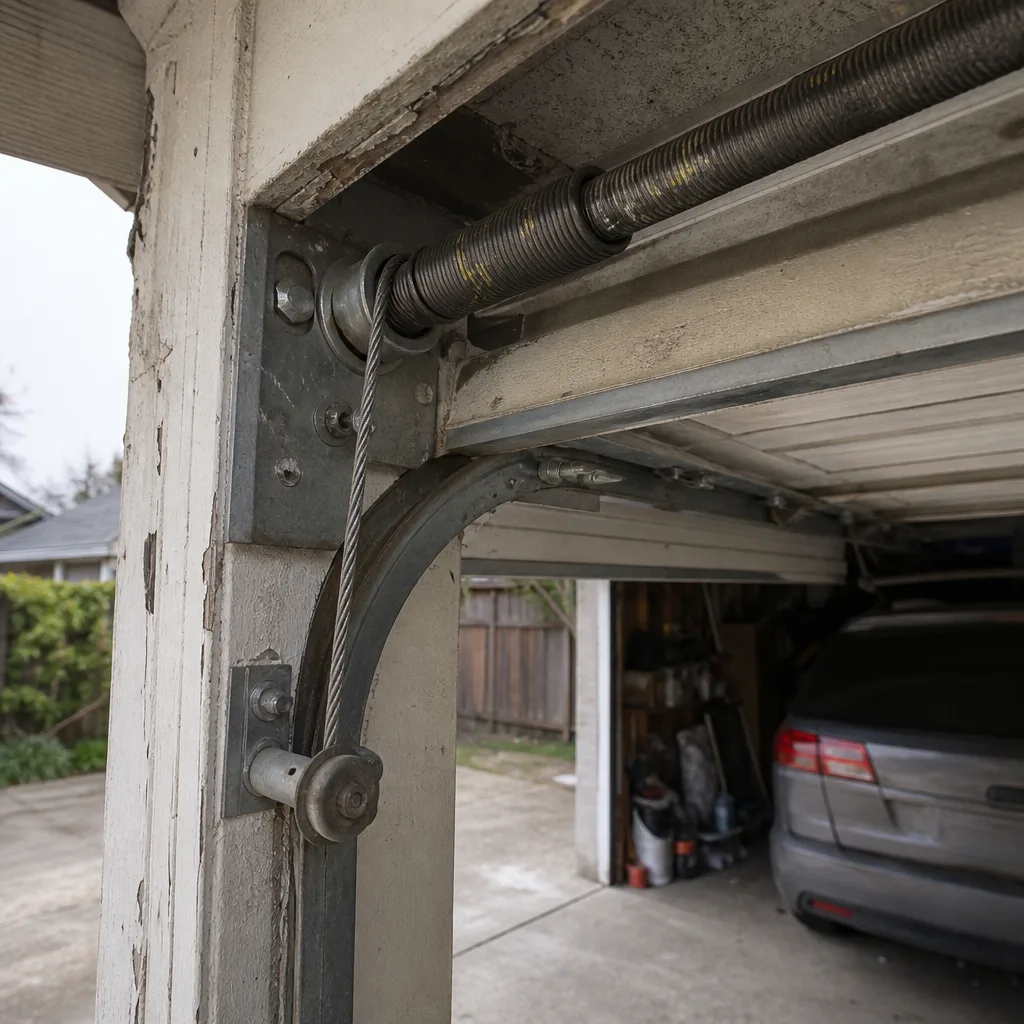 Before
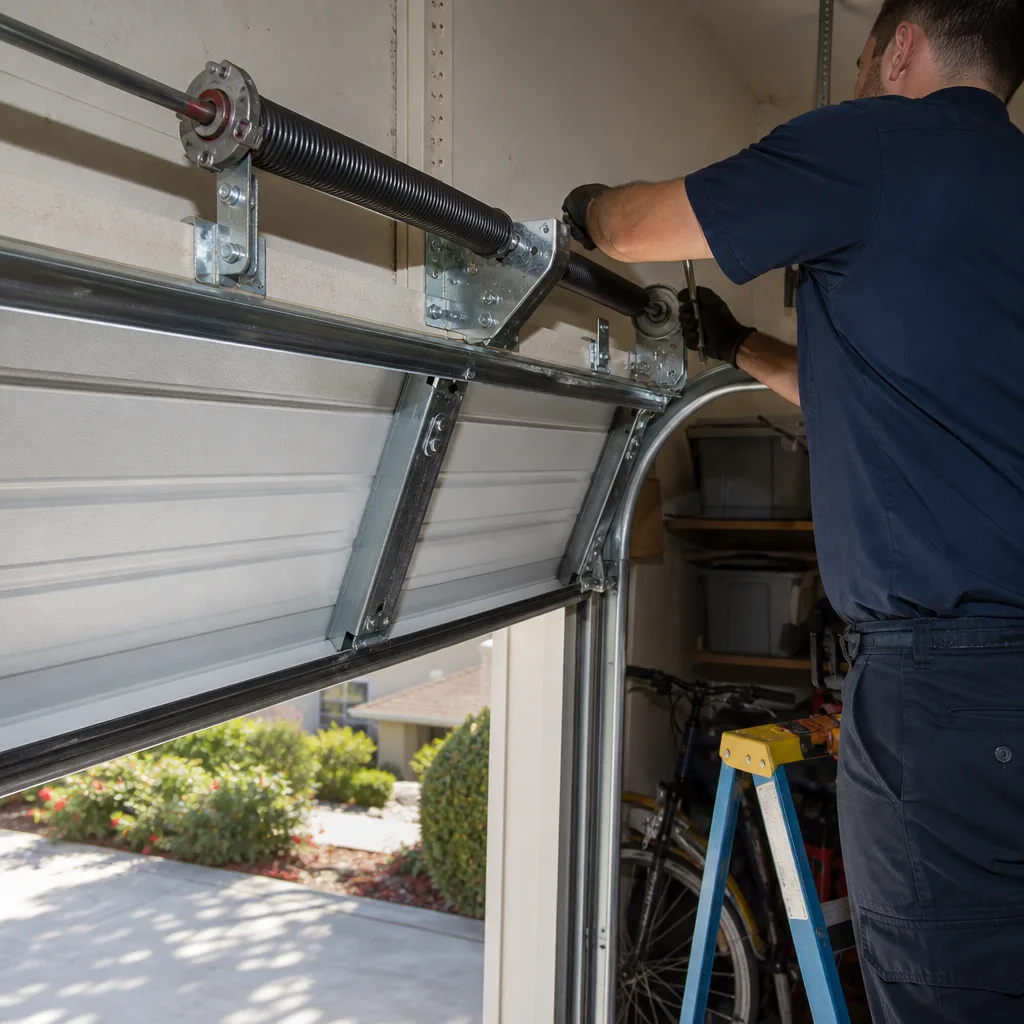 After
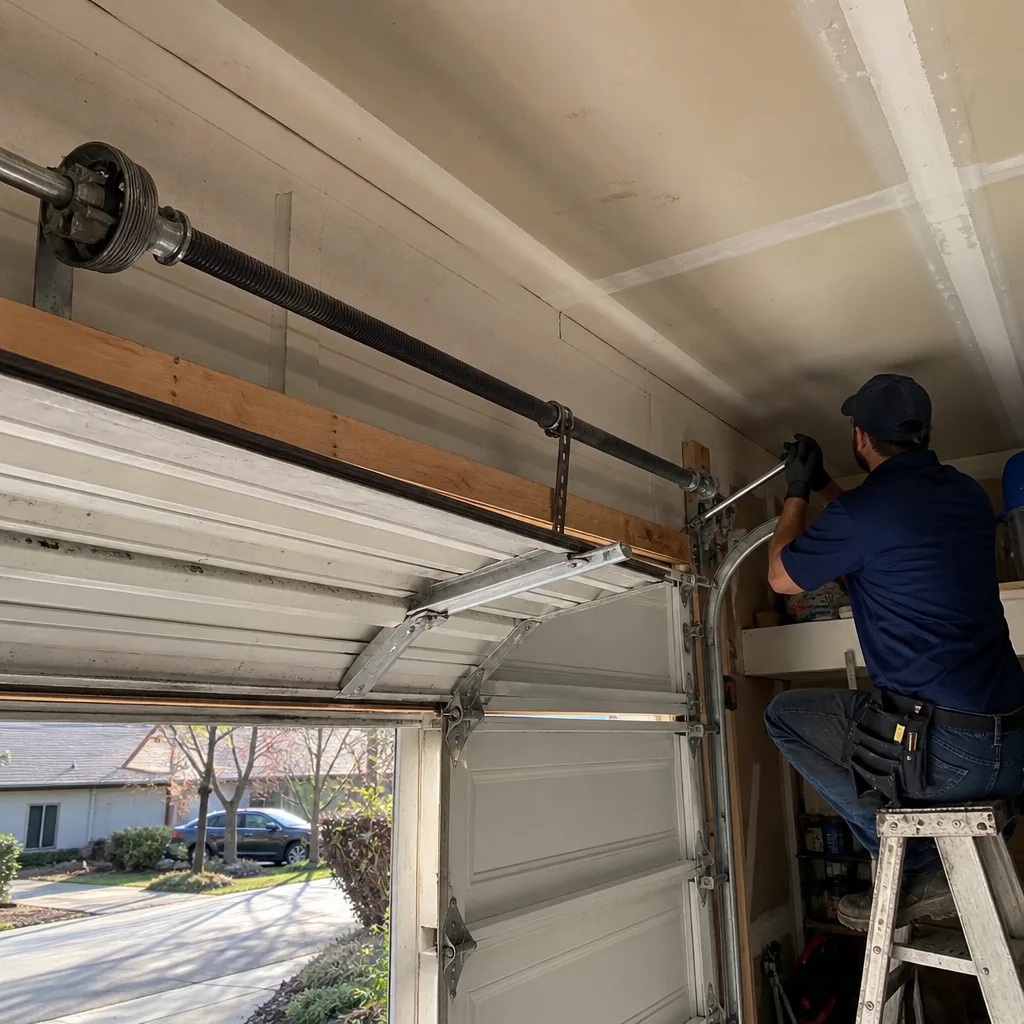 Before
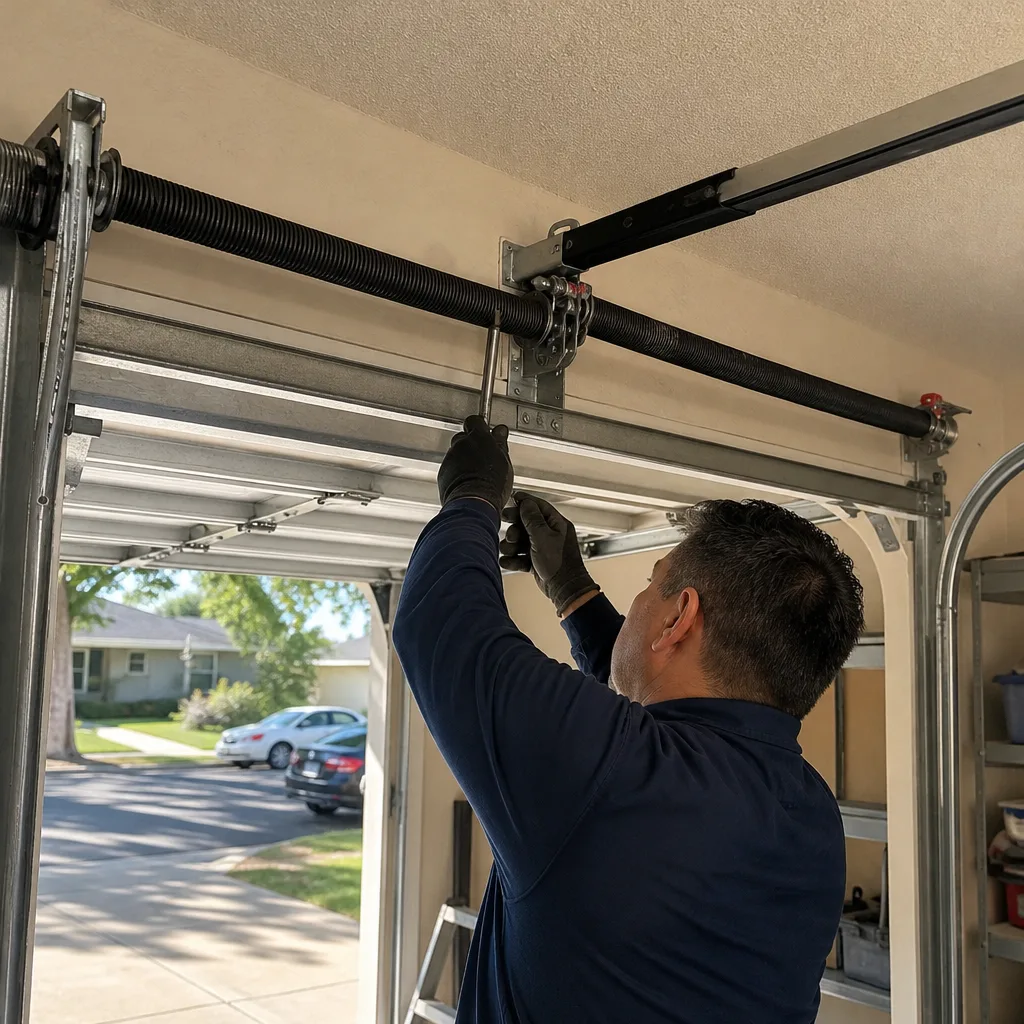 After
When to Call a Professional
Some garage door problems are safe to diagnose on your own, but several require a trained technician. If your torsion spring breaks, do not attempt to replace it yourself – the tension involved can cause serious injury. The same warning applies to cables that have come off the drum or a door that has jumped its track. These are not weekend projects. If your opener is making grinding or straining noises, or if the door is visibly crooked, shifting, or binding, a professional can diagnose the issue and fix it before it becomes a larger failure. Lionheart Garage Door Repair offers free estimates in Sacramento. Call (855) 758-6556 and we’ll pinpoint the problem, give you a clear price, and get the door operating safely again.
Frequently Asked Questions
Standard torsion springs in Sacramento typically last 6 to 8 years with average use, while high-cycle springs (rated for 20,000 cycles or more) can last 10 to 15 years. The heat in Sacramento shortens spring life compared to mild climates, so if your springs are in that range and you notice any signs of fatigue, a replacement is likely due. Call (855) 758-6556 for a free spring inspection.
For most Sacramento homes, a 26-gauge steel door with a factory-applied finish offers the best balance of durability, heat resistance, and price. Composite doors are a good choice for west-facing openings in direct afternoon sun, as they absorb less heat and resist warping better than thinner steel or wood.
Sacramento’s temperature and humidity swings cause metal and plastic components to expand and contract on a daily basis. Noise that appears in summer is often thermal expansion of the track or hinge components, while winter noise can come from condensation-related corrosion or binding. A seasonal lubrication and hardware check usually quiets it down.
Yes. Even minor tremors can loosen track brackets and shift the door’s position slightly. The problem often reveals itself as grinding, scraping, or uneven gaps at the door edge. A professional alignment check is worthwhile after any noticeable shaking in the Sacramento area.
Spring replacement costs vary by door weight and spring type, so we quote the exact price after inspecting the door. What we can tell you: we give a firm quote before any work begins, and the price won’t change once we get started. Call (855) 758-6556 and we’ll get you a number quickly.
If the door panels, tracks, and springs are in good condition, replacing only the opener is often the smartest move. We diagnose first and recommend replacement only when a repair won’t solve the problem. Many Sacramento homes need a new opener years before they need a new door, especially if the original opener was a builder-grade model.
The Bottom Line
Sacramento garage doors live a harder life than most. The combination of extreme summer heat, overnight condensation cycles, and occasional seismic movement means the standard national advice doesn’t apply cleanly here. The smartest thing any Sacramento homeowner can do is understand the local failure patterns: heat-fatigued springs, corrosion from moisture swings, builder-grade openers that strip early in newer subdivisions, and alignment drift after tremors. With the right materials, proper spring sizing, and seasonal maintenance, a garage door in this city can serve reliably for 15 to 20 years. When something does go wrong, the fix starts with an accurate diagnosis. We work on every major brand, including LiftMaster, Chamberlain, Genie, Clopay, Amarr, Wayne Dalton, Craftsman, and Raynor, and our default position is repair first. One call, one crew. Call Lionheart Garage Door Repair at (855) 758-6556 for a free estimate, and we’ll tell you exactly what’s wrong and what it costs to fix before we turn a single wrench.
Written by the team at Lionheart Garage Door Repair, serving Sacramento since 2017.