
Last updated October 31, 2026
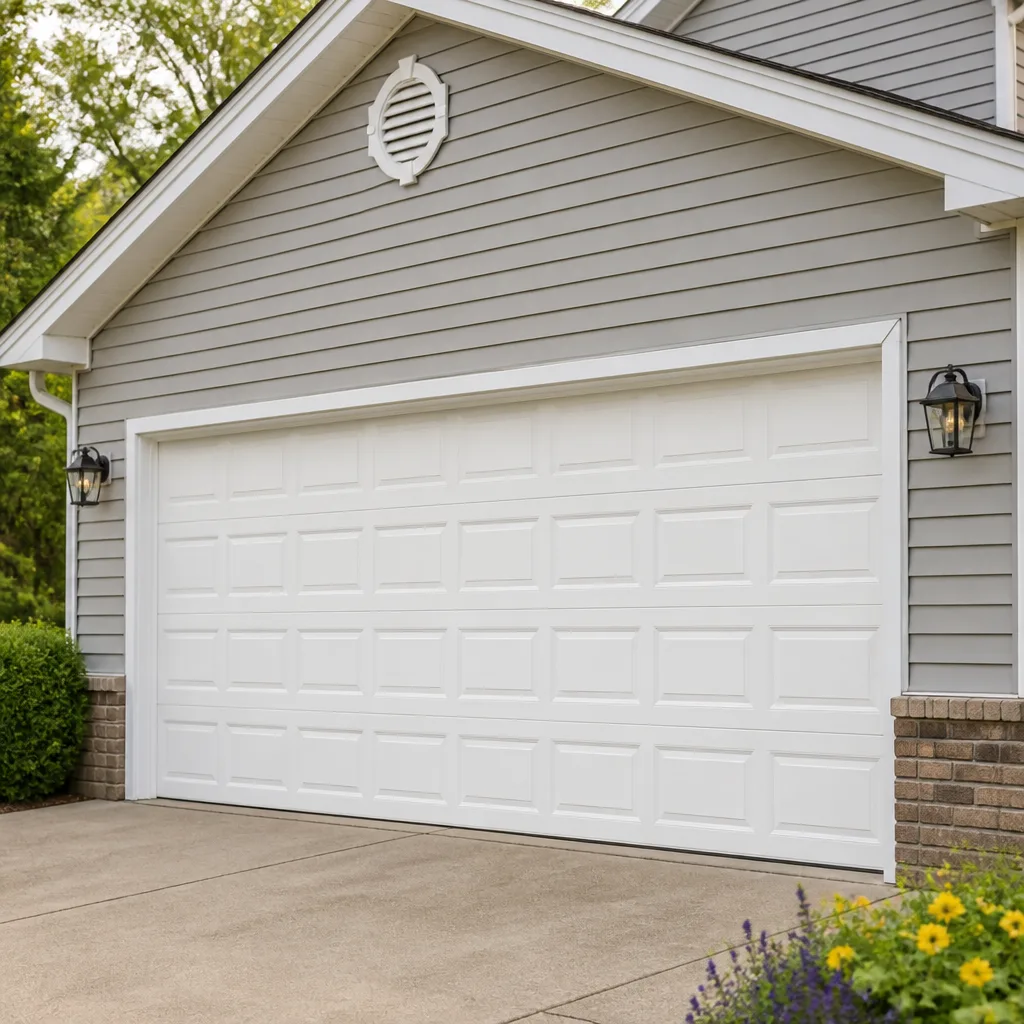 Raised-panel steel
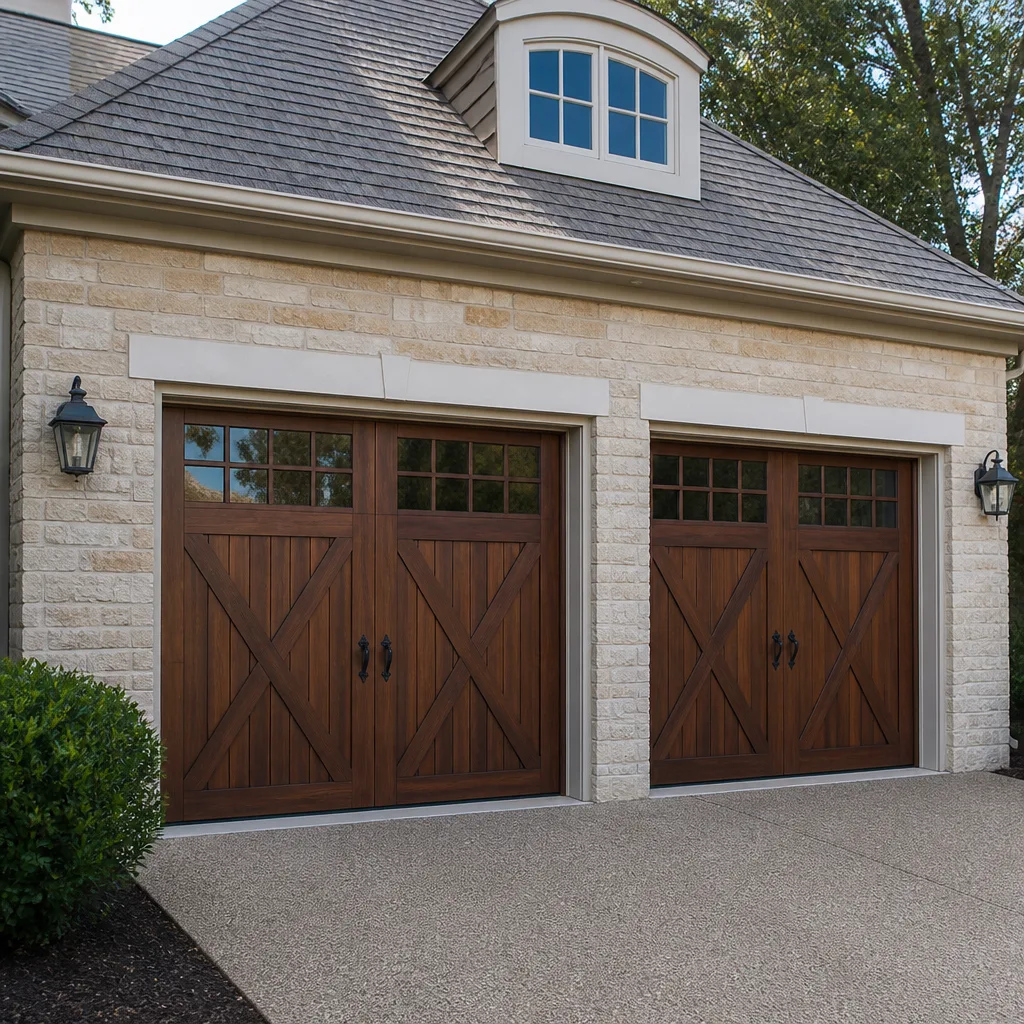 Carriage house
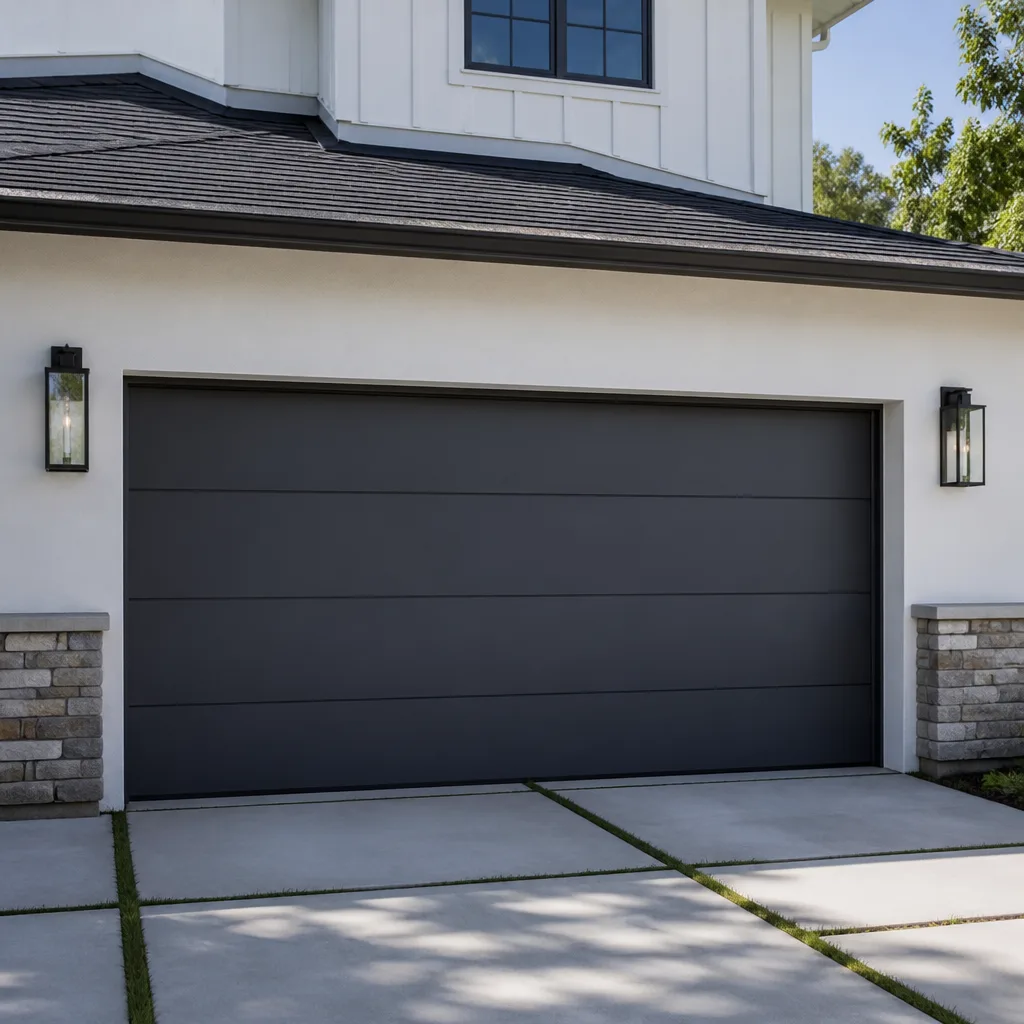 Modern flush
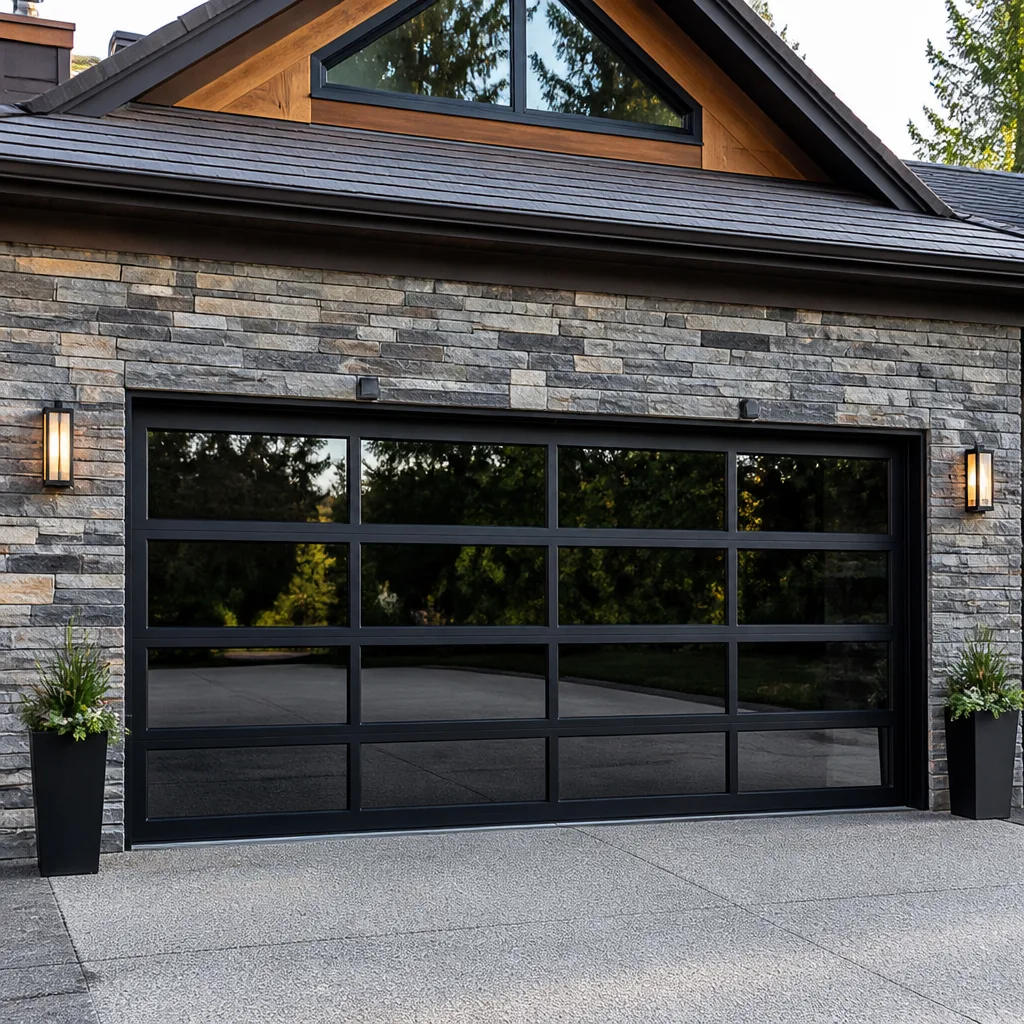 Full-view glass
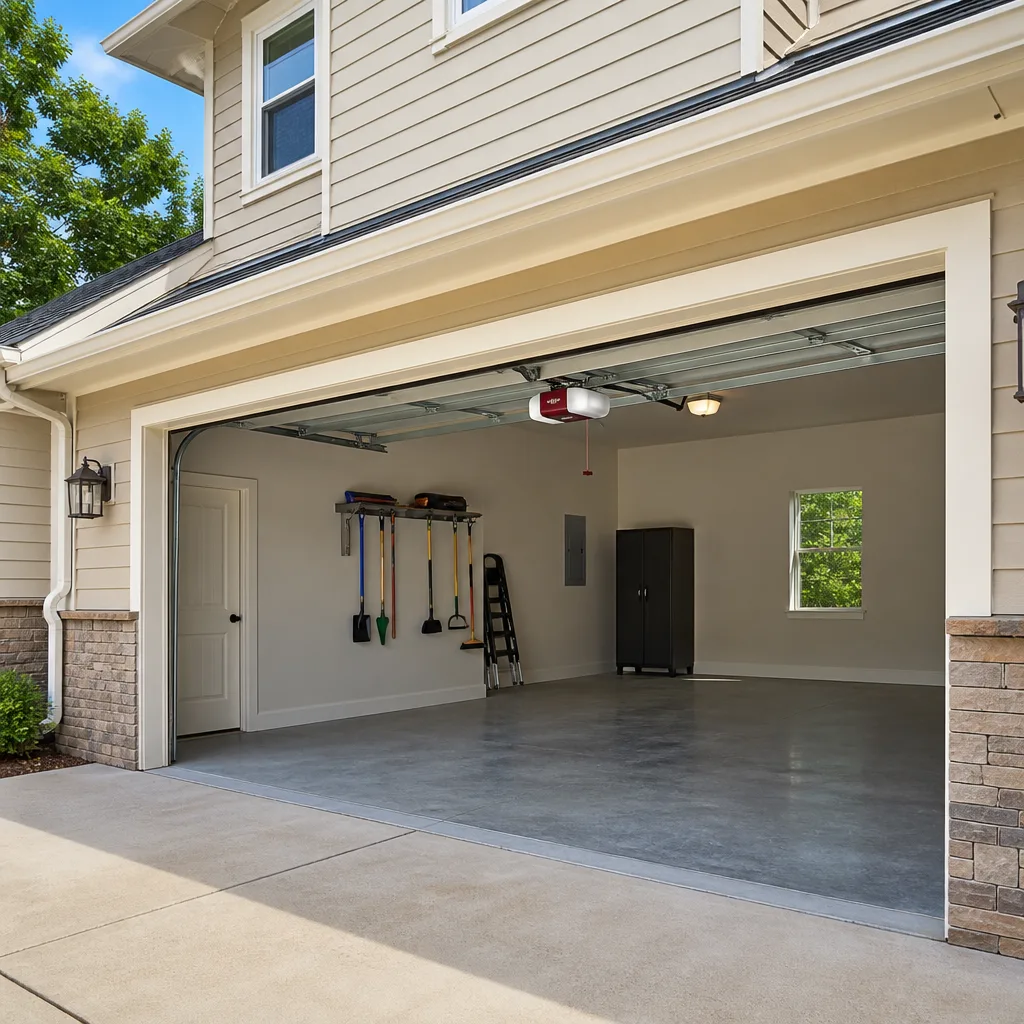 LiftMaster openers
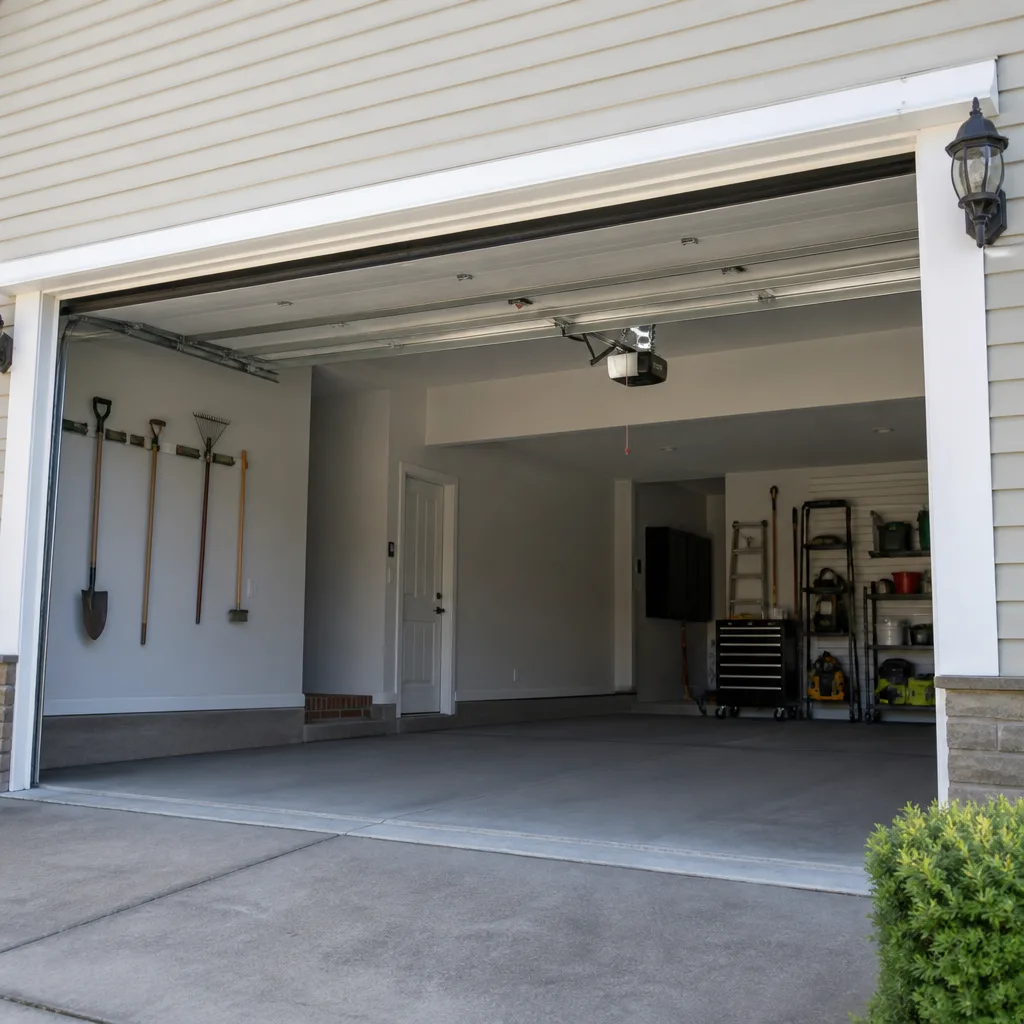 Chamberlain openers
Full 25-point door and opener safety check with every visit - springs, cables, rollers, tracks, and your LiftMaster or Chamberlain opener included
You get a price before we start. It does not change when the truck arrives.
Get your free estimateThe Complete Garage Door Repair Guide for Sacramento Homeowners
Your garage door is the largest moving object in your home, and in Sacramento, it lives in an environment that punishes every component it has. A door installed in January and a door operating in July are, from a materials standpoint, two different machines. The spring that lifted your door easily in February is carrying a heavier, thermally expanded panel by the time the Delta breeze gives way to triple-digit heat. This guide explains what actually fails on Sacramento garage doors, why it fails in the order it does, and what you can safely handle versus what should stop you in your tracks. For DIY vs Professional Garage Door: The Sacramento Homeowner’s Decision Guide, see our dedicated breakdown.
Styles & brands we work with
Quick Answer
Garage door repair in Sacramento typically involves one of four failures: broken torsion springs, stripped opener gears, warped or misaligned tracks, and degraded weatherstripping from valley heat. Most repairs cost between $150 and $400 for common fixes, with spring replacement running $200 to $350 including parts and labor. Anything involving torsion springs, cables under tension, or a door off its tracks warrants a professional, not a YouTube tutorial.
Table of Contents
- Why Sacramento’s Climate Breaks Garage Doors Differently
- The Four Most Common Garage Door Failures in Sacramento
- Understanding Spring Systems: Torsion vs. Extension
- Garage Door Opener Problems and What They Mean
- What’s DIY-Safe and What’s Genuinely Dangerous
- A Seasonal Maintenance Calendar for Sacramento
- How to Document Your System Before You Need a Repair
- Common Mistakes to Avoid
- When to Call a Professional
- Frequently Asked Questions
- The Bottom Line
Why Sacramento’s Climate Breaks Garage Doors Differently
Sacramento sits in a valley that swings from overnight lows in the 30s to summer afternoons above 105°F. That’s a 70-degree temperature spread across a single year, and your garage door feels every degree of it. Steel expands and contracts. Vinyl weatherstripping embrittles in sustained heat. Grease inside your opener’s gear housing thins in summer and thickens in winter. A garage door in, say, coastal San Diego lives an easy life by comparison. Ours works harder.
The single most overlooked factor is thermal expansion of the door panels themselves. A 16-foot steel door can expand by roughly 1/8 to 1/4 inch between a February morning and a July afternoon. That does not sound like much until you realize it changes how much force the springs must counter. A spring tensioned perfectly in February is slightly under-tensioned by August. Not enough to fail on its own, but enough to put extra strain on the opener motor, the cables, and the spring’s own lifespan. This is why we see spring failures cluster in summer and early fall across Sacramento neighborhoods, from Land Park to Natomas. The failure actually began six months earlier.
Heat also does specific things to weatherstripping. The bottom seal, which contacts the concrete slab, bakes in reflected heat from driveways and garage floors. By year three or four in Sacramento’s climate, most bottom seals have hardened into something closer to plastic than rubber. Once that happens, the seal no longer compresses against the floor, and you start seeing dust lines, pests, and a noticeable temperature difference inside the garage.
The Four Most Common Garage Door Failures in Sacramento
In our experience working across the Sacramento area, the vast majority of service calls fall into four categories. Knowing which one you are dealing with saves time and gives you an idea of whether a repair makes sense or a replacement is more honest.
1. Broken Torsion or Extension Springs
Springs do the heavy lifting. They counterbalance the weight of the door so a small opener motor can move it at all. Torsion springs, mounted horizontally above the door opening on a metal shaft, are standard on modern installations. Extension springs, mounted on either side of the track, are more common on older Sacramento homes from the 1950s through the 1980s. Both fail eventually because they fatigue with every cycle. A spring rated for 10,000 cycles will last about seven to nine years in a household that opens the door three to four times daily. When one snaps, the door either will not open or opens only a few inches.
2. Opener Gear Failure
The plastic drive gear inside most residential openers wears down over time. In Sacramento’s heat, the factory grease inside the opener housing migrates and thins, which accelerates wear on those gears. The common symptom is a humming motor that runs but does not move the door, or a door that moves with a grinding sound. This is an opener repair issue, not a door issue, and it often makes sense to repair rather than replace the entire unit. A garage door opener repair in Sacramento focused on the gear train can restore function for a fraction of replacement cost.
3. Track Misalignment and Roller Failure
The vertical and horizontal tracks that guide your door depend on the wall and ceiling staying put. In Sacramento, newer homes on the outskirts of the city in areas like Folsom or Elk Grove often settle slightly in their first decade. That movement pulls tracks out of alignment. Rollers, especially nylon rollers with bearings, wear out. A door that shakes, shudders, or scrapes as it moves is usually a track or roller problem. Left untreated, it destroys the panels and bends the tracks.
4. Degraded Seals and Warped Panels
Sacramento’s summer sun does not just heat the air. It beats directly on west-facing and south-facing garage doors for hours each afternoon. Uninsulated steel doors absorb that heat, and panels can warp, particularly on doors with dark paint colors. Bottom seals and side seals harden in the heat and crack in the winter cold. A warped panel is often a replacement-level repair, but degraded seals are cheap, quick, and preventive.
Understanding Spring Systems: Torsion vs. Extension
If you understand nothing else about your garage door, understand the springs. They are not optional hardware. They are the primary lifting mechanism. The opener is secondary. When a spring fails, the opener is not strong enough to lift the full weight of the door, and attempting to force it can burn out the opener motor in minutes.
How to Identify Your System
Stand inside your garage with the door closed and look up. If you see a metal shaft running horizontally above the door with one or two coiled springs wrapped around it, you have a torsion system. That is what is on most post-1990 Sacramento homes. If instead you see long springs stretching along the horizontal track on each side of the door, you have an extension system.
Torsion springs live above the door, centered on a shaft. They wind and unwind to store energy. Extension springs stretch and contract. Both systems are under enormous tension, and both are dangerous to work on without the right tools and training. A torsion spring that lets go under winding can break a jaw or an arm. We do not say that to scare you. We say it because Sacramento emergency rooms treat garage door spring injuries every year, and the victims are almost always homeowners who thought the repair looked straightforward.
Spring sizing matters. A spring is rated by wire gauge, inside diameter, length, and wind direction. Sacramento homes with heavy wooden doors or wide double doors need different springs than tract homes with lightweight steel Clopay panels. If a technician arrives and swaps in a spring “that looks about right” without measuring the old one, you are getting a guess, not a repair. Proper spring replacement means matching the exact specifications, then setting the tension so the door balances at any point in its travel.
Garage Door Opener Problems and What They Mean
Garage door openers fail in predictable ways, and most of those failures live in the opener head itself, not the rail or the buttons. Here is what the symptoms are telling you.
- Motor hums, door does not move: The drive gear inside the opener head is stripped. This is the single most common opener failure, and it is repairable. The gear is a sacrificial plastic part designed to fail before the motor does.
- Door begins moving, then reverses: The force settings or travel limits are out of adjustment, or the door is binding. Heat can affect the RPM sensor, especially on older Chamberlain units. Start with the safety sensors if there are objects in the beam path.
- Remote and wall button both dead: The logic board has failed. On popular models like LiftMaster and Genie, board replacement is straightforward, but on older units replacement may be the smarter call.
- Door opens but does not close: The safety sensors, often misaligned or blinded by direct Sacramento sun, are the usual suspects. Direct morning sun on the sensor lens can overwhelm the infrared signal and cause the opener to think there is an obstruction.
- Door closes then immediately opens: Travel limits set too low, or sensor misalignment. One of the most common calls we get in summer, when heat expands the door and changes the contact point.
If your opener is a name brand like LiftMaster, Chamberlain, or Craftsman, the parts path is well documented and most repairs are straightforward for an experienced tech. The decision to repair versus replace comes down to unit age and motor condition. A ten-year-old opener with a stripped gear may be worth repairing. A twenty-year-old opener with a failed logic board is a candidate for replacement. We lean toward repair when the motor and rail are still sound, and we will tell you when replacement is the honest answer.
What’s DIY-Safe and What’s Genuinely Dangerous
There is a line between maintenance you should do yourself and repair work that belongs to a professional. That line is real, and crossing it in the wrong direction is how people get hurt. Here is where we draw it.
DIY-safe maintenance tasks:
- Lubricating rollers, hinges, and tracks with a silicone-based spray or white lithium grease
- Tightening loose bolts and screws on the track brackets and hinges
- Replacing the bottom weatherstripping seal
- Cleaning and aligning the safety sensor lenses
- Testing the auto-reverse function with a piece of wood or a rolled towel
Call a professional for anything involving:
- Torsion or extension springs. The tension in a wound torsion spring is enough to kill. There is no safe DIY version of this repair. Period.
- Cables. Lift cables run alongside the door and carry enormous tension. If you see a frayed cable, do not touch it, do not operate the door, and do not attempt to remove the cable yourself.
- A door off its tracks. A door that has jumped a track weighs 150 to 400 pounds and is unpredictably balanced. The risk of it falling during a repair attempt is high.
- Opener gear or logic board replacement. The opener head contains a capacitor that holds a charge even when unplugged. A shock from that capacitor is unpleasant at best.
If you are not sure, the default answer is simple: call someone who is. A garage door repair in Sacramento call costs less than an emergency room visit, and the technician arrives with the right tools and the right springs on the truck.
A Seasonal Maintenance Calendar for Sacramento
Generic maintenance advice says “service your door in spring and fall.” Sacramento is not generic. Our weather has two stress peaks: extreme summer heat and rainy winter storms. Here is a maintenance rhythm that matches the actual seasons in our valley.
April: Pre-Heat Check
- Lubricate all moving parts: rollers, hinges, torsion spring coils, and the opener chain or belt.
- Check the bottom seal for cracks or hardening. If it feels rigid instead of pliable, replace it before the heat arrives.
- Test the auto-reverse force. The door should reverse when it meets resistance near the floor.
- Wipe down and align safety sensors. Direct sun angles shift in spring, which affects sensor alignment.
July: Peak Heat Vigilance
- Listen for changes in door sound. Heat-expanded panels put extra strain on springs and motors.
- Check for gaps at the top and sides of the door. If the door is not sealing evenly, the panels may be expanding or the tracks may be shifting.
- Watch for a door that closes then reverses. This is the heat adjusting the door’s contact point, and it means travel limits need attention.
October: Pre-Rain Preparation
- Replace any weatherstripping that cracked during the summer. Rain will find those cracks.
- Tighten all track brackets. Moisture plus loose hardware accelerates alignment problems.
- Test the door balance by disconnecting the opener and lifting the door manually. It should stay open about three to four feet off the ground with no help.
- Check for rust on cables and springs. Surface rust is normal in Sacramento’s dry summer, but rust that flakes is a sign of metal fatigue.
January: Wet Season Inspection
- Check for water streaks inside the garage, especially along the floor under the door.
- Test the opener’s force settings after cold weather settles in. Cold grease makes the motor work harder.
- Inspect rollers for wobble. Nylon rollers with worn bearings cause the door to rock side to side.
How to Document Your System Before You Need a Repair
The most helpful thing a Sacramento homeowner can do is simple: know what you have before you need to explain it on the phone. When a technician arrives with the right parts on the truck, the repair happens in one visit instead of two. Here is what to write down and keep in a note on your phone or taped inside the garage door jamb.
- Brand and model of the door: Look for a manufacturer sticker on the inside of the door, usually on the side edge of a panel. Clopay, Wayne Dalton, and Amarr are common in Sacramento tract homes.
- Brand and model of the opener: The sticker is on the opener head itself. Write down the brand name (for example, Raynor or Chamberlain) and the model number.
- Spring specifications: If the springs are visible, photograph the painted or etched markings on the spring cone. The cone usually carries color codes or stamped numbers that identify the spring’s exact specs.
- Door size and material: Height and width, and whether the door is steel, aluminum, or wood. This helps with panel matching and spring sizing.
- Age of installation: If you know when the door and opener were installed, write it down. If you just moved in, check whether permits were pulled with the city of Sacramento. That record sometimes carries install dates.
When you call a repair company, this information changes the conversation from “there’s something wrong with my door” to “I have a Clopay steel double door with a LiftMaster opener and a single torsion spring that broke.” That second version lets the tech arrive prepared, which means less waiting and fewer surprise delays.
For more help from our team, you can start at the Lionheart Garage Door Repair home page for a full overview of what we do and the areas we serve.
Common Mistakes to Avoid
- Forcing the door open with the opener after a spring breaks. The spring counterbalances the door. Without it, the opener strains against the full weight and can burn out in minutes. When you hear a loud snap followed by a door that will not budge, stop pressing the button.
- Spraying WD-40 on everything. WD-40 is a solvent, not a lubricant. It displaces moisture and removes grime, but it does not provide lasting lubrication. Use a silicone-based garage door lubricant or white lithium grease on moving parts.
- Ignoring a noisy door for years. A door that rattles or grinds is telling you something. The longer it runs in that condition, the more parts wear. A $20 roller replacement ignored for two years becomes a $400 track and roller job.
- Replacing the opener when the springs fail. This happens more often than it should. The opener motor works fine. The springs are broken. Replacing the opener does nothing to fix a spring failure, and now you have a new opener on top of a door that still will not lift.
- Trying to save money by installing a mismatched spring. A spring that is the wrong size or tension will work, briefly, and then destroy the opener or the door. Spring sizing is an exact science, not a guessing game.
- Forgetting about the garage door entirely until it stops working. Sacramento’s heat is a slow killer. Annual maintenance, especially before summer and before winter rain, extends the life of every component by years.
When to Call a Professional
Call a professional any time you are dealing with springs, cables, a door off its tracks, or a repair you have not done before. The cost of a service call is predictable. The cost of an injured hand, a crushed vehicle, or a door that falls on a family member is not. We work on the door you already own rather than steering you toward whatever is easiest to install. If you have a Raynor door or a Craftsman opener from the previous owner, we service it. We diagnose the specific failure, quote the repair, and only recommend replacement when repair is not a smart investment for your situation. At Lionheart Garage Door Repair, we handle garage door installation in Sacramento as well, but we never push a new door when a repaired one still has life in it. Call us at (855) 758-6556 for a free estimate.
Frequently Asked Questions
Most common repairs in Sacramento run between $150 and $400, with spring replacement typically costing $200 to $350 including parts and labor. Opener gear repairs usually land between $150 and $250, while track realignment runs $125 to $200. The final price depends on your specific door brand, spring configuration, and the parts required. Call (855) 758-6556 for an exact quote, which you will receive before any work begins.
In many cases, yes, especially for common failures like broken springs, stripped gears, and misaligned tracks. The limiting factor is parts availability for older or less common brands, which is why we document your system before we arrive. Call (855) 758-6556 and we will tell you honestly whether same-day service is possible for your specific situation.
You almost certainly broke a spring. When a torsion spring or extension spring snaps, it releases stored tension with a sound like a gunshot. The door will not move until the spring is replaced, and continuing to try with the opener can damage the motor. This is a professional repair. Call (855) 758-6556 and describe the sound to us.
Yes. Sacramento summers regularly exceed 100°F, and that heat causes door panels to expand, grease to thin, and weatherstripping to harden. A spring tensioned properly in winter is slightly under-tensioned in summer, which accelerates wear. Heat also causes south-facing and west-facing doors to warp if the panels are uninsulated steel.
Repair makes sense when the motor is sound and the failure is isolated to a replaceable part like the drive gear, logic board, or travel module. Replacement makes sense when the unit is past 15 years old, the rail is visibly bent, or multiple components have failed. We quote both options and recommend whichever is more honest for your unit. Call (855) 758-6556 for an assessment.
Yes. We are certified and experienced across LiftMaster, Chamberlain, Genie, Clopay, Amarr, Wayne Dalton, Craftsman, and Raynor. This matters because parts are not always interchangeable, and a technician who knows your specific system arrives prepared. We work on the door you have.
The Bottom Line
A garage door in Sacramento lives a harder life than most people realize, and the failures follow a pattern set by the valley’s climate. For the full picture, read The Complete Guide to Garage Door in Sacramento. The heat, the temperature swings, and the seasonal rain each take their turn. Springs fatigue faster. Gears strip sooner. Seals harden quicker. The homeowner who knows the pattern saves money because they catch failures early. The homeowner who documents their system saves time because the repair happens in one visit. When the repair involves springs, cables, or anything under tension, that is where the line is. Call a professional. Your door, your car, and your hands are worth the service call.
Written by the team at Lionheart Garage Door Repair, serving Sacramento since 2017. Explore more guides & resources on our blog.
See the difference
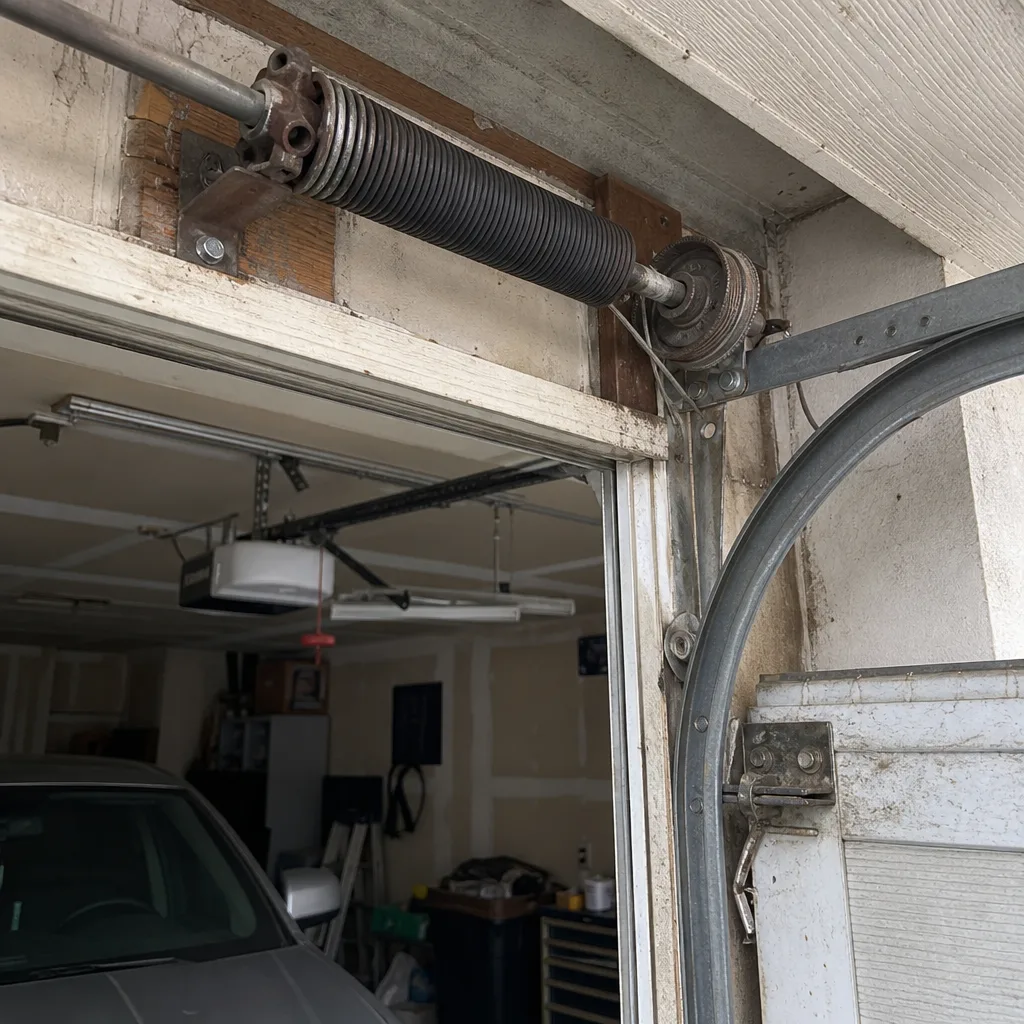 Before
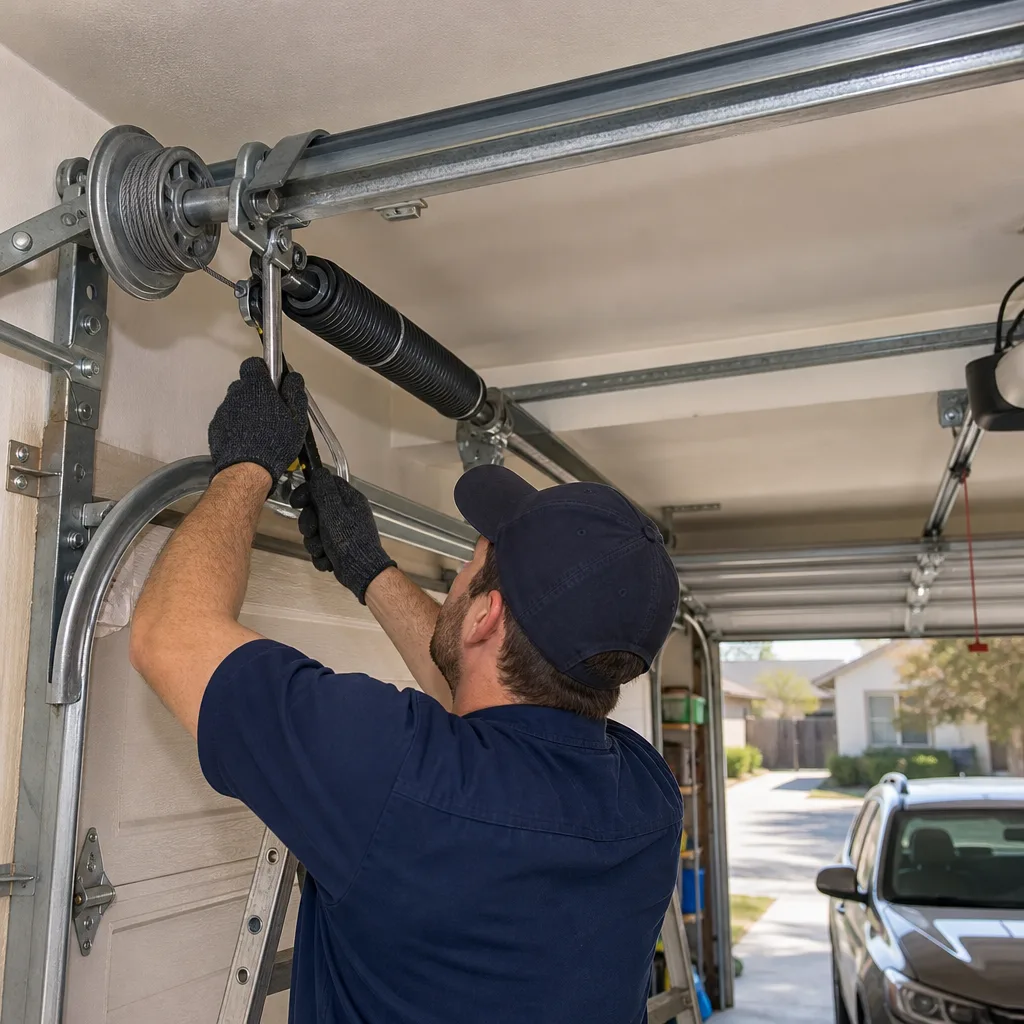 After
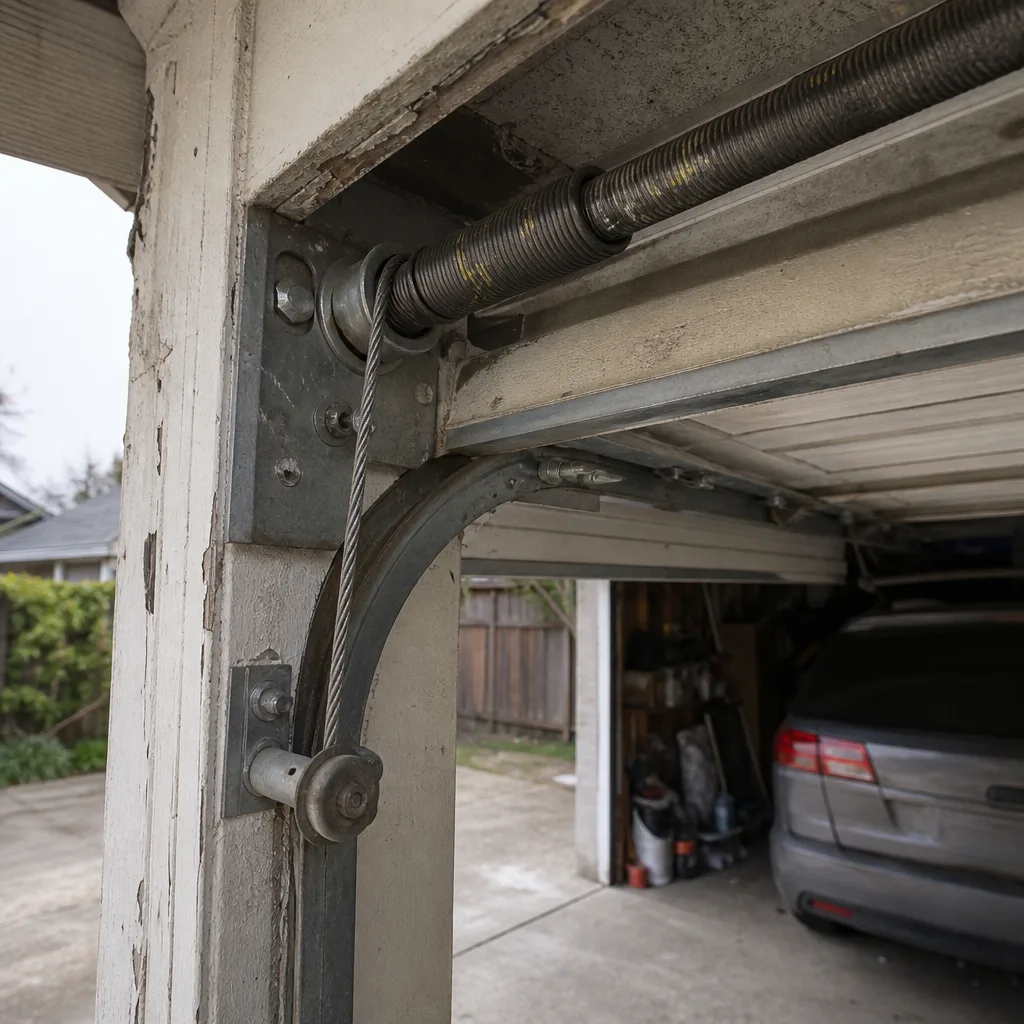 Before
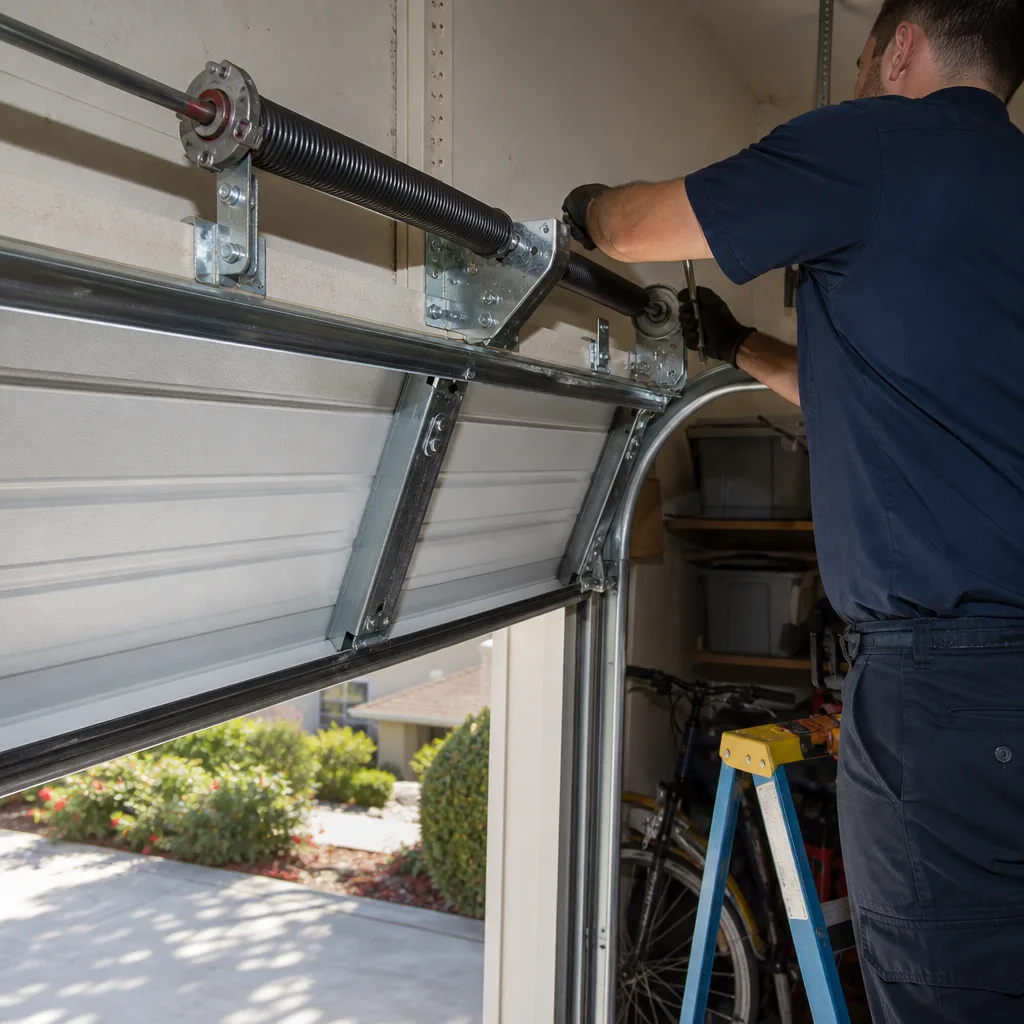 After
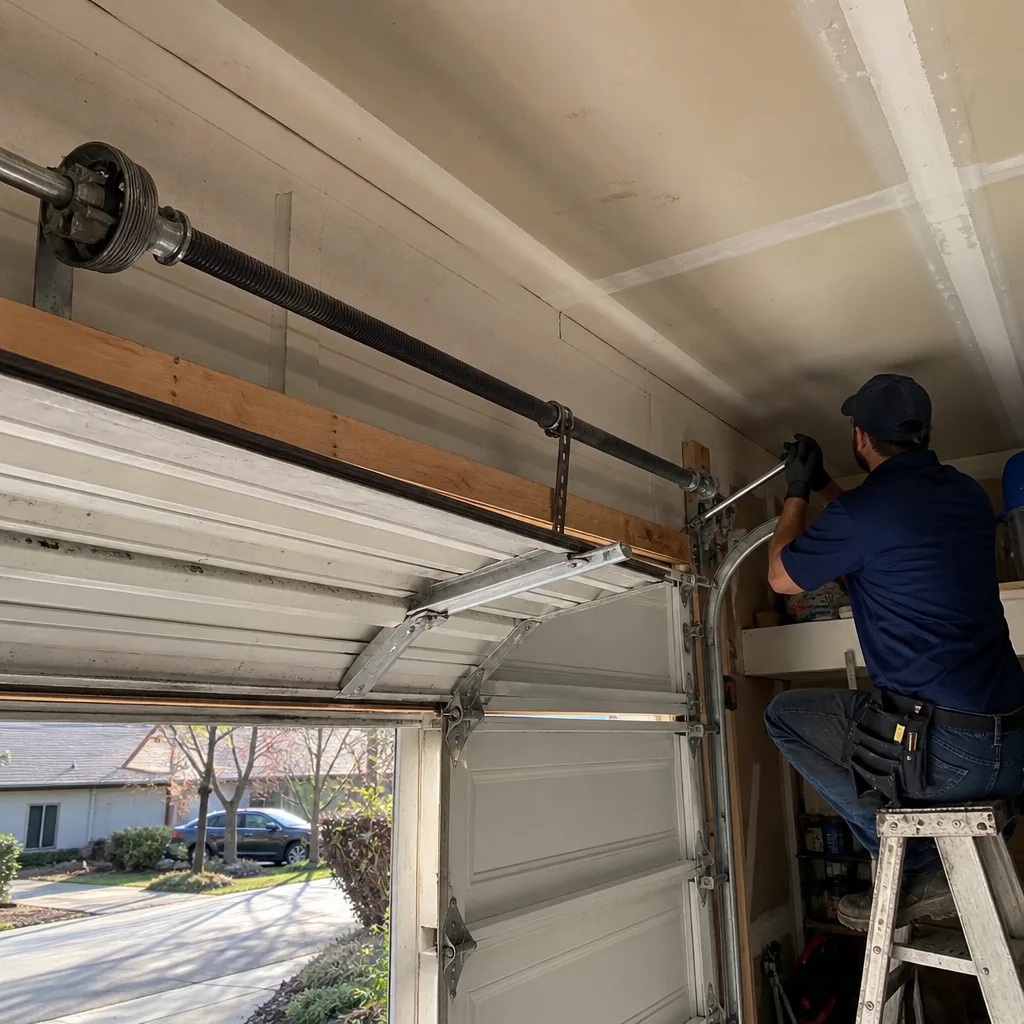 Before
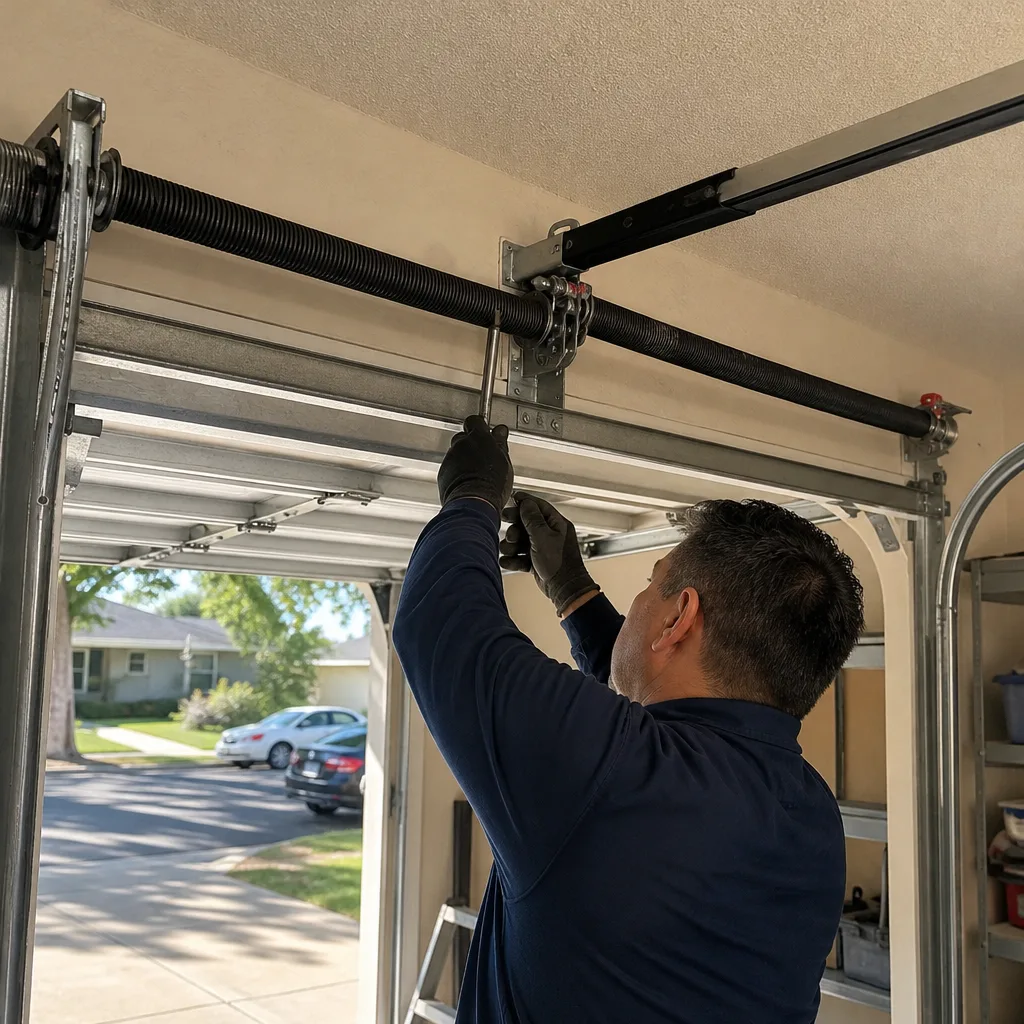 After