
Last updated October 31, 2026
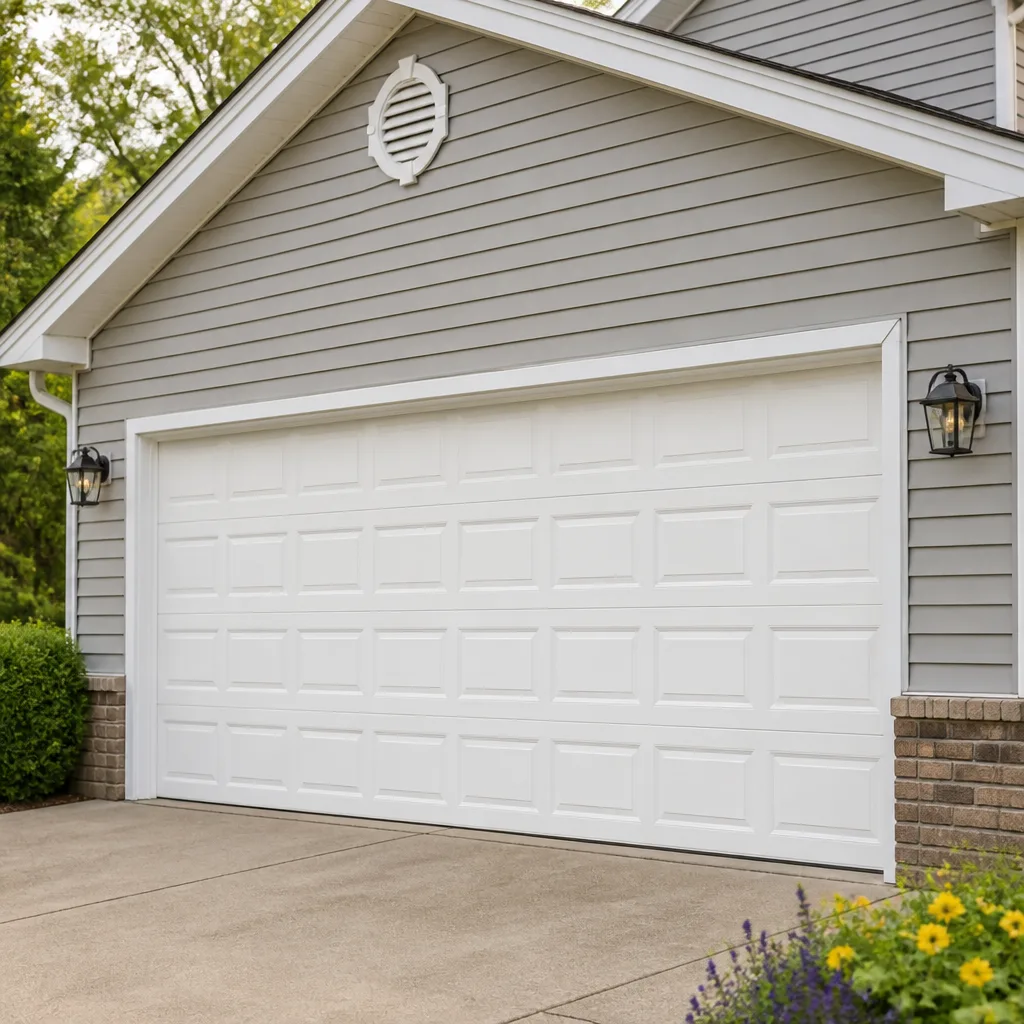 Raised-panel steel
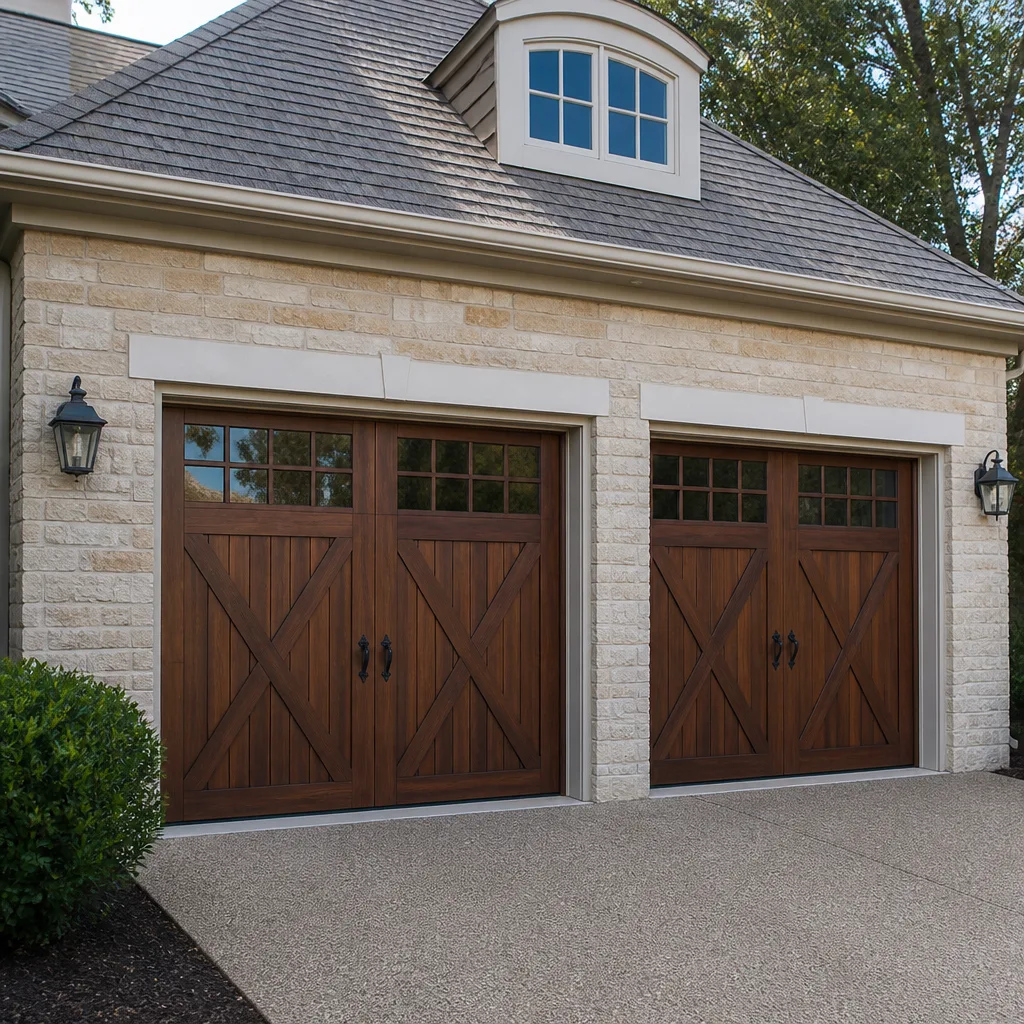 Carriage house
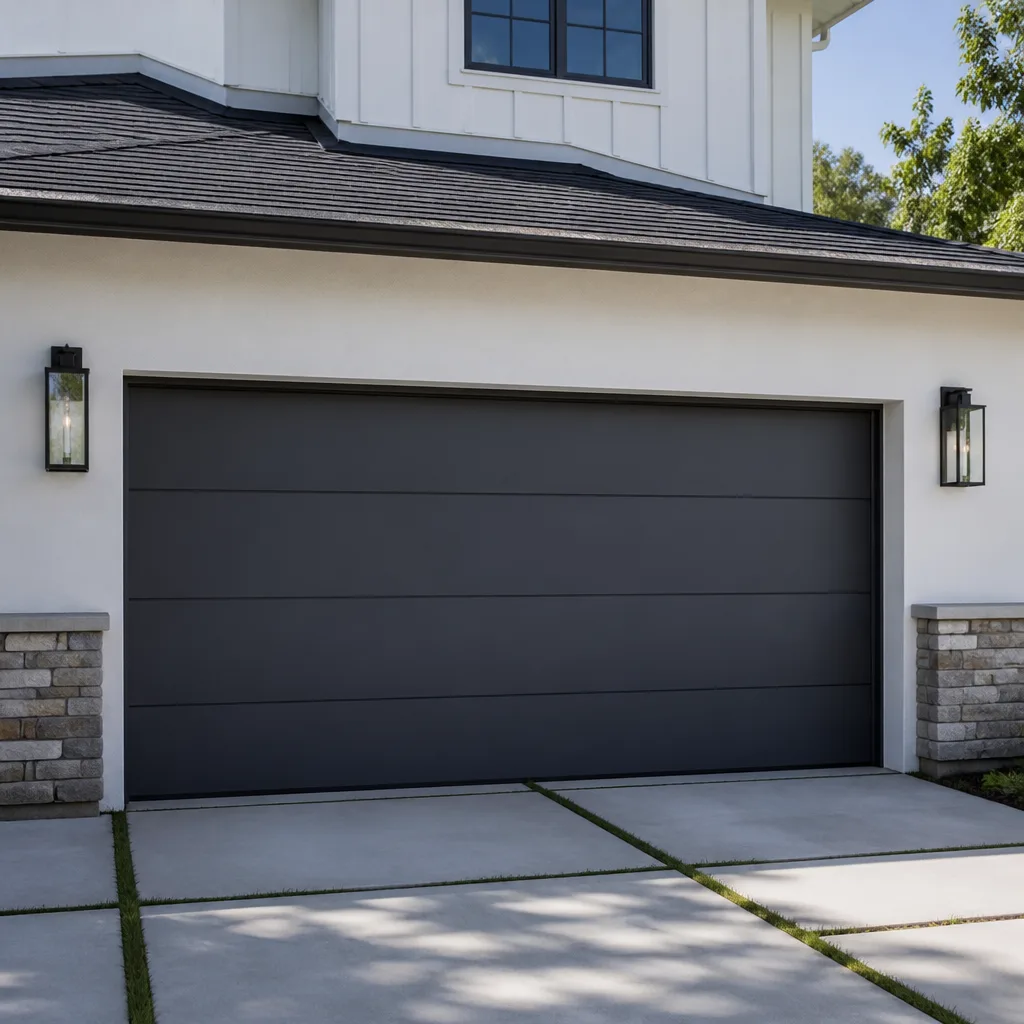 Modern flush
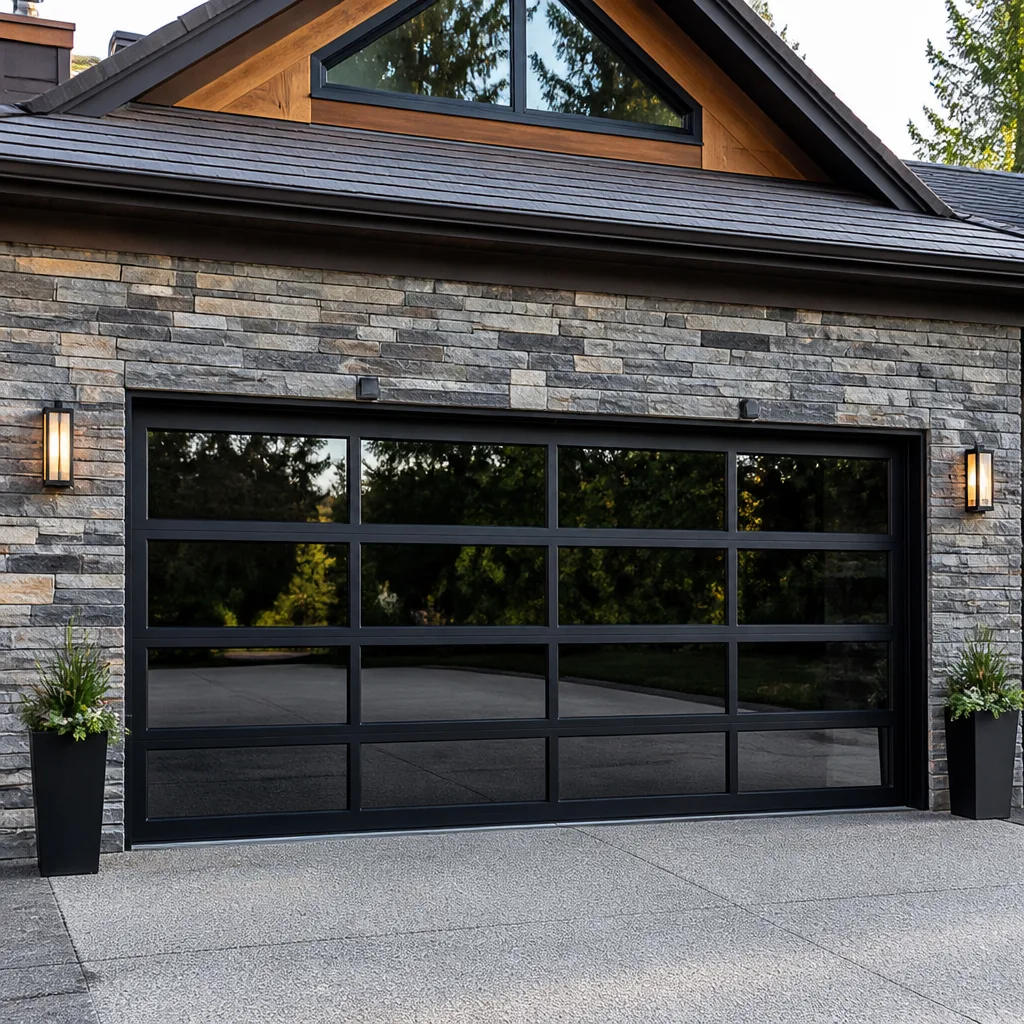 Full-view glass
 LiftMaster openers
 Chamberlain openers
Full 25-point door and opener safety check with every visit - springs, cables, rollers, tracks, and your LiftMaster or Chamberlain opener included
You get a price before we start. It does not change when the truck arrives.
Get your free estimateHow to Hire a Garage Door Contractor in Sacramento: A Step-by-Step Guide
Here’s a number most Sacramento homeowners don’t know: a garage door’s torsion spring is rated for roughly 10,000 cycles, and the average door cycles four to six times per day. Do that math and you’ll see why so many springs fail within six or seven years. The mistake most people make when hiring isn’t choosing a bad company. It’s calling the first name that pops up, describing the symptom instead of the system, and accepting a quote that sounds reasonable but doesn’t actually specify what’s being installed. This guide for Sacramento residents walks through exactly what to verify, what to ask, and what separates a precise quote from a guess.
Styles & brands we work with
Quick Answer
To hire a garage door contractor in Sacramento, verify their California contractor’s license on the CSLB website, confirm they work on your specific door and opener brand, get a line-item quote specifying parts and labor (not a single lump sum), and ask how they size springs and what cycle-rated parts they stock. A legitimate contractor will diagnose the system before pricing, explain repair versus replacement honestly, and put the full price in writing before any work begins.
Table of Contents
- Step 1: Verify the California License (90 Seconds or Less)
- Step 2: Understand What You’re Actually Hiring For
- Step 3: Compare Quotes Apples-to-Apples
- Step 4: Ask Questions That Separate Specialists From Guessers
- Step 5: Spot Sacramento Market Red Flags
- Step 6: Understand What Should Be on the Invoice
- Common Mistakes to Avoid
- When to Call a Professional
- Frequently Asked Questions
- The Bottom Line
Step 1: Verify the California License (90 Seconds or Less)
California requires a C-61 / D-28 contractor classification for garage door work to be performed legally on a residential property. That’s the specific doors, gates, and activating devices classification under the Contractors State License Board. A general building contractor (Class B) can legally perform garage door work as part of a larger remodel, but a standalone garage door repair or replacement requires the D-28. Many handyman services operating in Sacramento don’t hold this classification. That matters more than most people realize: unlicensed work exposes you to liability if something goes wrong, and the CSLB offers almost no recourse for disputes involving unlicensed contractors.
Here’s how to verify a license in under two minutes:
- Go to cslb.ca.gov and click “Check a License.”
- Enter the contractor’s name or license number. The number is typically on their website footer, business card, or truck.
- Confirm the classification shows C-61 / D-28 (Doors, Gates, and Activating Devices).
- Check the license status. It should say “Active” with no pending suspensions.
- Confirm the business name on the license matches the company you called. Sacramento sees a fair number of out-of-area crews working under borrowed or expired licenses.
Also check whether the contractor carries general liability insurance and workers’ compensation. A garage door technician working on a live spring system is performing physically dangerous work. If they’re injured on your property and lack workers’ comp, your homeowner’s insurance becomes the target. Any legitimate contractor will show you certificates on request. This step alone filters out the riskiest hires.
Lionheart Garage Door Repair is a licensed and insured Sacramento contractor. You can call (855) 758-6556 and verify our information before you even schedule an estimate. We encourage it.
Step 2: Understand What You’re Actually Hiring For
Most homeowners call a garage door contractor because something stopped working. The problem is that “fix my garage door” can mean a dozen different things, and the person on the phone needs to know which one. Understanding the basic categories helps you describe the problem accurately and evaluate the response you get.
Here are the three distinct services a garage door specialist provides:
- Garage door repair: This covers springs, cables, rollers, tracks, hinges, and panels. The physical door itself. Common symptoms: the door won’t open, opens unevenly, sags on one side, makes grinding noises, or slams shut.
- Garage door opener repair: The motorized unit on the ceiling, plus remotes, keypads, safety sensors, and the drive mechanism. Common symptoms: the opener runs but the door doesn’t move, the remote stopped working, the door reverses immediately after touching the floor, or there’s a clicking sound with no movement.
- Garage door installation: Full replacement of the door, the opener, or both. The right time for this is when the door is beyond safe repair, the opener fails permanently, or the homeowner wants an upgrade in insulation, appearance, or security features.
These are different jobs with different parts, different labor, and different price structures. A company that handles all three under one roof, like our Lionheart Garage Door Repair home team, saves you from the two-contractor shuffle: a door company that tells you the opener is fine, then an opener specialist who can’t touch the door. One call, one crew, one diagnosis.
Sacramento’s climate plays a specific role here. Our hot, dry summers degrade rubber and plastic components faster than coastal climates do. Weather seals crack. Opener circuit boards run hot in uninsulated garages that hit 110 degrees in July and August. A contractor who works in Sacramento regularly has seen these patterns. A contractor who drives in from the Bay Area for storms may not understand why your Genie opener keeps losing its programming in August. That local knowledge matters.
Step 3: Compare Quotes Apples-to-Apples
This is where most Sacramento homeowners go wrong. They get three quotes, see three different numbers, and assume the middle price is the safe choice. But the numbers are meaningless if the quotes don’t describe the same work. A quote is only as good as its line items.
Here’s what a legitimate, detailed quote for spring replacement should include:
- Spring type and size: Torsion or extension? Wire gauge and inner diameter? Number of coils and overall length? A proper quote specifies these because they determine whether the spring balances the door correctly. If the quote just says “spring replacement,” the contractor hasn’t actually measured anything.
- Cycle rating: Springs come in standard ratings: 10,000 cycles is typical, 25,000 to 50,000 is upgraded. Cheaper springs might be rated for 5,000 cycles, which for a Sacramento household could mean another break in three years. The quote should tell you what you’re paying for.
- Labor cost, separately identified: Not a single lump sum that hides the parts markup. Honest contractors separate the two so you can see what the parts actually cost.
- Parts brand and grade: Are they installing OEM parts, equivalent-grade aftermarket, or whatever is cheapest at the supply house that morning? This is a legitimate question to ask.
- Warranty terms: What’s covered, for how long, and does it include labor or just the part? A “lifetime warranty” on a $40 spring with a $180 labor charge to replace it is not what you think it is.
What about omissions? Not every missing line item is a dealbreaker. Some contractors provide less detail but do quality work. However, there are red flags. A quote that doesn’t specify the spring size at all is a contractor who plans to size it on-site by eye. That’s how you get an unbalanced door that chews through cables and openers prematurely. A quote that’s dramatically lower than the others usually reflects a parts-grade downgrade: budget springs, cheap cables, low-cycle openers. Not always. Sometimes it reflects a smaller operation with lower overhead. But in our experience repairing doors across the Sacramento area, the cheapest quote is usually cheap for a mechanical reason, not a business model reason.
Step 4: Ask Questions That Separate Specialists From Guessers
Here’s a shortcut we recommend to every Sacramento homeowner: you can learn more about a contractor in five minutes of phone questions than you can in an hour of reading reviews. The right questions reveal whether you’re talking to a specialist or a generalist who happens to have a garage door guy. And “do you fix garage doors” is not the right question, because the answer is always yes.
Ask these instead:
- “What’s the cycle rating on the spring you’d install?” If the answer is a blank stare or “the standard kind,” that’s a generalist. A specialist will tell you immediately: 10,000, 25,000, 50,000. This one question tells you everything about their parts quality.
- “How are you sizing my replacement spring?” The correct answer involves door weight, door height, drum size, cable thickness, and cycle rating. If the answer is “experience” with a chuckle, that’s someone who might get it right by luck. We’ve seen Sacramento doors where the wrong spring size caused the opener to burn out within a year because it was fighting an unbalanced door.
- “Do you carry parts for [your brand] on the truck?” If you have a LiftMaster opener and the contractor says they’ll “see what we can find,” you’re looking at a parts-run delay and a second labor charge. A brand-fluent technician arrives with the right parts because they know what you have before they pull into the driveway.
- “Can you repair the opener, or will you only replace it?” This is critical. Some contractors default to replacement because it’s higher-revenue and lower-effort. A company that diagnoses a failed capacitor or a stripped drive gear and replaces the component instead of the whole unit is saving you hundreds of dollars. That’s the garage door opener repair in Sacramento approach we take at Lionheart: repair the opener you own before recommending a replacement.
- “What brands do you work on?” A specialist should name specific brands with confidence. We’re trained and certified across LiftMaster, Chamberlain, Genie, Clopay, Amarr, Wayne Dalton, Craftsman, and Raynor. That means when a Sacramento homeowner has a Genie opener acting up, we’re not learning their system from a YouTube video on the way over. We already know the circuit board layout, the common failure points, and the compatible parts.
The pattern here is simple: specialists answer with specifics. Generalists answer with generalities.
Step 5: Spot Sacramento Market Red Flags
Every market has its local dynamics. Sacramento’s garage door industry has specific patterns worth knowing about before you hire. Some of this is geographic. Some is seasonal. All of it affects who you’re likely to get on the phone.
The storm chaser problem. After a big Sacramento windstorm, out-of-area contractors surge into the valley looking for quick repair jobs. They drive up from Stockton, in from the Bay, down from Chico. Some are legitimate operations expanding their territory. Others are unlicensed crews working under borrowed license numbers, quoting low, collecting deposits, and disappearing. The tell: an out-of-area phone number, a magnetic sign on a rental truck, or a quote that’s suspiciously low. This is why the CSLB verification step matters. A licensed Sacramento contractor with a local address is traceable. An out-of-area operation with no physical presence is gone the first week they stop answering the phone.
The tunnel-vision opener problem. Sacramento homes skew toward newer construction compared to older coastal markets. This means a lot of LiftMaster, Chamberlain, and Genie openers installed in the 2010s and 2020s. Those systems have brand-specific programming sequences, proprietary remote frequencies, and digital lockout features that reset in particular ways. A contractor who doesn’t know the difference between a LiftMaster 8550 and a Chamberlain B550 is going to spend your money on trial and error. We’ve seen cases where a Sacramento homeowner paid for a new logic board when the real issue was a $30 travel module. Diagnostic accuracy is the difference between a $180 repair and a $600 one.
The disappearing deposit. Any contractor demanding a large deposit before diagnosing the problem is a red flag in any city. But Sacramento’s newer housing stock and newer openers mean homeowners sometimes accept unnecessary full replacements because they don’t know the system can often be repaired. A contractor who says “this whole opener needs to go” without opening the housing, testing the capacitor, and checking the logic board is guessing. A contractor who pushes a deposit to “lock in” parts before a diagnosis is worse.
The brand-locked vendor. Some Sacramento installers carry one or two brands and steer every customer toward them regardless of what’s actually in the garage. This is commercial pressure, not technical advice. If you have a Raynor door and a contractor tells you the only fix is to replace it with their preferred Clopay panel, get a second opinion. A company that works on the door you already own, in whatever brand it happens to be, is giving you real options. That’s how we approach garage door repair in Sacramento: diagnose what’s there and fix it if it’s fixable.
Step 6: Understand What Should Be on the Invoice
So you’ve done the phone screening. You’ve gotten three quotes. You’ve compared the line items. You’ve picked your contractor. Now you’re sitting at the point of no return: the work order or invoice. What should it contain before you sign anything?
A proper garage door work order in Sacramento includes:
- The exact scope of work: “Remove and replace two 0.2252″ wire, 2″ inner diameter, 34″ length torsion springs rated at 25,000 cycles. Includes safety cable replacement. Includes lubrication of all moving parts.” That’s a scope. “Fix garage door” is not.
- Parts list with brands and model numbers: If they’re installing a LiftMaster 8500C opener, the invoice should say “LiftMaster 8500C,” not “new opener.” You paid for a specific unit. The invoice should reflect it.
- Labor cost, separated from parts: You should see the parts price, the labor price, and the total. Anything less is a contractor who doesn’t want you to know their markup.
- Warranty terms in writing: What’s covered, for how long, and who to call if it fails. “We warranty our work” is not a written warranty. Get the terms on the invoice.
- The final price, agreed upon before work begins: Not an estimate you’ll “finalize after we see the door.” A contractor who can’t quote accurately before touching the door is a contractor who’s setting up the upsell. At Lionheart, the price you approve is the price you pay. That’s the standard for garage door installation in Sacramento and every repair we do.
If the invoice is missing any of these, ask for them in writing before you sign. A legitimate contractor won’t hesitate. A contractor who resists line-item detail is telling you something without saying it.
Common Mistakes to Avoid
- Skipping the license check because “the estimate is free.” The estimate being free just means you’re not paying for the visit. You’re still exposed to liability if an unlicensed contractor damages your property or gets hurt on the job. The CSLB check takes 90 seconds. Do it.
- Hiring the first contractor who picks up the phone. Sacramento garage door demand spikes after storms and extreme heat. The busiest phone lines are not always the best contractors. Take 20 minutes to call three.
- Accepting a vague quote. “Garage door repair: $350” doesn’t tell you what was fixed, what parts were used, or what the warranty is. Insist on detail.
- Choosing the lowest quote without asking why it’s lowest. In our experience working across Sacramento, a quote that’s 40% below market is usually saving money on parts, not overhead. Ask about cycle ratings and brand names.
- Confusing opener problems with door problems. If the door is heavy to lift manually, you have a door problem (springs, cables, or rollers). If the door is balanced but the opener won’t engage, you have an opener problem. Misdiagnosing these leads to replacing the wrong system. Call a company that knows both.
- Paying a large deposit before diagnosis. A reputable contractor diagnoses the problem, presents the scope, and then collects payment. A deposit request before anyone has looked at the door is a flight-risk signal.
- Replacing a door that could be repaired. Sacramento’s newer housing stock means many doors under 15 years old are salvageable. A contractor who always recommends replacement is optimizing their revenue, not your outcome. Get a second opinion.
When to Call a Professional
If your garage door won’t open, opens unevenly, makes a loud bang and stops moving, or the opener runs without engaging the door, stop troubleshooting and call a professional. The components under tension, specifically torsion springs and cables, carry enormous stored energy. A sudden release can cause serious injury. Do not attempt to adjust or replace them yourself. Do not disconnect the opener and try to muscle the door closed; if the spring has failed, that door weighs 150 to 300 pounds and can drop without warning. The same applies to any repair involving the safety sensors, logic board, or drive mechanism on an opener. These are not DIY-friendly components.
Lionheart Garage Door Repair offers free estimates in Sacramento. Call (855) 758-6556 and we’ll diagnose the problem, explain exactly what’s needed, and give you a written price before any work begins.
Frequently Asked Questions
Garage door repair in Sacramento typically ranges from $150 to $400 for spring replacement, $100 to $250 for cable or roller replacement, and $125 to $350 for opener component repair. The final price depends on your specific door weight, spring cycle rating, and whether OEM or aftermarket parts are used. Call (855) 758-6556 for an exact quote, estimates are free.
You don’t need a license as the homeowner, but the contractor performing the work legally must hold a California C-61 / D-28 classification. Verify this on the CSLB website before signing anything. Unlicensed work exposes you to significant liability.
It depends on the contractor’s schedule and the nature of the problem. A broken spring or cable is a safety issue that many Sacramento contractors, including Lionheart, prioritize for same-day service when immediate availability permits. Call (855) 758-6556 to check current availability.
If the opener is under 10 years old and the issue is a single component failure like a capacitor, drive gear, or logic board, repair is often the smarter financial move: $150 to $350 instead of $450 to $800 for a full replacement. If the opener is 15+ years old and lacks modern safety features, replacement may make more sense. A contractor who diagnoses before recommending is giving you real options.
Lionheart Garage Door Repair technicians are trained and certified on LiftMaster, Chamberlain, Genie, Clopay, Amarr, Wayne Dalton, Craftsman, and Raynor systems. That means when you call with a specific opener problem, our team arrives knowing how that system works, not learning it on-site.
You’ll typically hear a loud bang from the garage that sounds like a firecracker, then the door won’t open, or opens only a few inches with the opener straining. Visually, a broken torsion spring often shows a visible gap in the coil. If your door is stuck, don’t force it. Call a professional for a diagnosis and written estimate.
The Bottom Line
Hiring a garage door contractor in Sacramento doesn’t require advanced mechanical knowledge. It requires the willingness to verify a license, ask a few specific questions, and look past the bottom-line number to see what a quote actually includes. The homeowners who get the best outcomes are the ones who treat the process as a diagnostic exercise, not a price hunt. Verify the D-28. Ask about cycle ratings and brand fluency. Insist on line items. And when a contractor answers all of those questions confidently, you’ve found someone who knows what they’re doing.
Lionheart Garage Door Repair is a licensed and insured Sacramento contractor. We work on the door you have, not just the doors we’d rather sell you. Call (855) 758-6556 for a free estimate, and we’ll diagnose the problem, quote the repair, and explain every line item before any work begins.
Written by the team at Lionheart Garage Door Repair, serving Sacramento since 2017.
See the difference
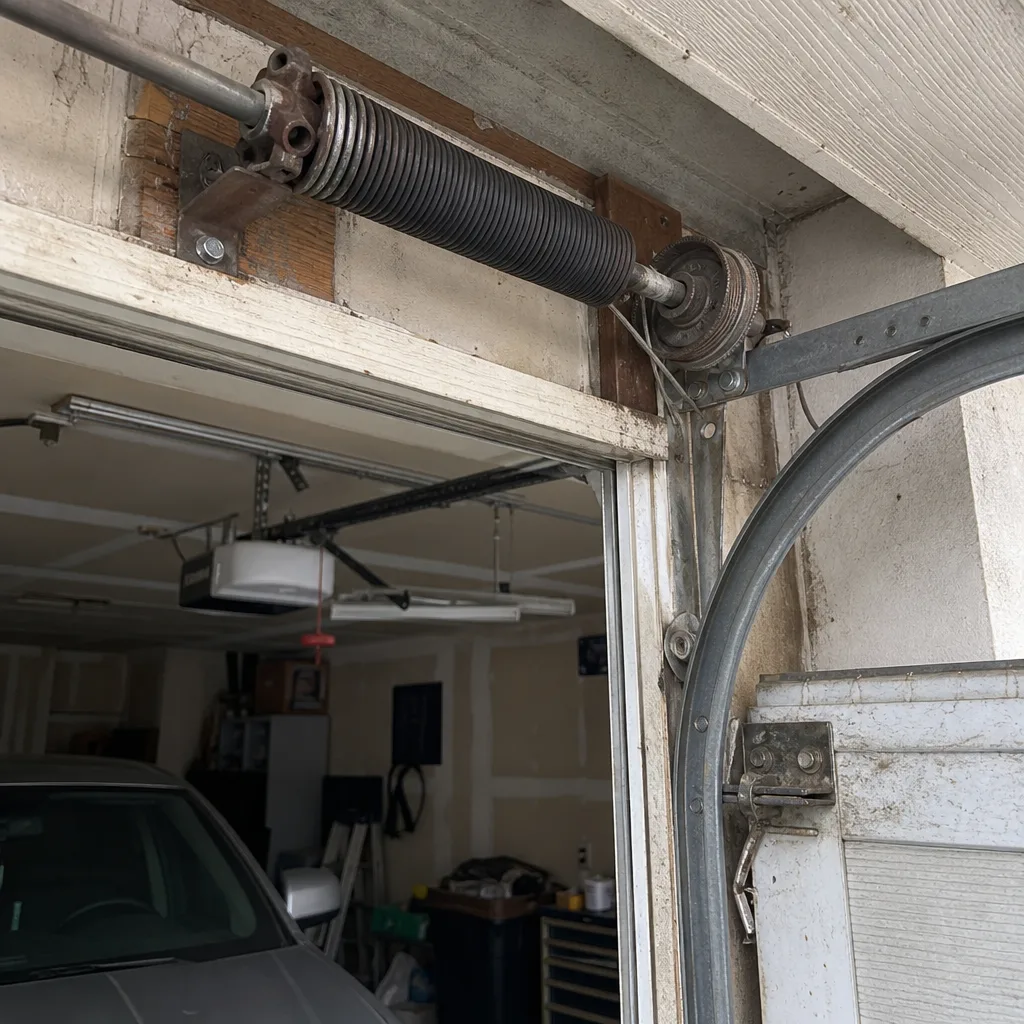 Before
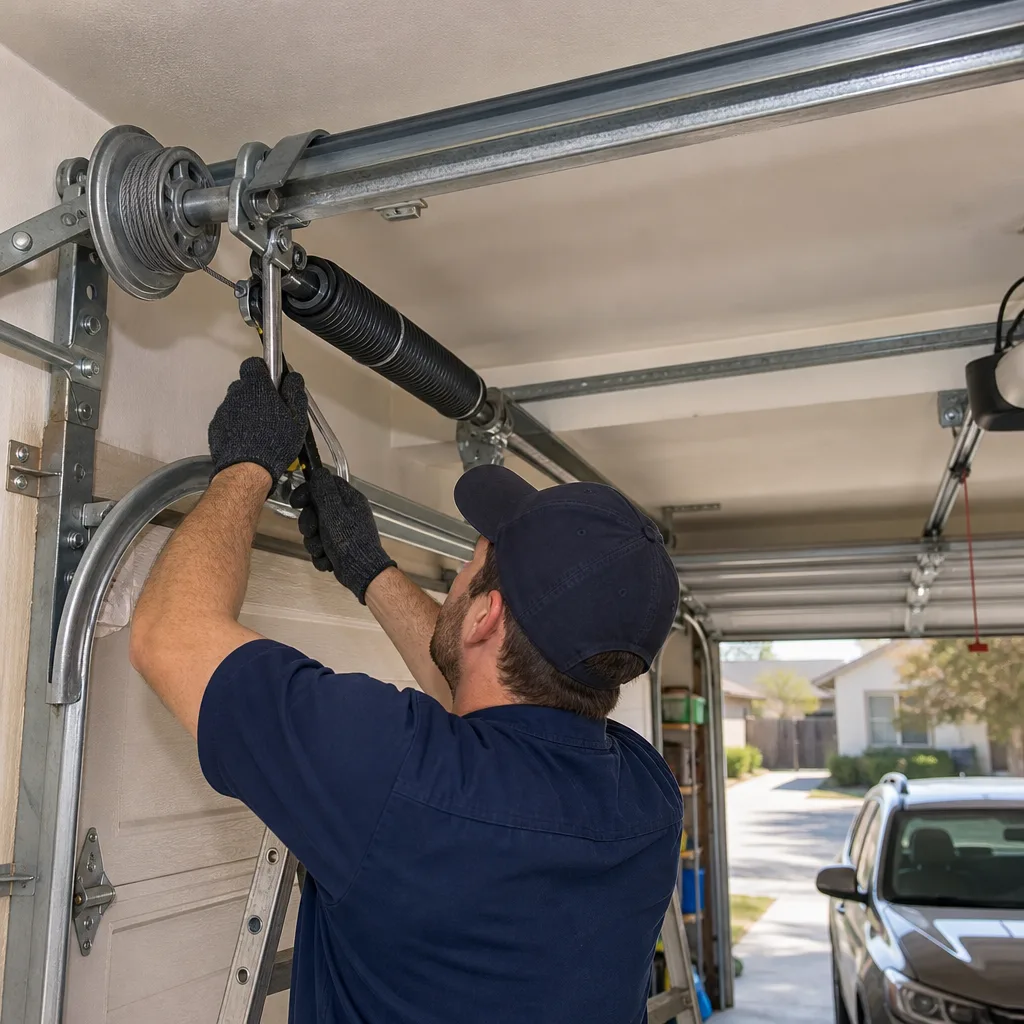 After
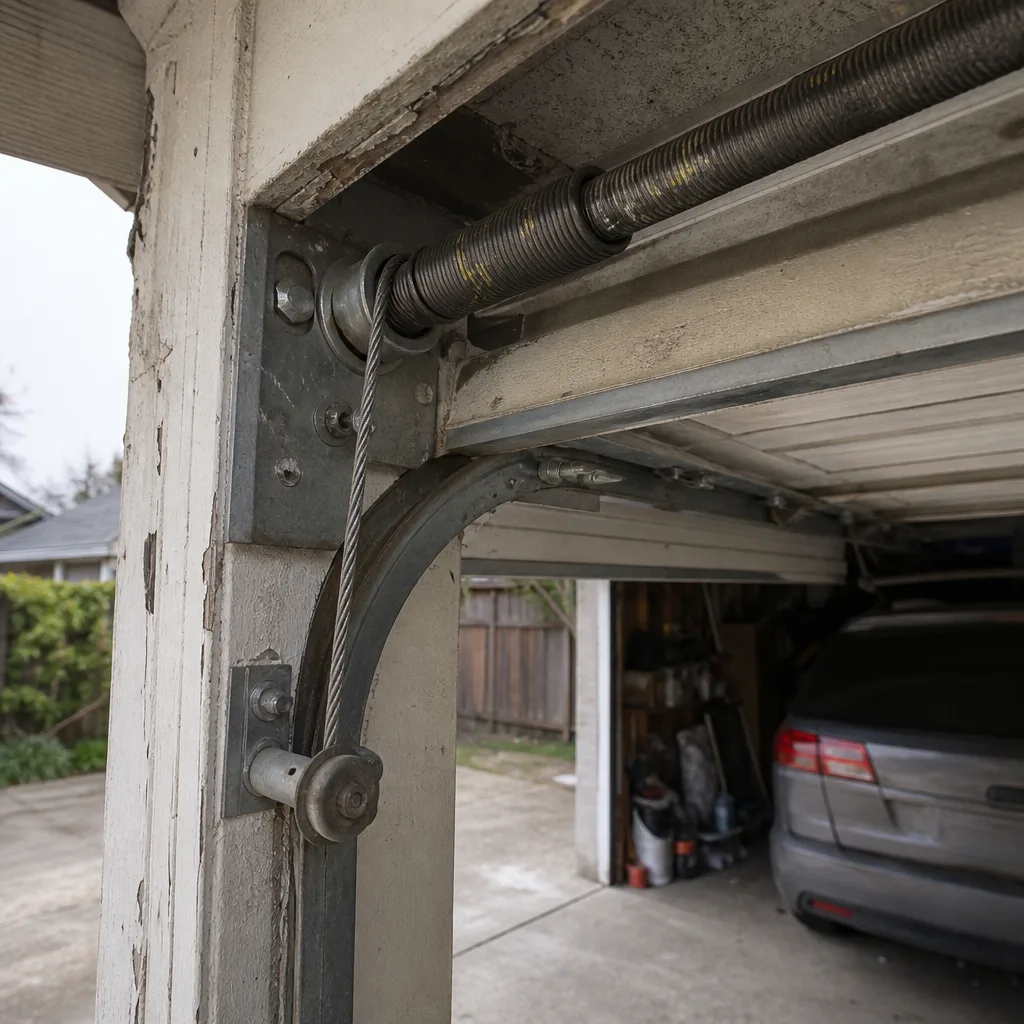 Before
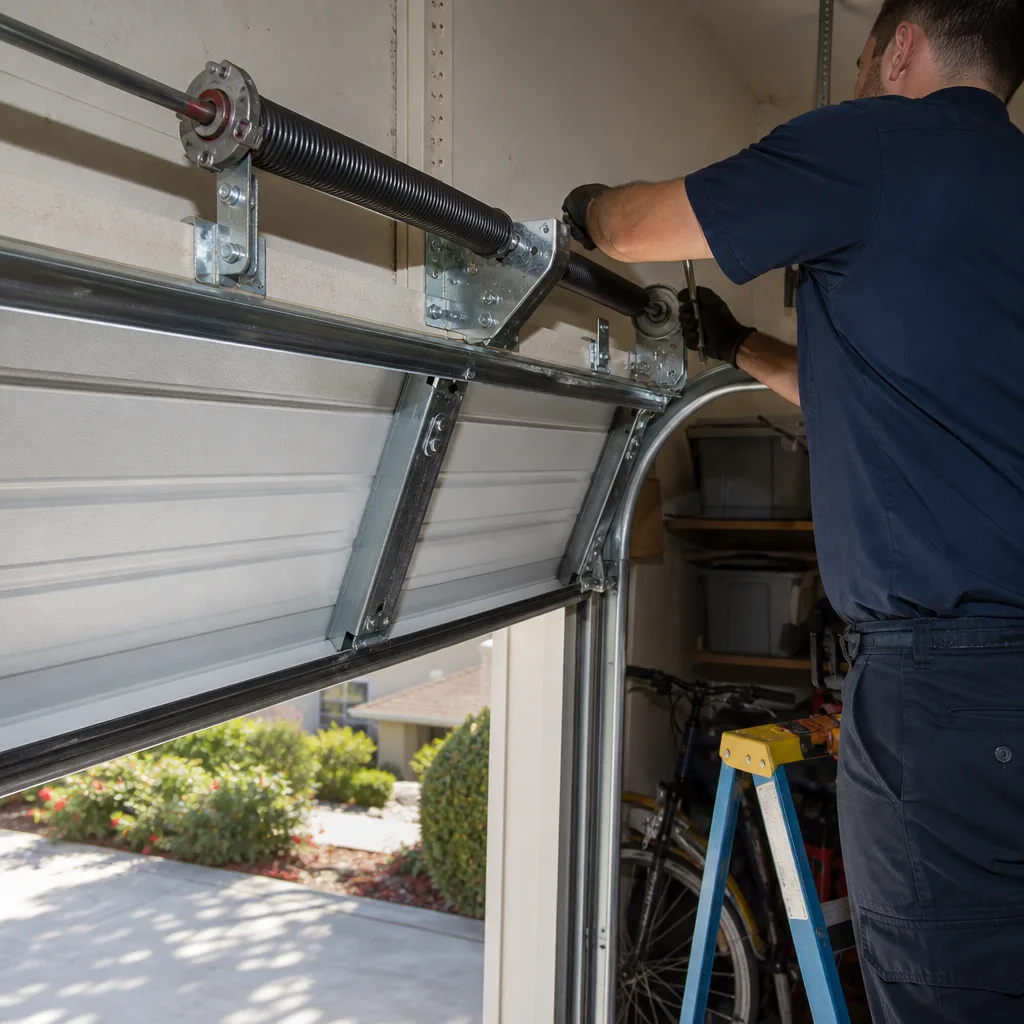 After
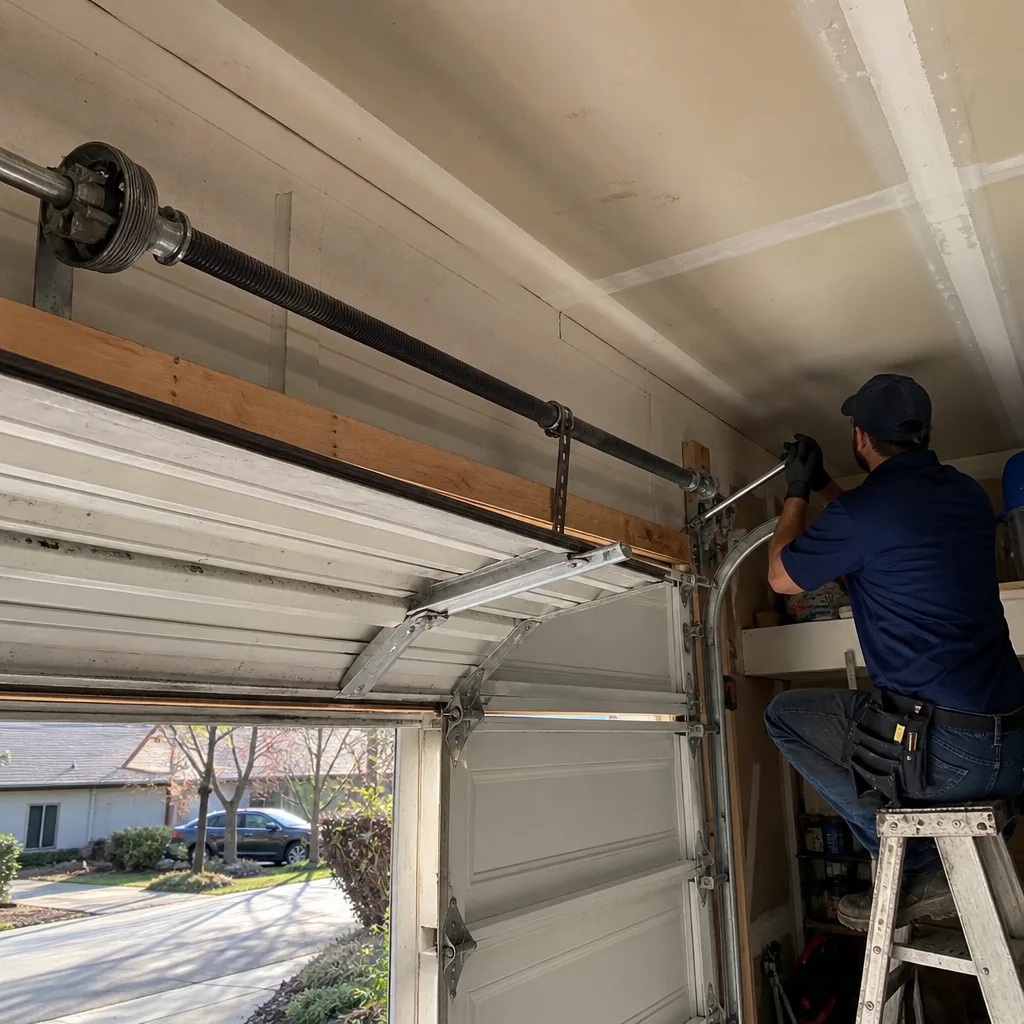 Before
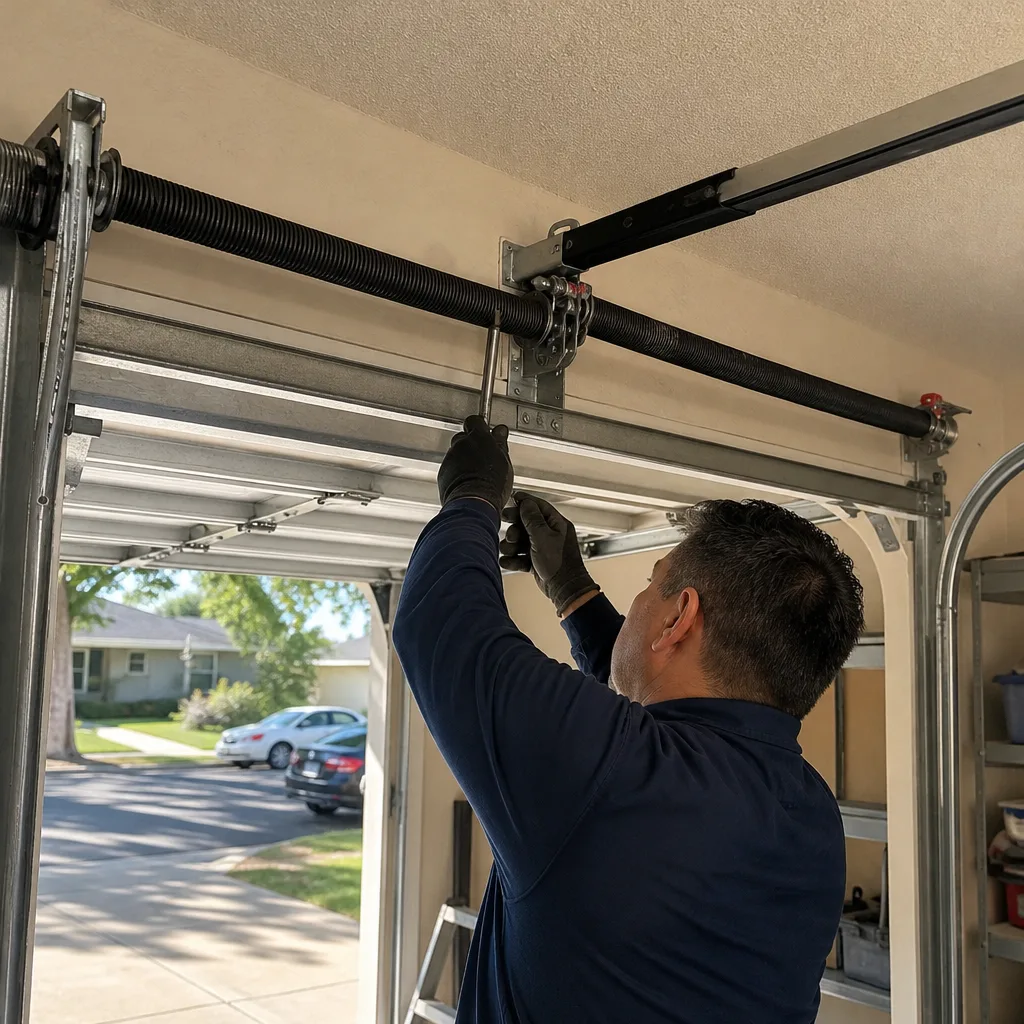 After